
.jpg)
For centuries, a philosophical and scientific divide has separated Eastern and Western medicine. Western medicine has traditionally relied on the tangible—what can be dissected, observed under a microscope, and mapped in discrete systems. Eastern medicine, particularly acupuncture, has relied on the energetic and interconnected—meridians and Qi (chi) that flow through the body, invisible to the naked eye.
But what if the invisible network of Eastern medicine has been hiding in plain sight within Western anatomy all along?
A fascinating new interactive article published by The New York Times dives deep into the interstitium, a body-wide network of fluid-filled spaces within our connective tissue. Once dismissed as mere "packing material" between organs, the interstitium is now being recognized as a dynamic, highly conductive anatomical structure. More importantly, it is providing a compelling biological explanation for how acupuncture actually works.
The Science of the Interstitium
Historically, standard tissue preparation for microscopes involved draining fluids, which caused the interstitium to collapse. It wasn't until the advent of in-vivo laser endomicroscopy that scientists could observe this fluid-filled network in living tissue.
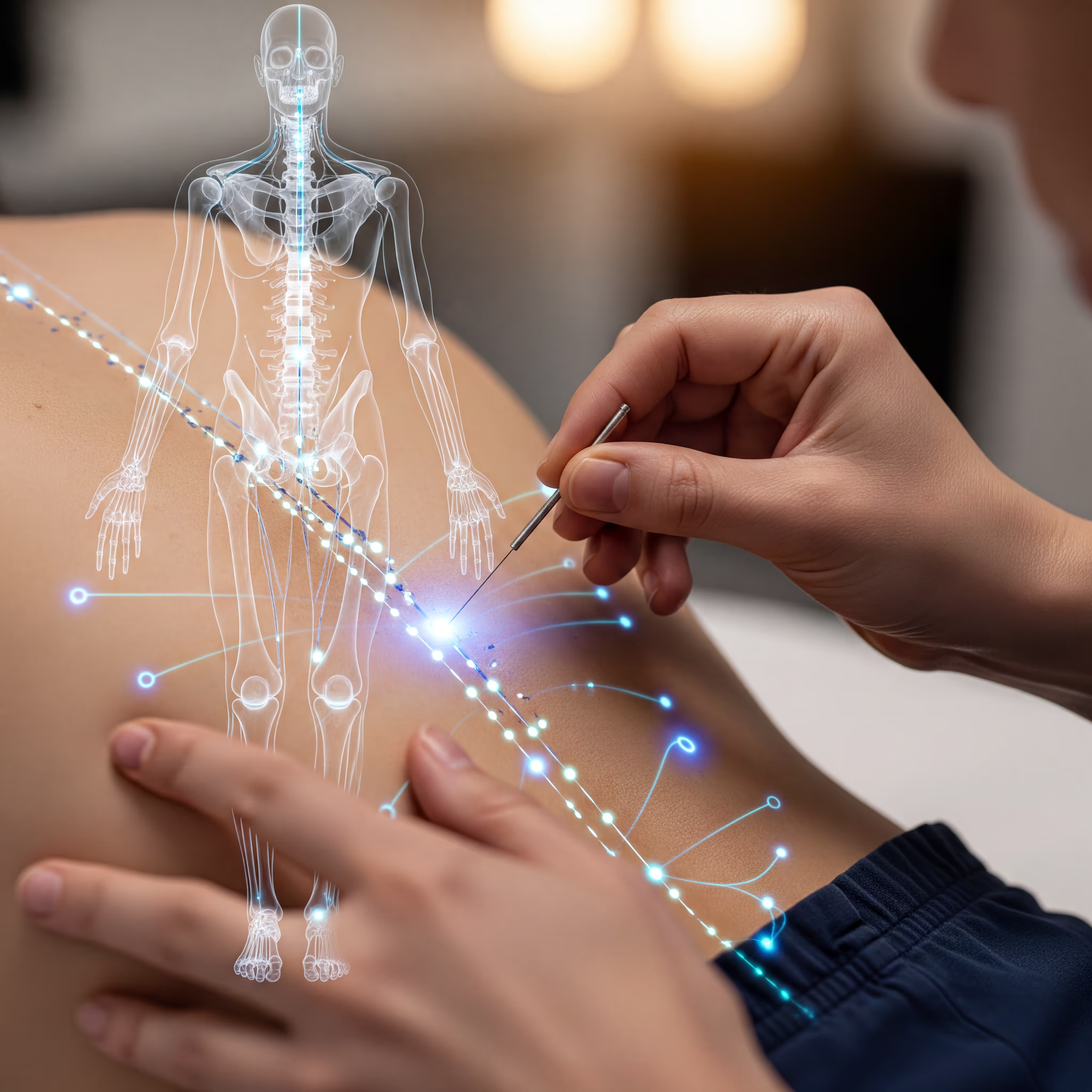
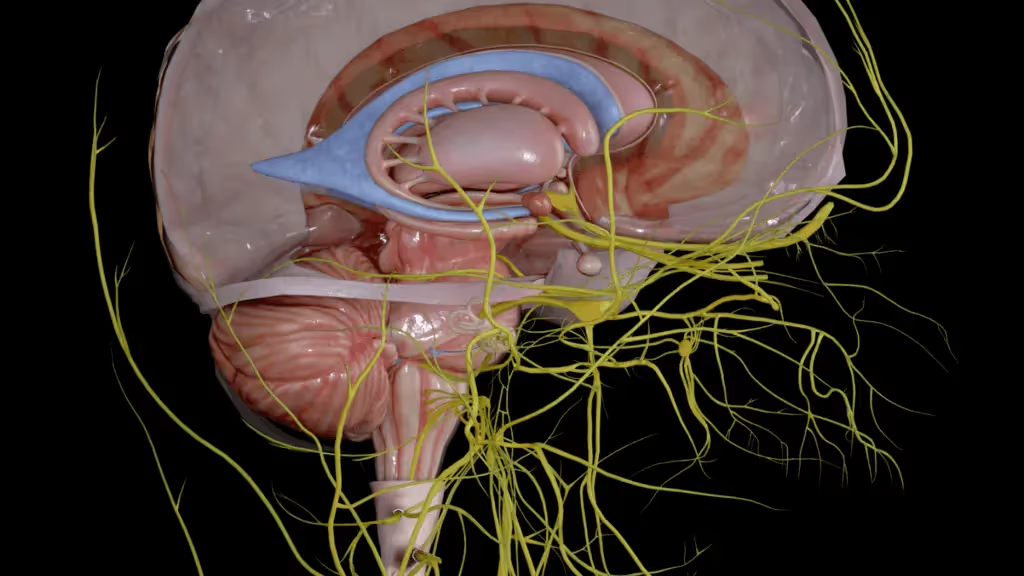
The New York Times piece beautifully illustrates how this continuous network of collagen and elastin bundles acts like a bodily highway. Because it is filled with moving fluid and is highly electrically conductive, it perfectly mirrors the ancient maps of acupuncture meridians. When an acupuncture needle is inserted and manipulated, it creates a mechanical pull on the collagen fibers of the interstitium. This cellular signaling travels through the fascial network, potentially explaining the systemic pain relief and physiological changes long documented by acupuncturists.
Bridging the Gap in Medical Education
This intersection of Eastern and Western medicine represents a paradigm shift. We are moving away from viewing the body as a collection of isolated parts and toward understanding it as a holistic, interconnected web.
However, this presents a unique challenge for medical education: How do you teach an anatomical structure that is defined by its fluidity and interconnectedness? Traditional 2D textbooks and static cadavers—which inherently lack the living fluid dynamics of the interstitium—fall short.
Visualizing the Invisible with AcuMap
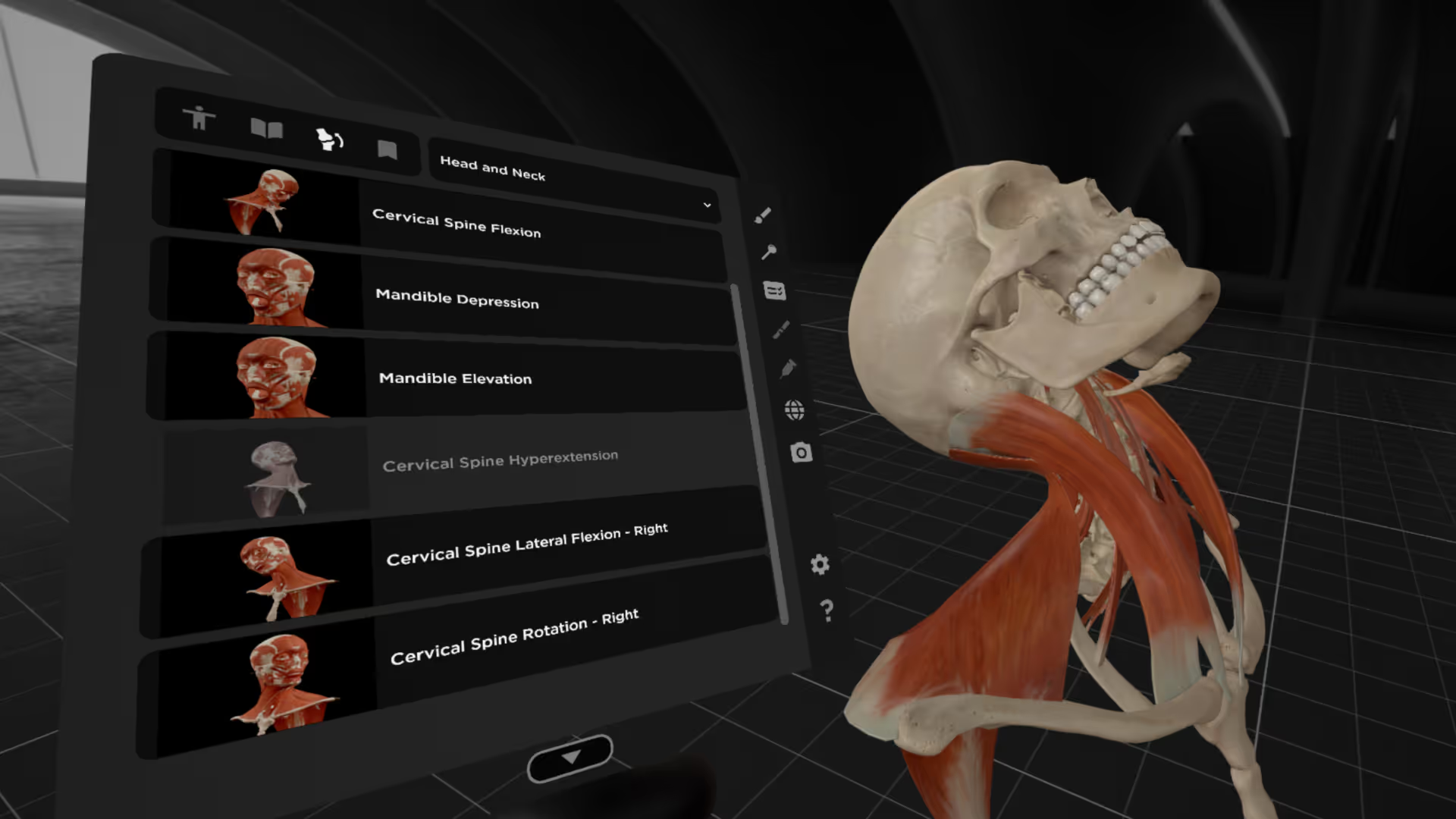
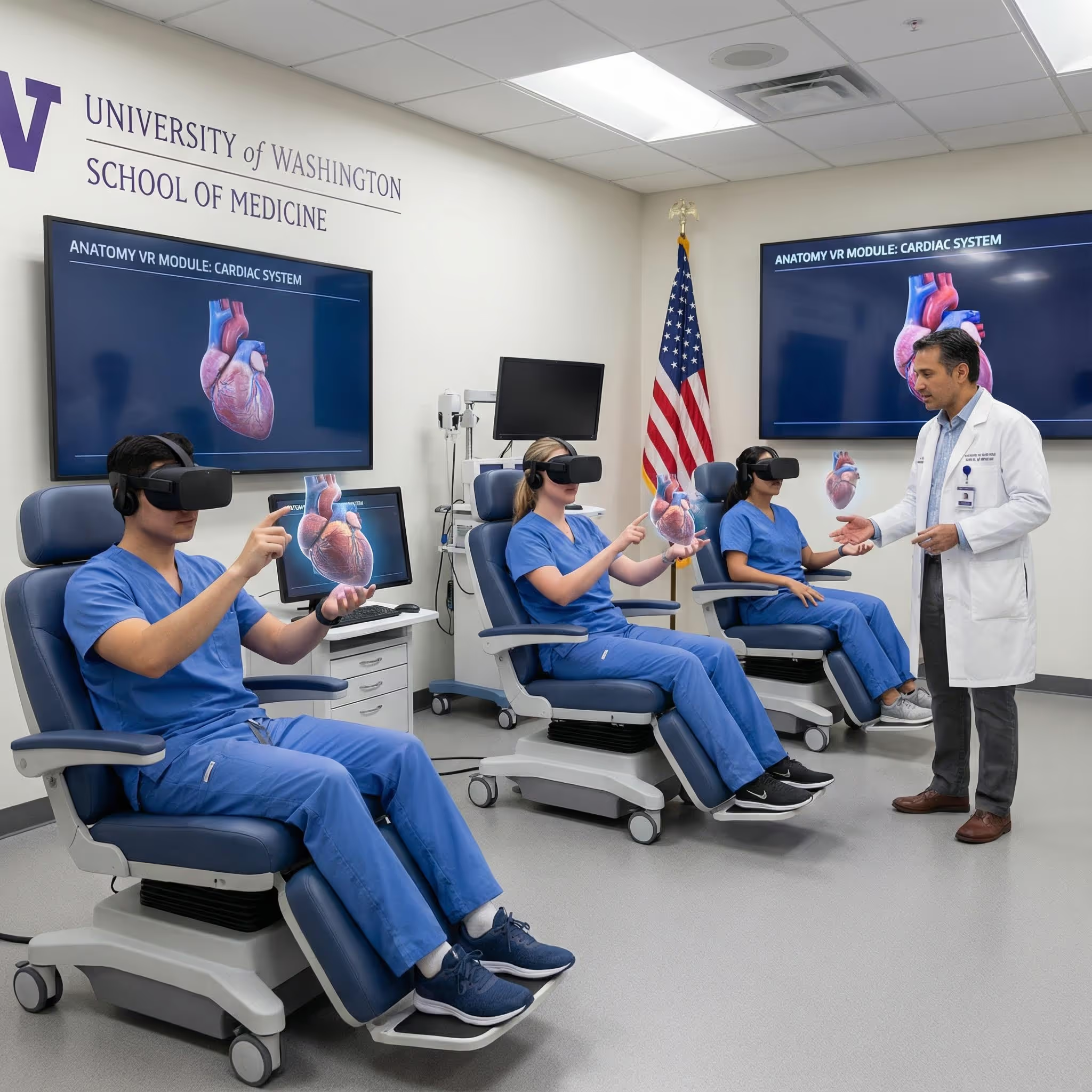
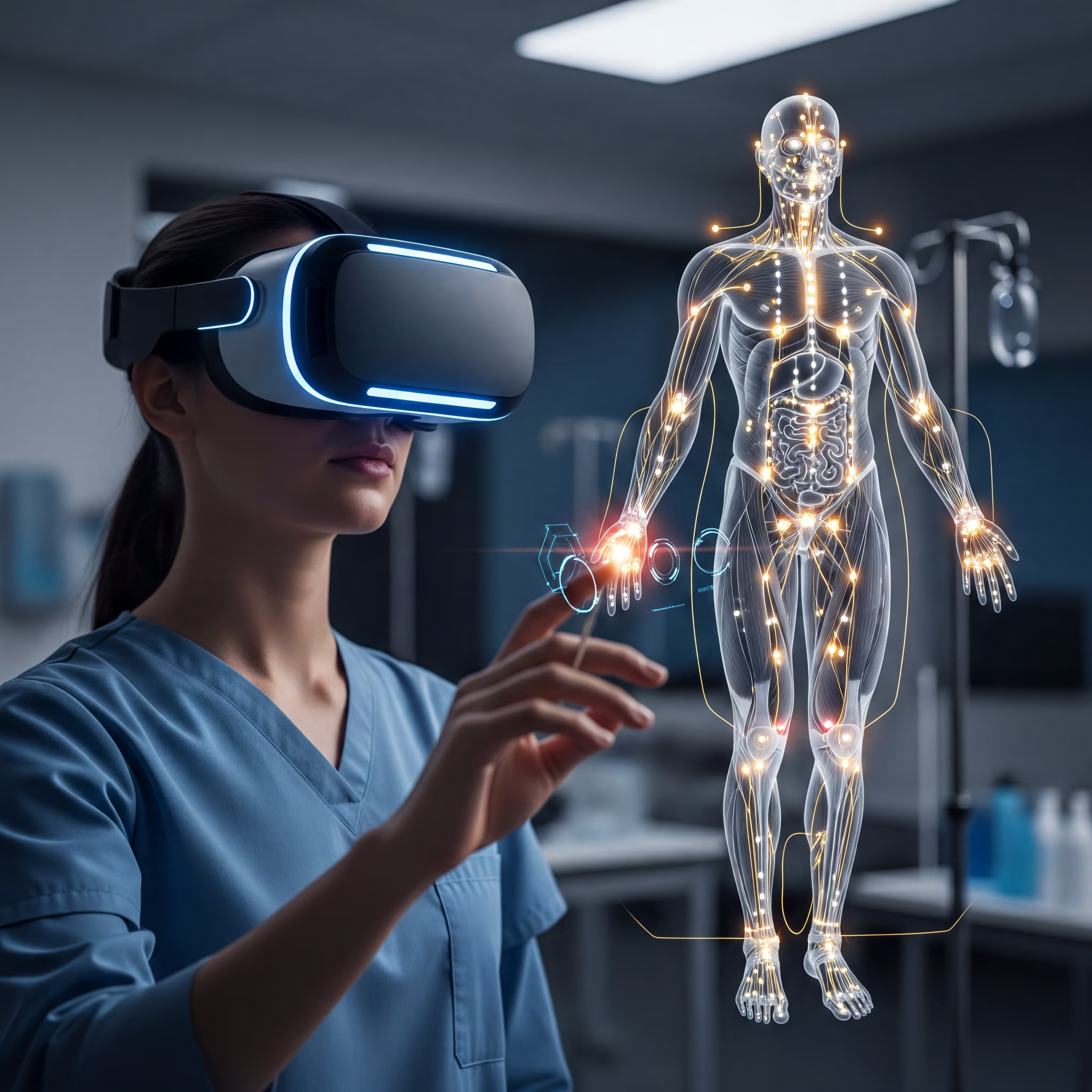
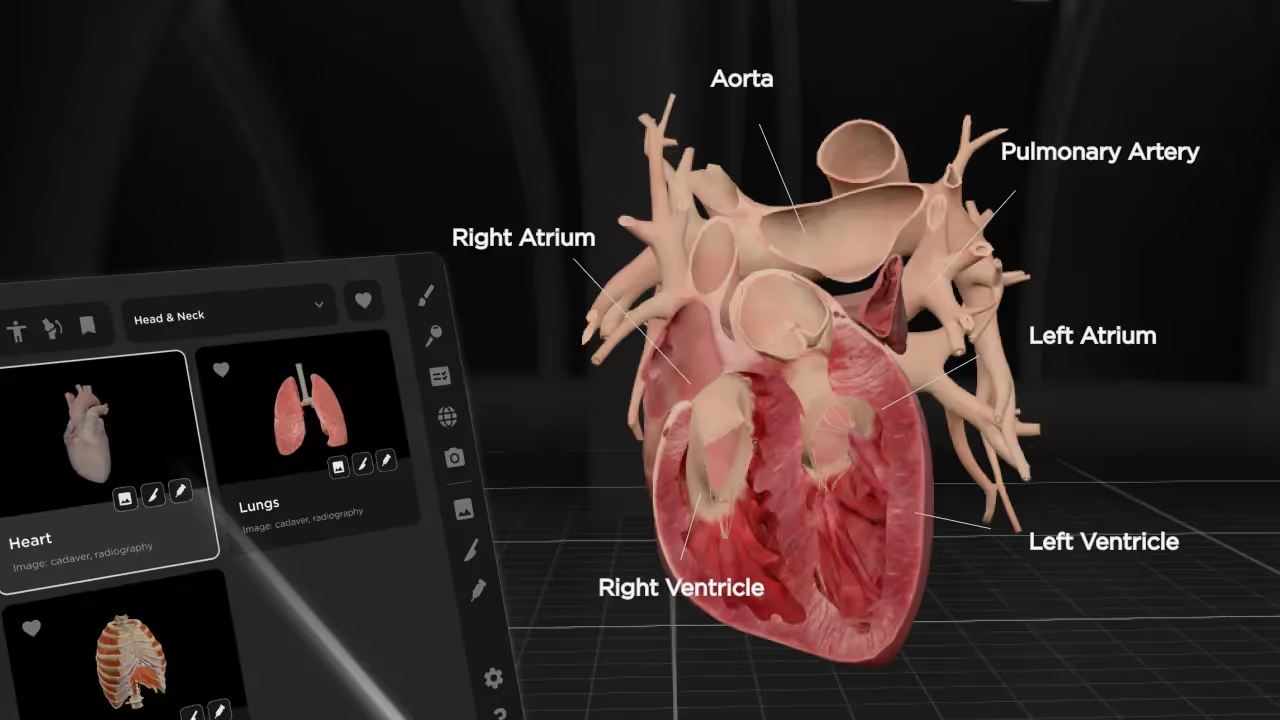
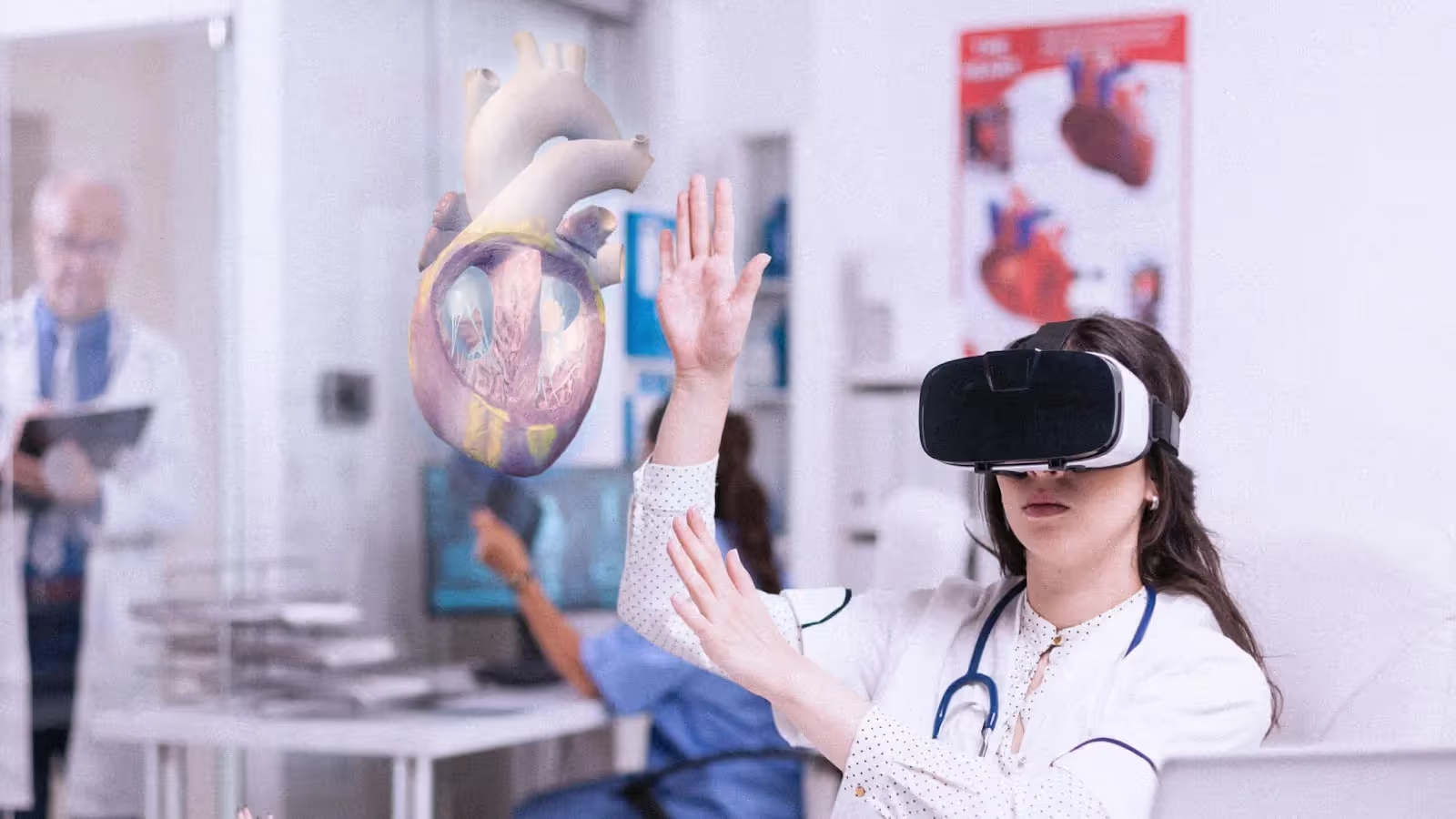
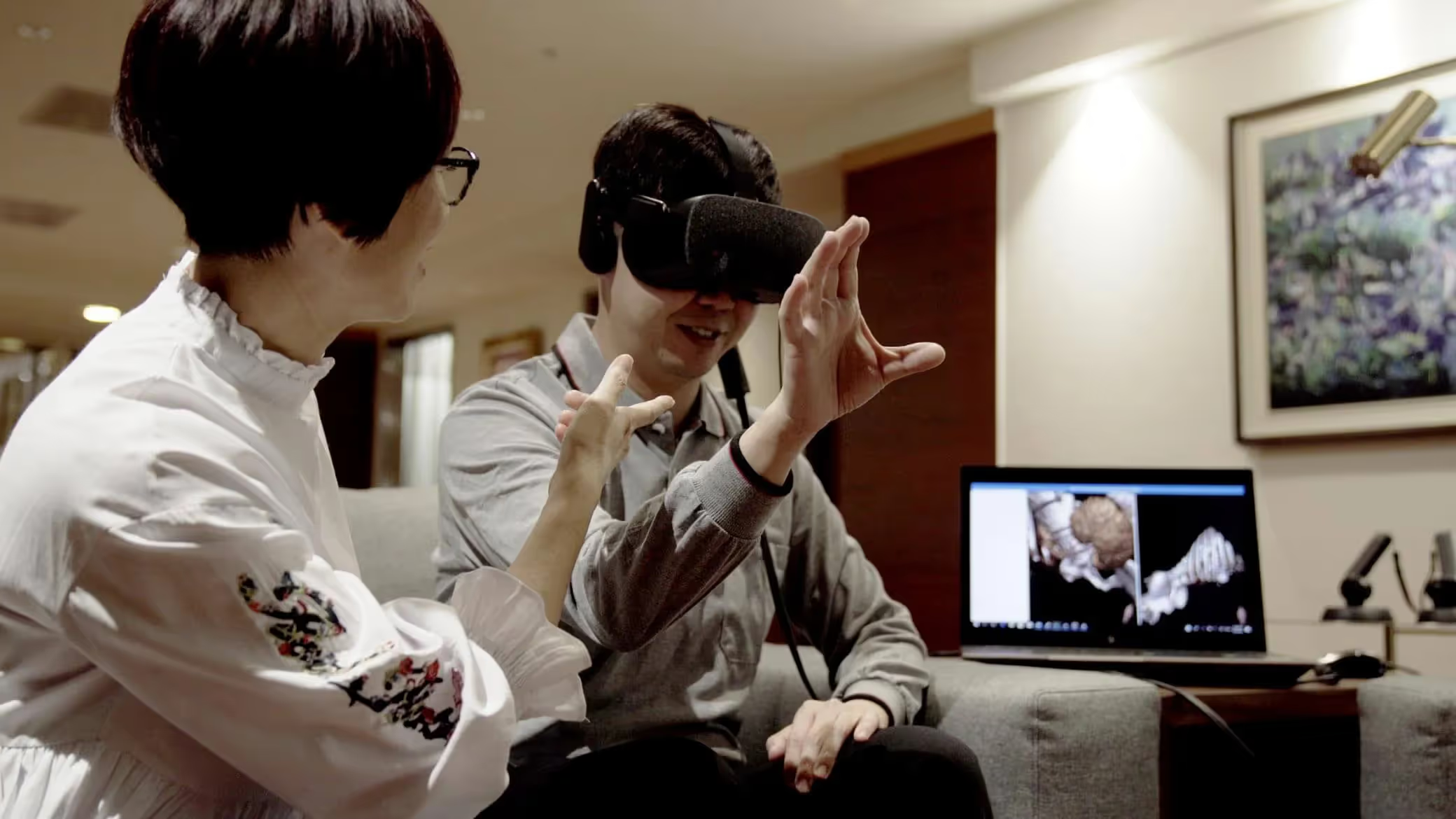
This is where advanced medical simulation and mixed reality (MR) become not just helpful, but essential. At MAI, we have anticipated the need for dynamic, spatial learning in medical education.
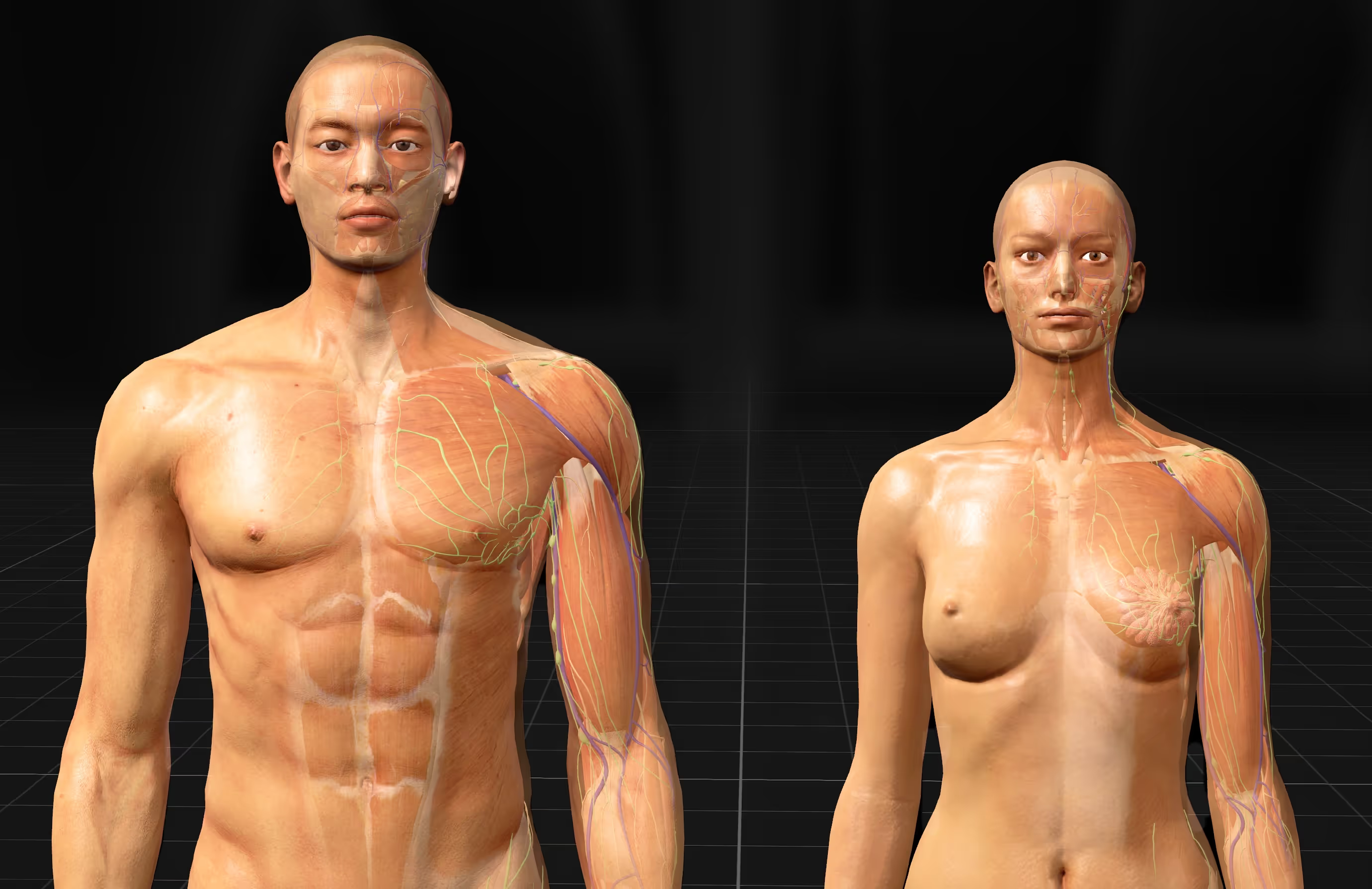
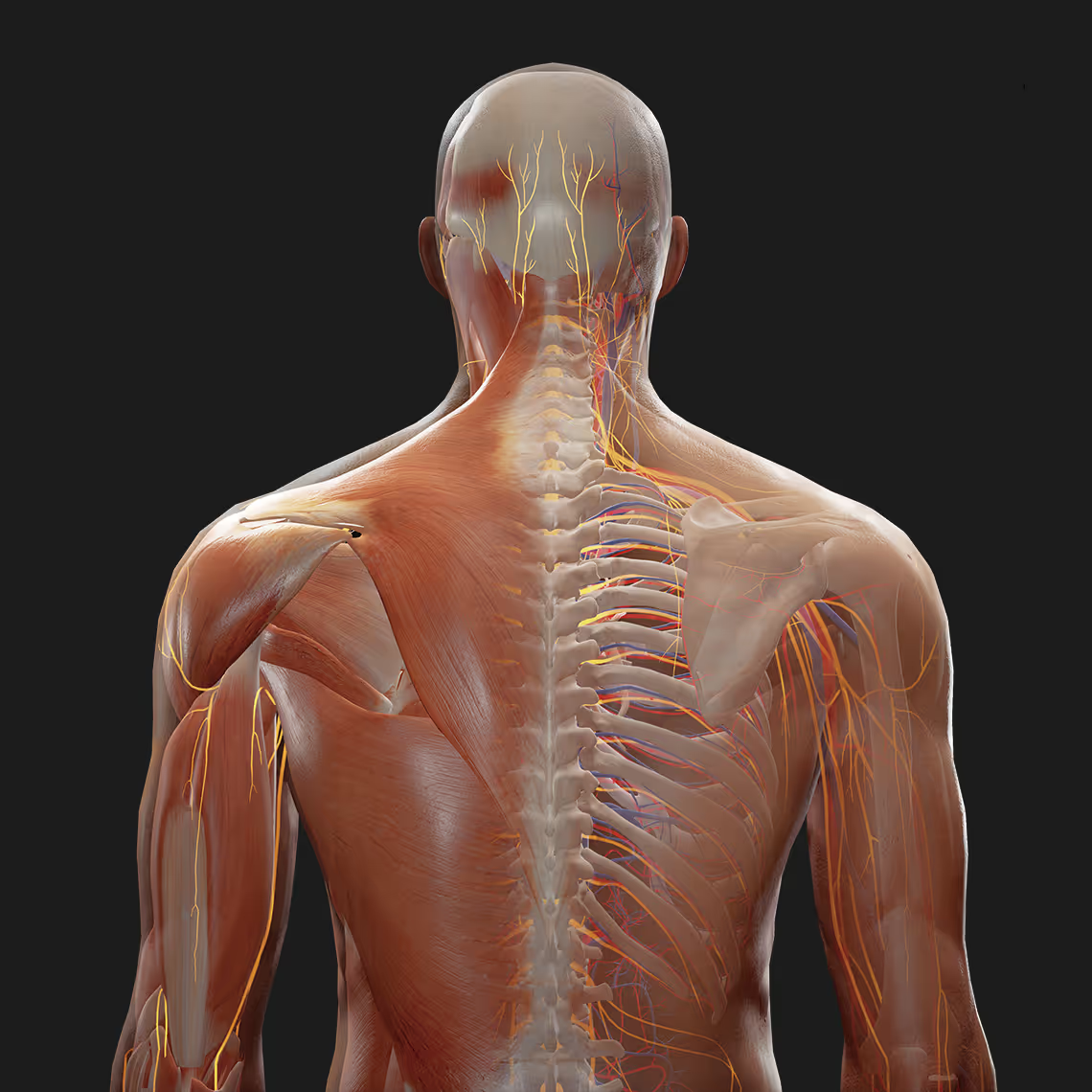
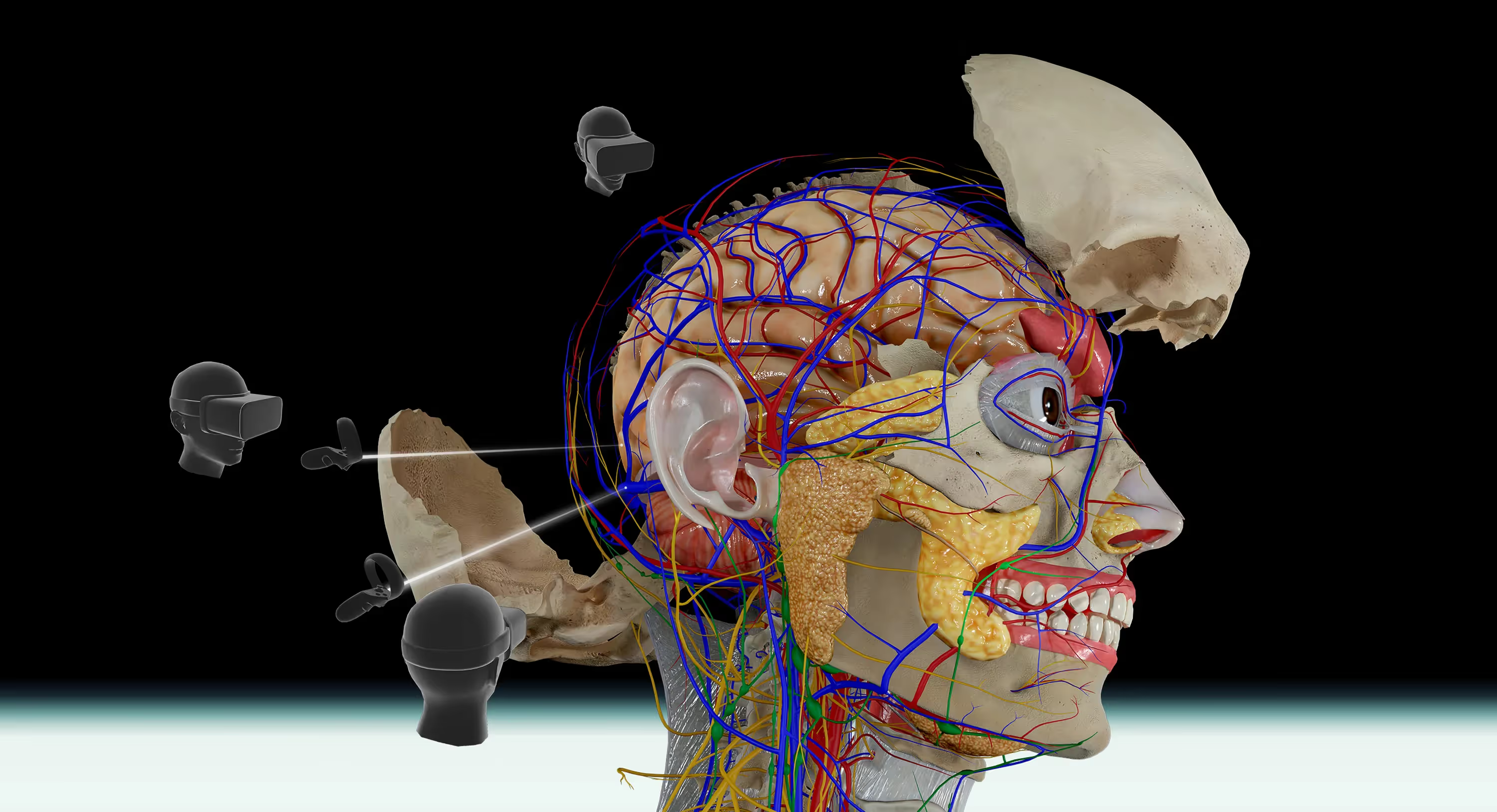
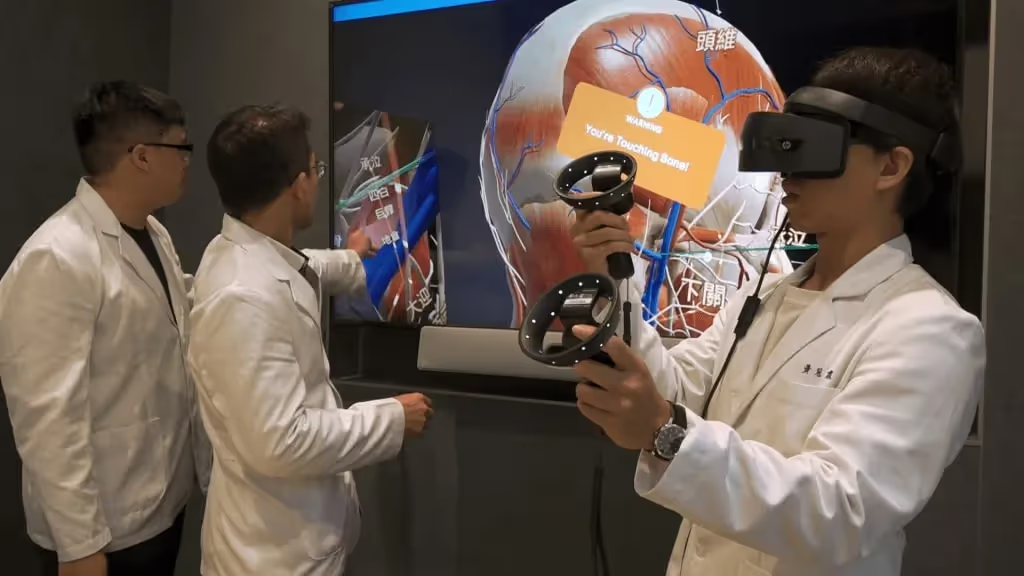
For practitioners of Traditional Chinese Medicine (TCM) and integrative medicine, AcuMap is a game-changer. By overlaying traditional meridian lines and acupoints onto a medically accurate 3D anatomical model, AcuMap visually bridges the gap discussed in the NYT article. Students can see exactly which fascial planes, nerves, and interstitial networks a needle interacts with at any given acupoint.
The Future of Integrative Medicine
The validation of acupuncture through the discovery of the interstitium is a testament to the fact that Eastern and Western medicine are not mutually exclusive; they are simply different lenses through which to view the same miraculous machine.
As our understanding of human anatomy evolves, our educational tools must evolve with it. By leveraging immersive VR/MR technology like BodyMap and AcuMap, we can equip the next generation of healthcare professionals to see the body not just as parts, but as a unified, living whole.
Begin your VR anatomy journey today, sign up for a 7-day free trial.
Clinical Validation & Research
Learn how to navigate the 3D model and utilize the tools to master human anatomy—all in one place.
.jpeg)
.avif)

.avif)
.avif)



The Benefits of Acupuncture for Pain Relief

The Importance of Regular Exercise for Mental Health
The Benefits of Meditation for Stress Reduction
The Importance of a Balanced Diet for Overall Health
The Benefits of Yoga for Mind and Body
The Benefits of Meditation for Stress Reduction