
Overview
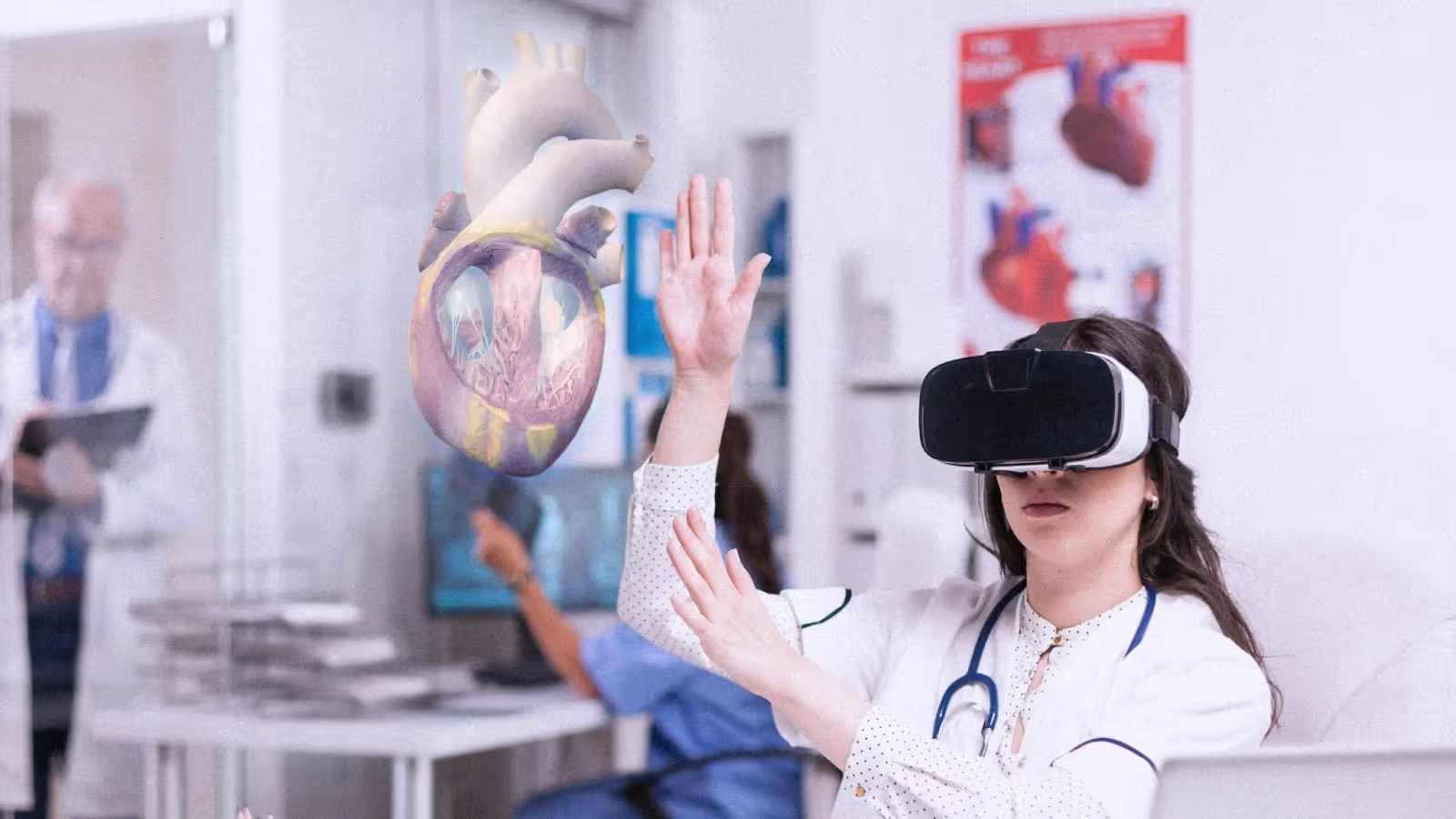
Virtual reality is transforming healthcare delivery by enabling remote consult...
This article examines how VR in healthcare applications help healthcare professionals improve patient outcomes—from helping pregnant women suffer less in delivering babies, children with cerebral palsy (CP) improve their mobility to patients understand their health conditions at a deeper level.
Benefits of VR for Patient Treatment
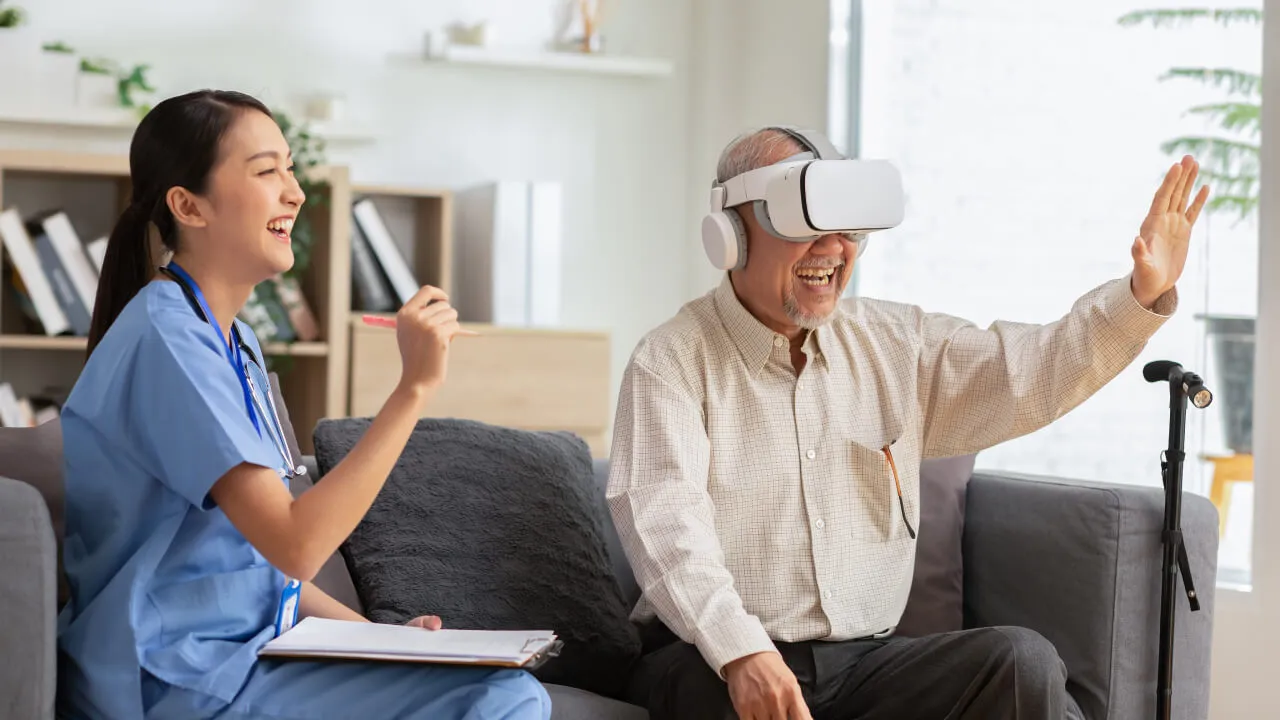
VR technologies help patients relax and reduce anxiety before or during surgeries. At St. George’s Hospital, London, 100% of 27 participants reported improved hospital experience with VR headsets; 94% felt more relaxed after using immersive nature scenes.
VR headsets worn by patients at St. George’s Hospital in London have helped th...
VR technology can also help women give birth with less pain. Erin Martucci was one of the first women to experience virtual reality during childbirth back in 2016, as The Medical Futurist pointed out. The calming, sunny beach with soothing audio has helped her breathe through the most difficult parts of the labor.(The Medical Futurist, 2016)
“I was so engulfed in what was going on in the application that I didn’t know two hours had gone by,” said Martucci.
Virtual reality is effective for treating children’s mental disorders and mobility limitations.
In a National Library of Medicine study, 12 children with cerebral palsy (CP) completed 12 VR the...
During the sessions, the children tried to play sports games, such as basketball, swimming, and tennis, by moving their hands and feet to move better. The results showed those who had received VR physical therapy have better improved their muscle movements, control, and balance.
Virtual reality cannot erase pain yet. However, it distracts patients and reduces their anxiety during treatment. This includes helping pregnant women feel less fearful and anxious during childbirth.
Virtual Reality Health Care for Patient Education
Healthcare VR not only treats patients but also educates patients.
For example, this technology is used to reduce blood pressure. In 2017, Holman United Methodist Church partnered with Cedars-Sinai to launch a preventive health program aimed at reducing high blood pressure in the African American community in Los Angeles. Members of the church watched VR videos on their smartphones to learn about the sodium contents of each food displayed.(Preventive Medicine Reports, 2017)
Watching a deteriorating heart trying to pump blood to the limbs and other areas of the body made a great impact on those who are diagnosed with high blood pressure. This then in turn convinced these individuals to reconsider the purpose of food, and thus increases the chance of lowering their blood pressure.
VR health education examples include:
- In 2017, Holman United Methodist Church and Ceda...
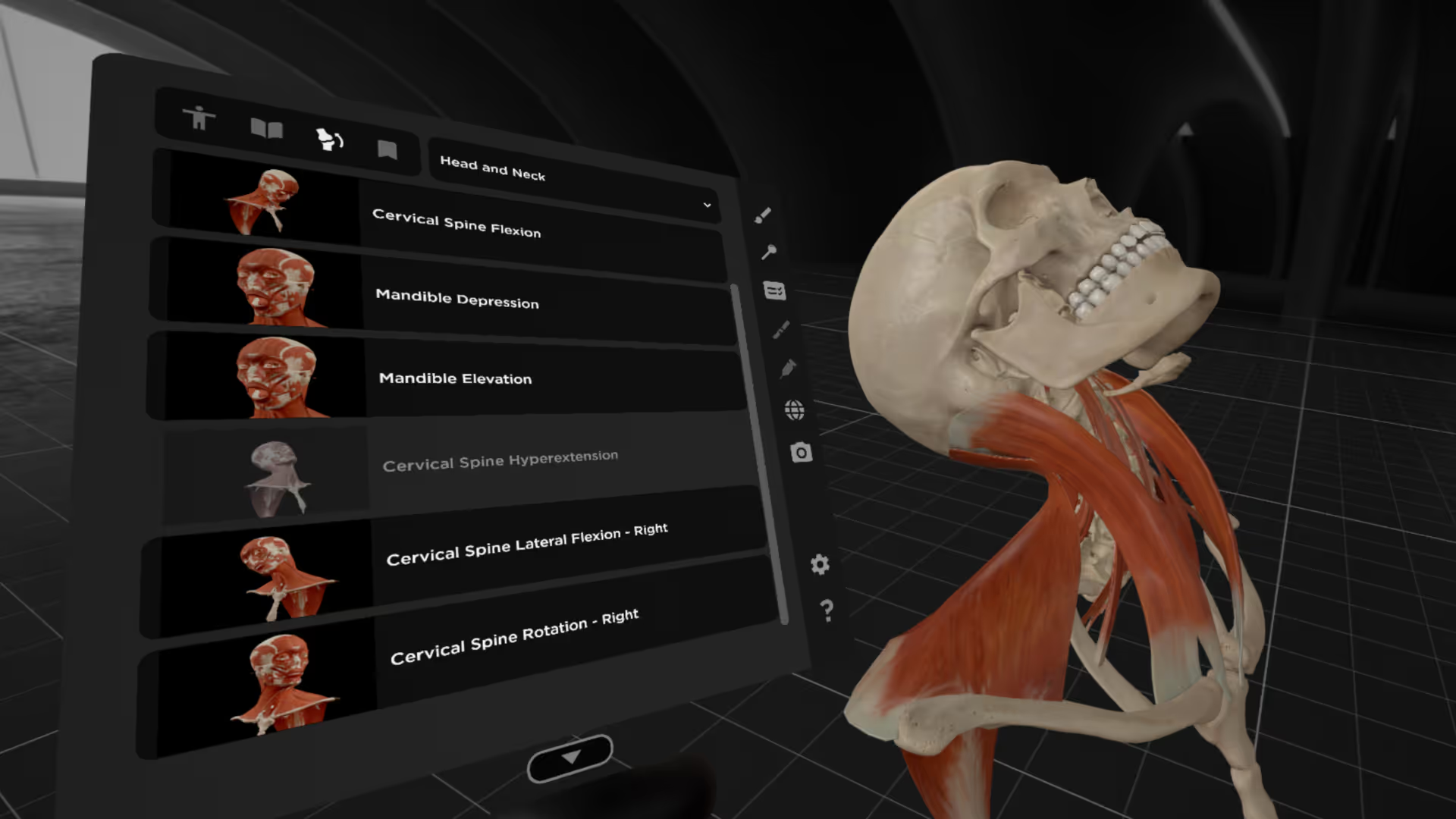
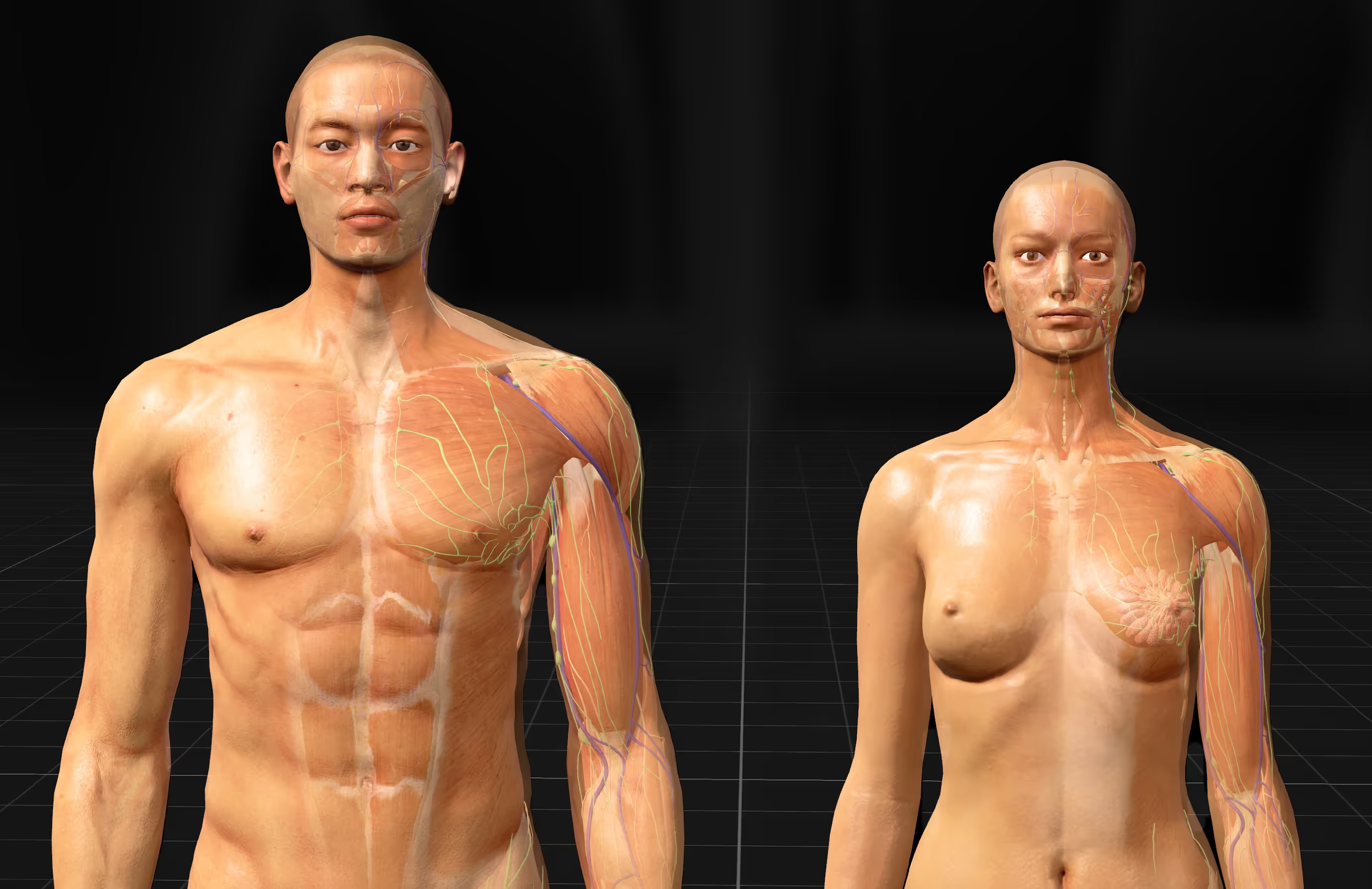
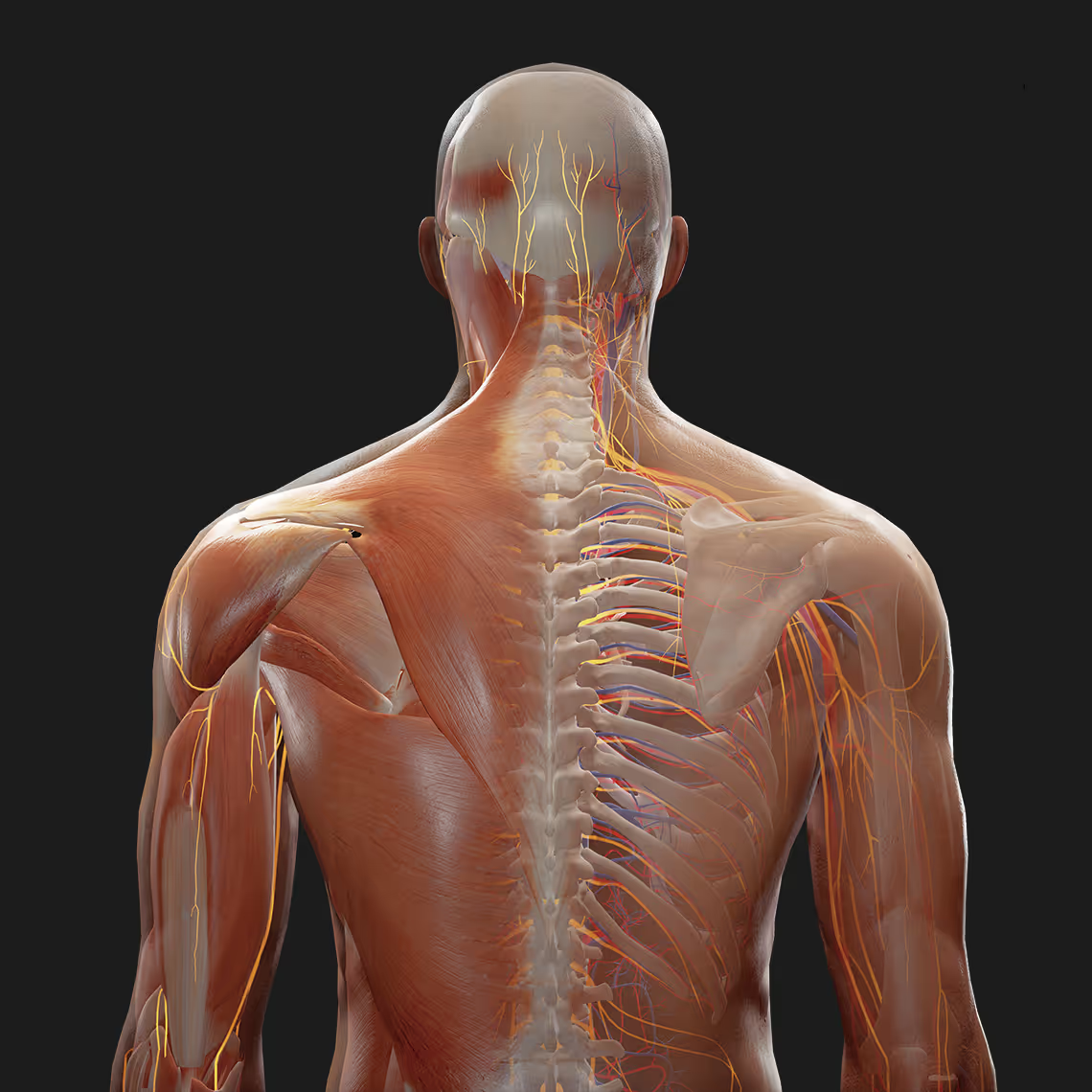
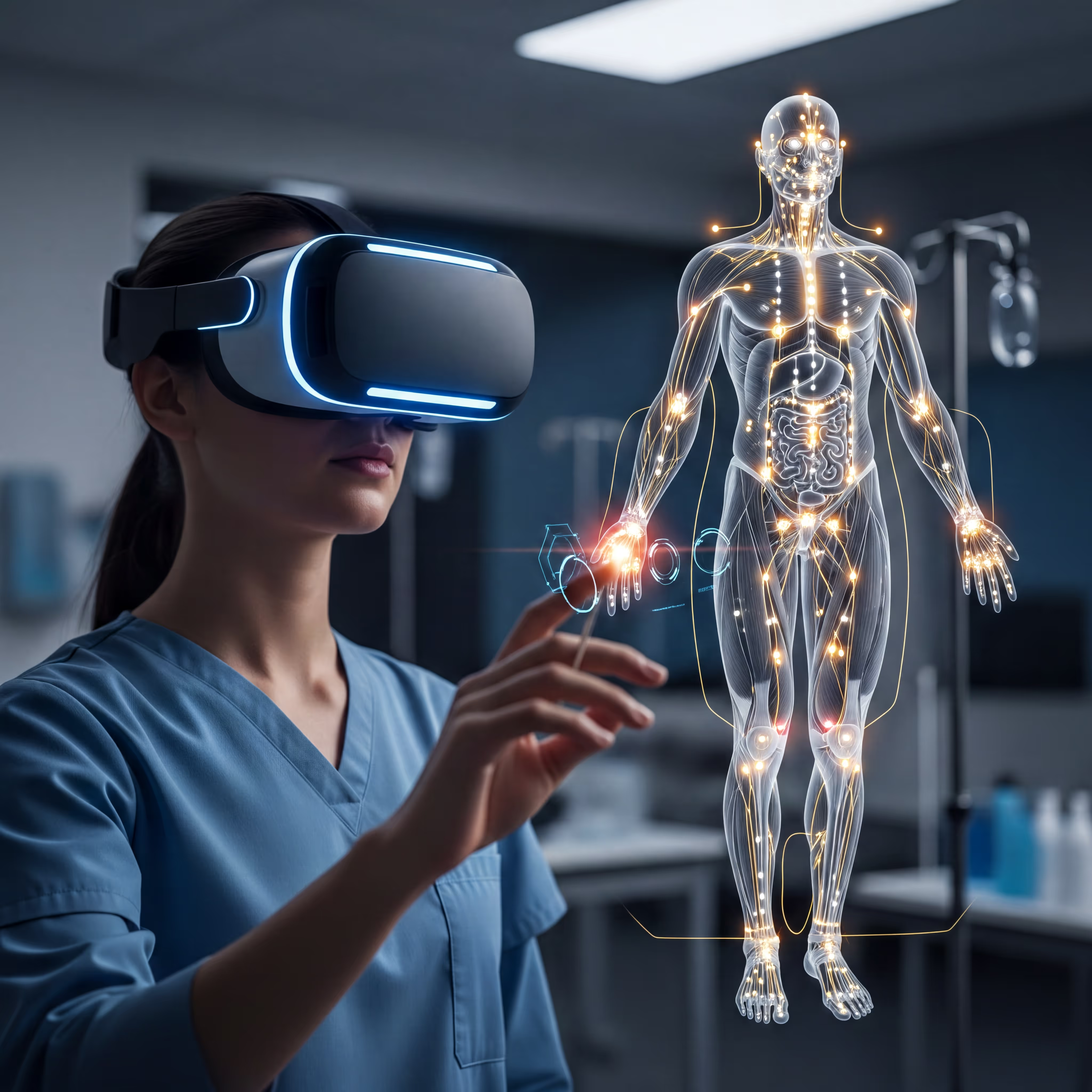
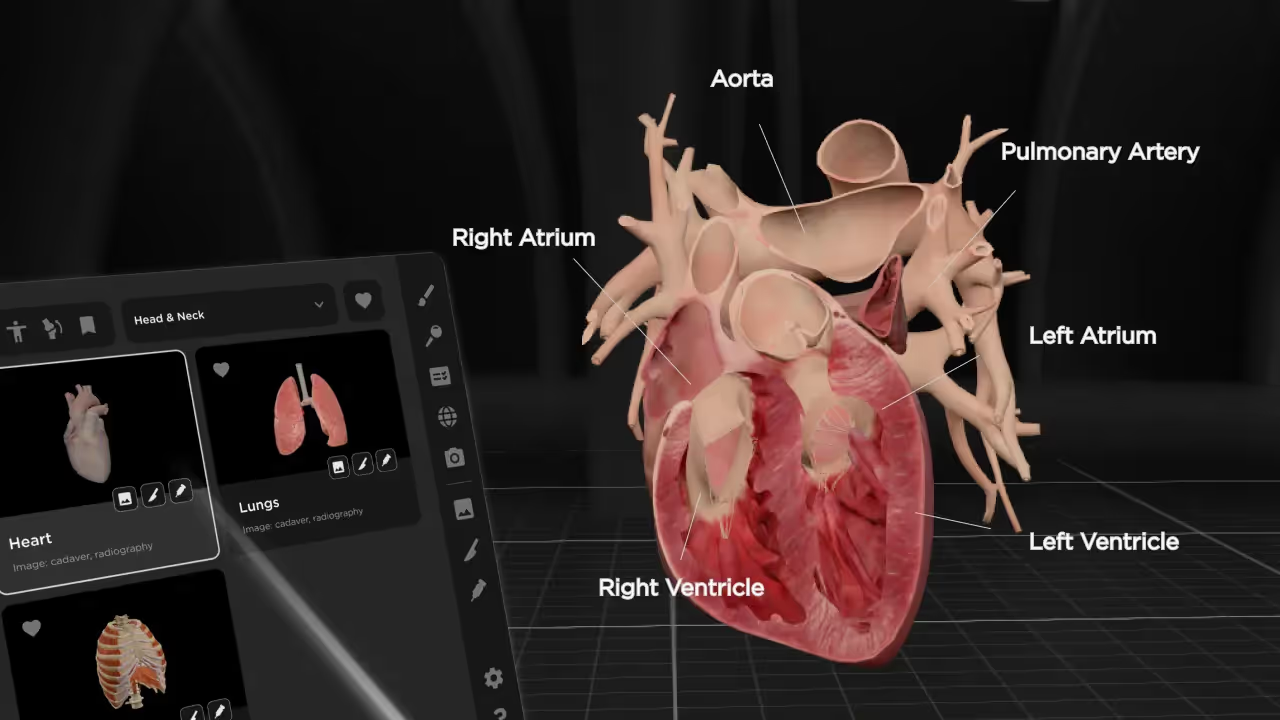
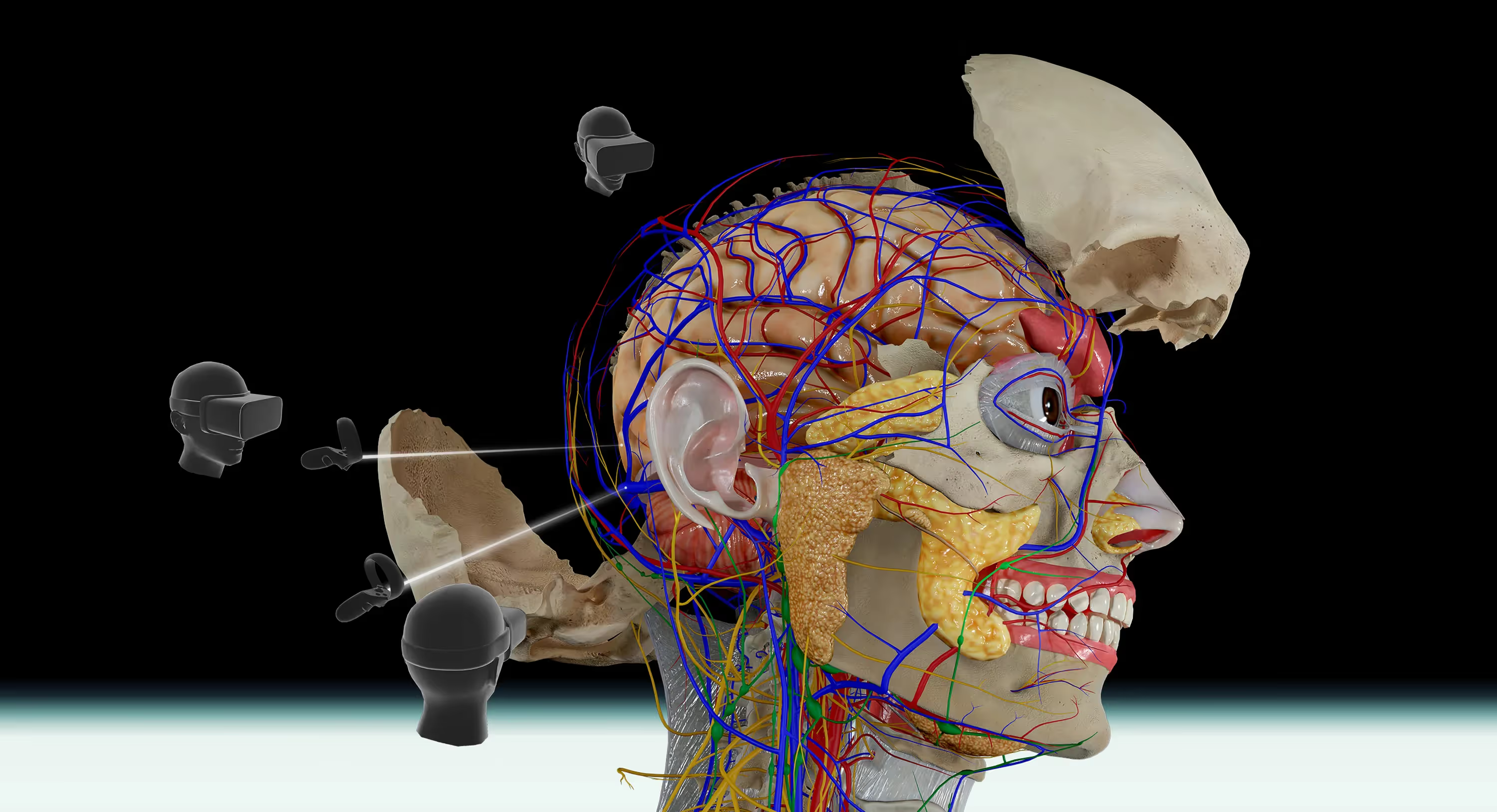
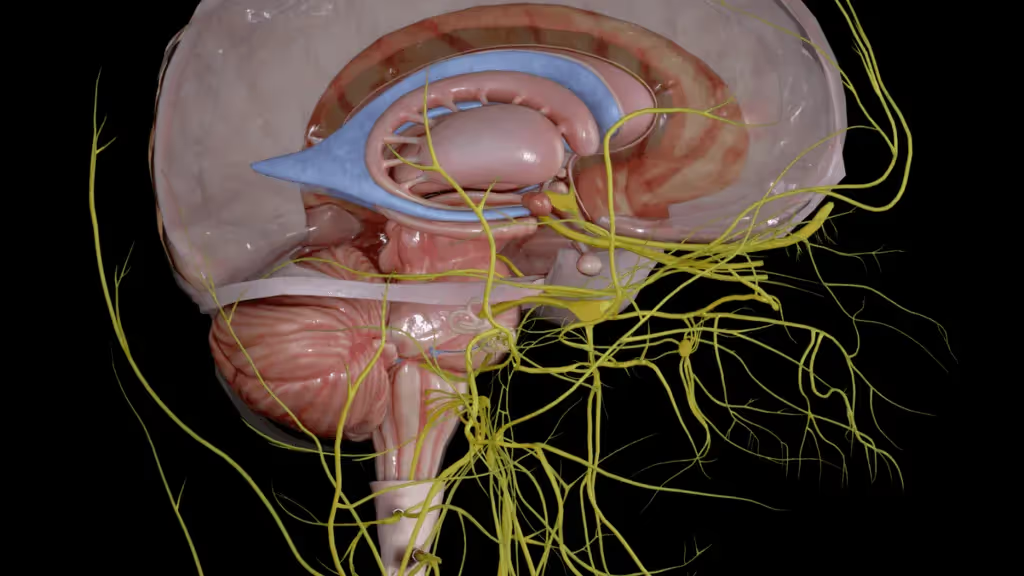
VR technologies can take you inside and show you a tour of your body. They allow you to access and view different parts of the body that were once impossible to reach.
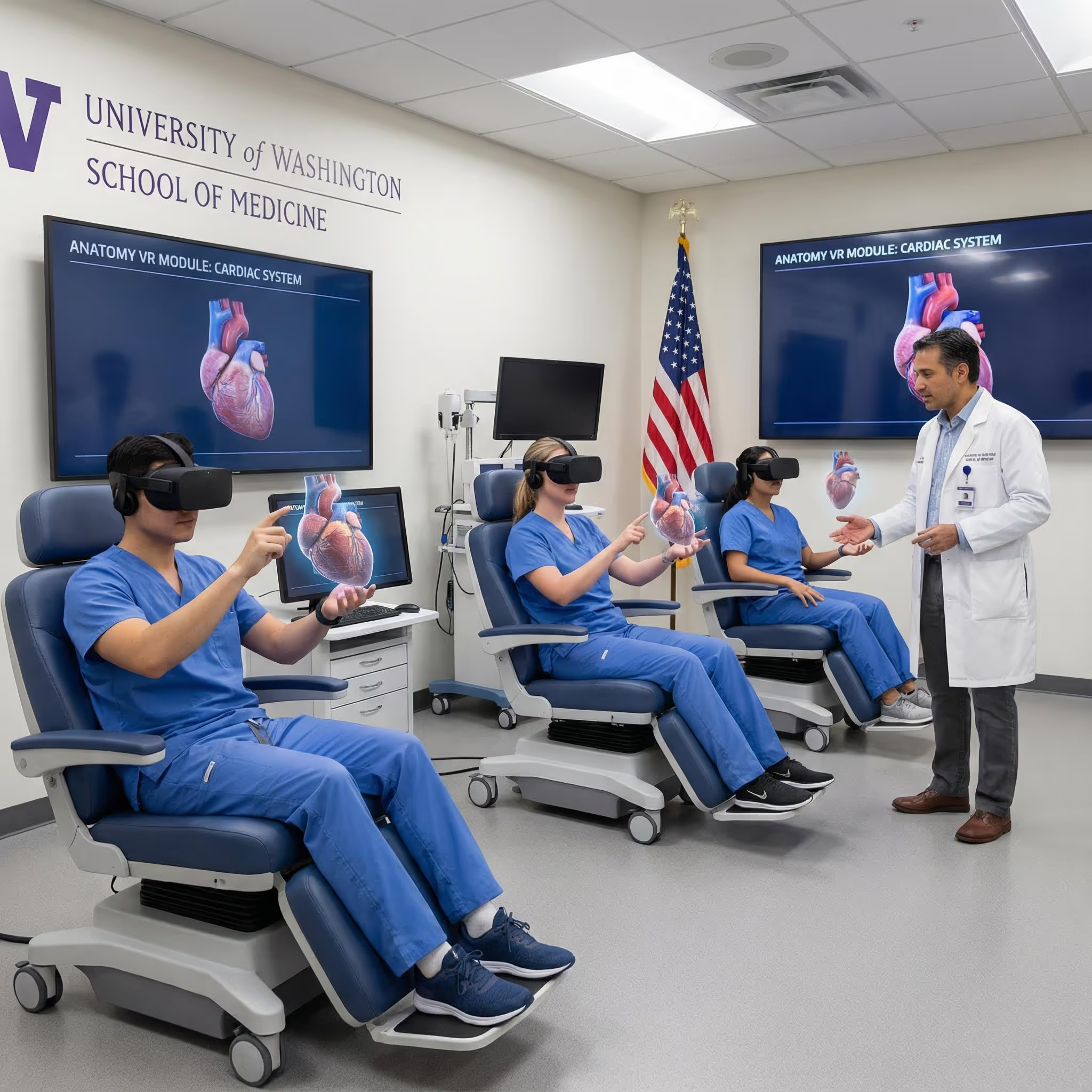
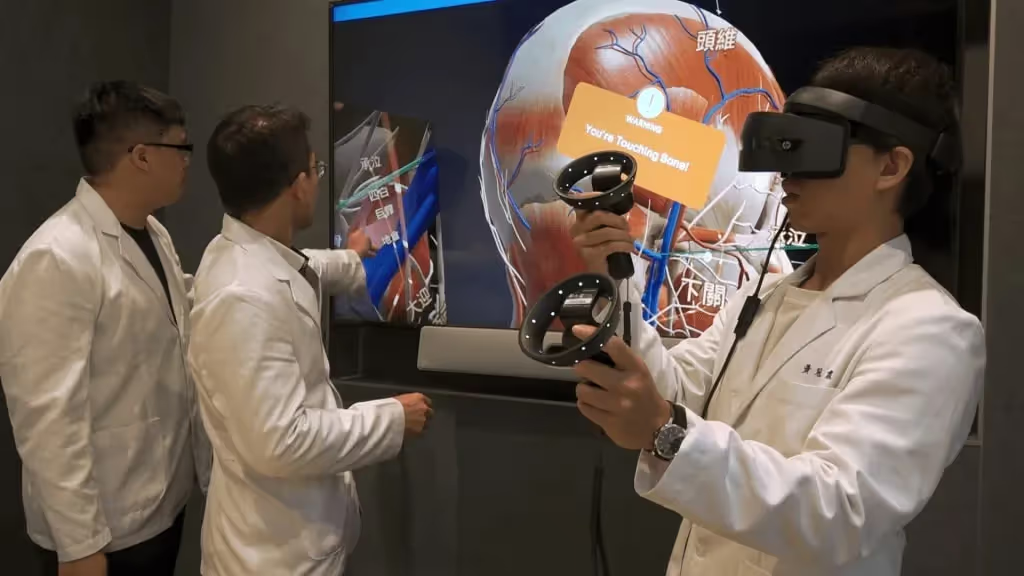
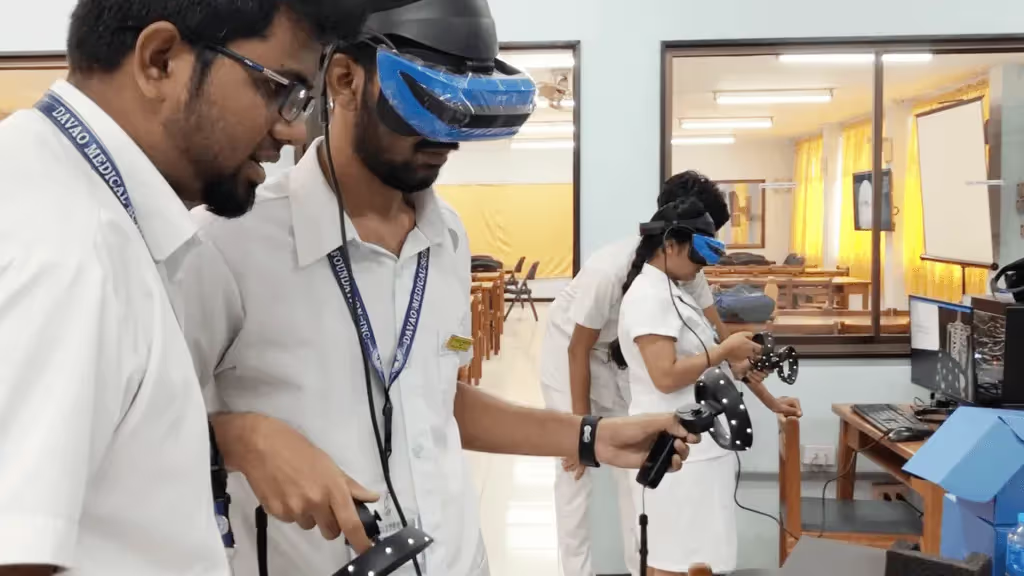
Beyond patient education, VR is transforming medical and health sciences education. Medical educators now use VR platforms to teach anatomy concepts in highly interactive ways that directly support improved patient care. Students benefit from immersive learning experiences—such as exploring 3D body models in platforms like BodyMap—that help them understand complex spatial relationships and clinical relevance, leading to greater confidence and preparedness for real-world practice. These innovations are modernizing curricula and making advanced anatomy education more accessible, even for institutions without access to cadaver labs.
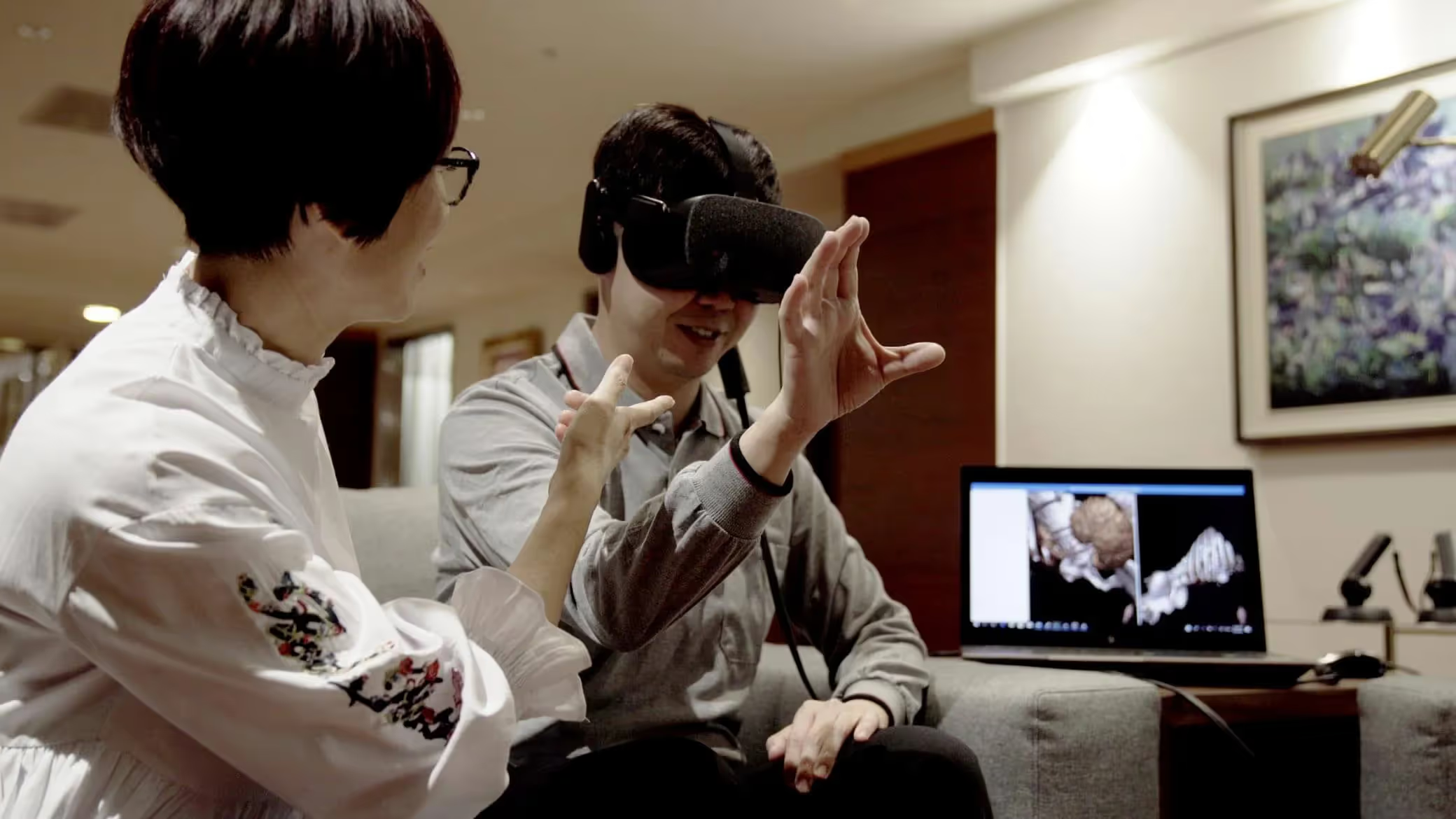
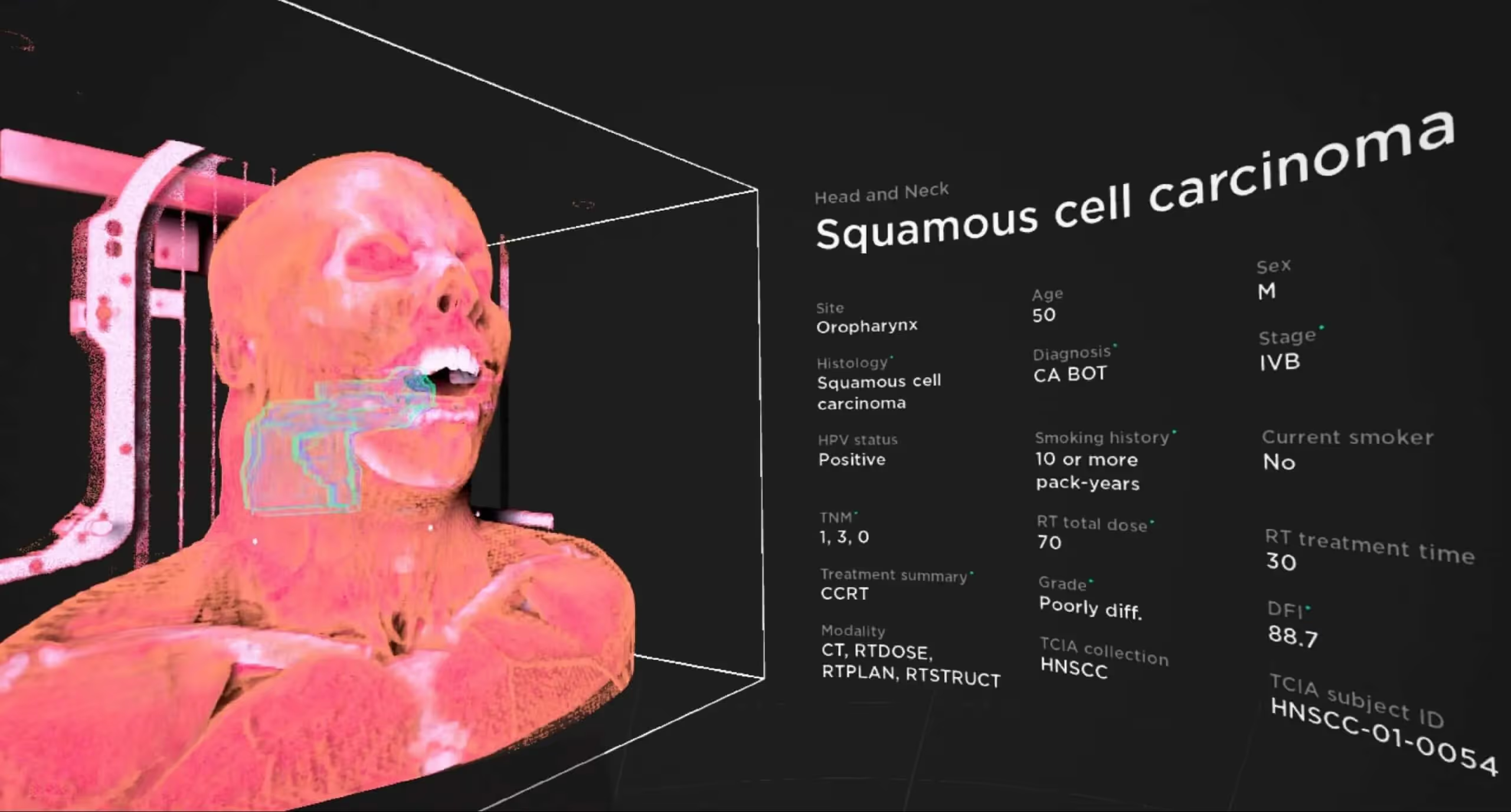
With DigiTwin, patient education is taken to another level. DigiTwin is a medical platform for 3D virtual patient images such as CT and MRI scans.
By using this platform, clinicians, physicians, and surgeons can engage and show patients their “digital twin”—a digital version of their body—to help them better observe their body visually, better understand their diagnosis, treatments, or therapies, and better understand their health conditions.
To read about how virtual reality in medicine is bettering the work of doctors and future doctors (“medical education”), you can check out this article.
Use of Virtual Reality in Healthcare for the Second Opinion
Incorrect diagnosis is responsible for almost ¾ of vascular events, infections, and cancers, according to a study by the Johns Hopkins University School of Medicine.(Johns Hopkins University School of Medicine Study)
The BMJ has pointed out that to reduce misdiagnoses, we should minimize mistakes that are the result of the limits of human knowledge. That is, if doctors and healthcare practitioners increase their knowledge of a new sickness, especially during the Covid-19 era, the chances of patients being misdiagnosed or mistreated will become lower.
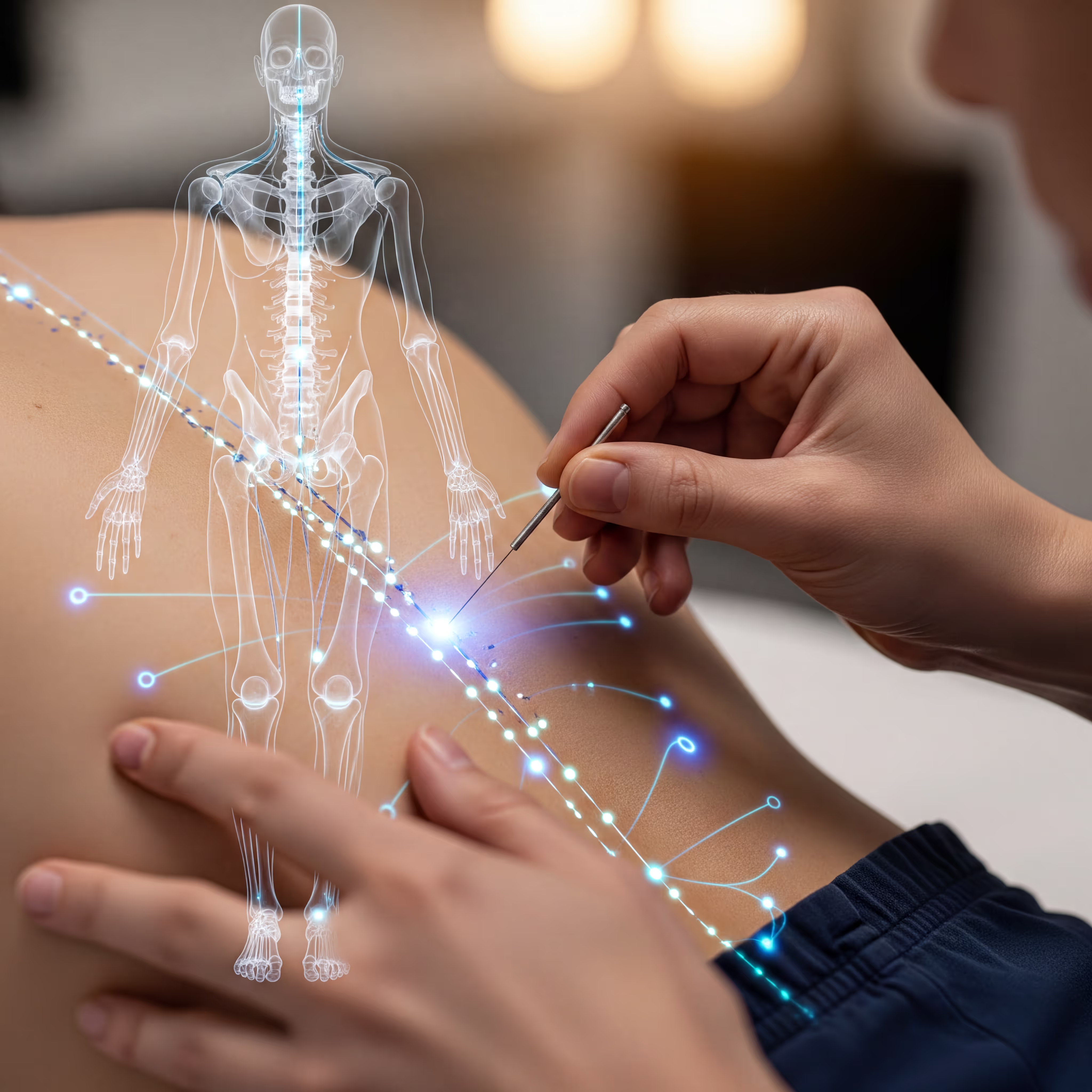
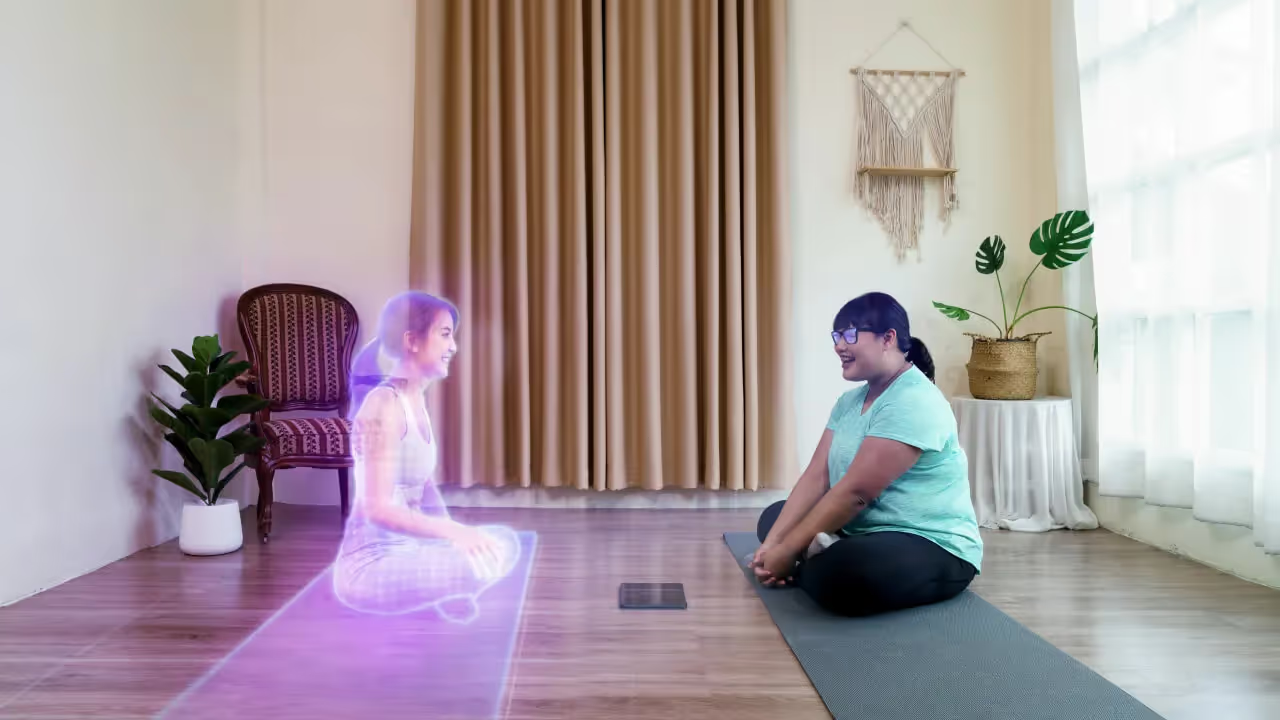
One way to reduce mistakes—while we try to better educate doctors and medical students with BodyMap and AcuMap, the VR anatomy and acupuncture training solutions—is to have more doctors assess the same patient and propose their own diagnoses. This is what we call the “second opinion”, or the so-called “virtual” second opinion.
Some of the benefits of a second opinion include:
- Easier, and quicker access to diagnosis and treatment plans
- Different opinions on your illness
- More accurate diagnosis of your illness
- Better suited treatment plans
When misdiagnoses occur, it could lead to delayed treatments or mistreatments, which could in turn worsen the diseases patients may already be suffering from and result in more painful treatment plans. None of these are what hospitals, clinics, or patients want to go through or endure.
Brigham And Women’s Hospital in Boston already seeks second opinions and provides patients with a consultation in about 7 days in the comfort of their home, especially when they face a new diagnosis or treatment plan.
When patients have complex medical questions or concerns, symptoms that are yet explained or are diagnosed with serious illness, online second opinions can help.
The Future of Virtual Reality for Healthcare
The future of VR in healthcare shows significant growth potential. Vantage Market Research’s anal...
As VR technology becomes more widely adopted, physicians and patients will become more open to the technology.
As VR technology integrates with AI and other digital health tools, patients w...
Begin your VR anatomy journey today, sign up for a 7-day free trial.

Future of MedTech
Learn how to navigate the 3D model and utilize the tools to master human anatomy—all in one place.
.jpeg)
.avif)

.avif)
.avif)



The Benefits of Acupuncture for Pain Relief

The Importance of Regular Exercise for Mental Health
The Benefits of Meditation for Stress Reduction
The Importance of a Balanced Diet for Overall Health
The Benefits of Yoga for Mind and Body
The Benefits of Meditation for Stress Reduction