
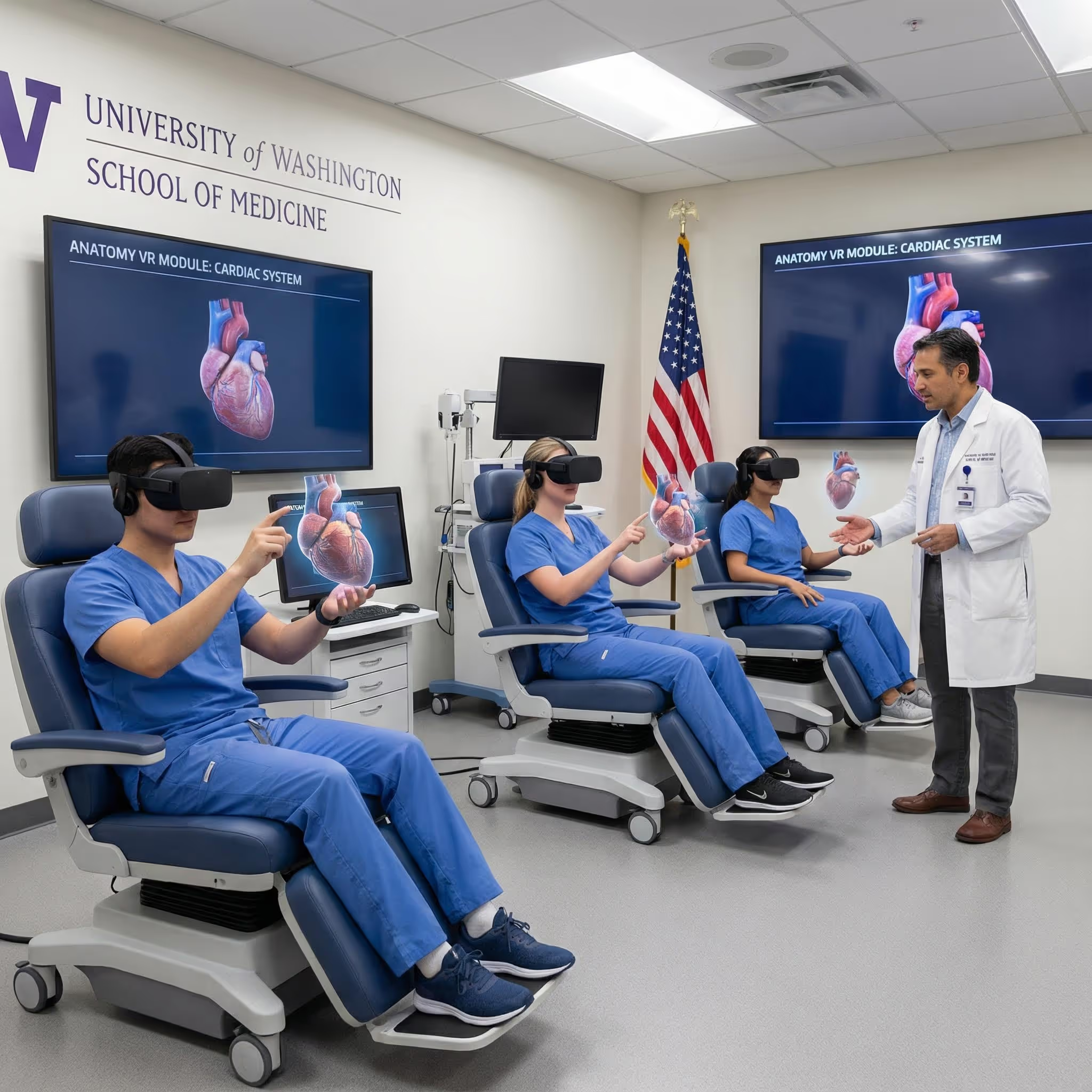
VR Anatomy Learning for Medical Students
Learning anatomy from a textbook is a bit like trying to understand a city by looking at a single photograph. You get some information, but you miss how everything connects in three dimensions.
VR anatomy learning changes this by placing you inside an interactive human body, where you can rotate organs, trace nerves, and explore spatial relationships that flat images simply cannot convey. This guide covers how VR anatomy works, what benefits it offers medical students, which headsets and platforms to consider, and how to get started.
What is VR anatomy learning
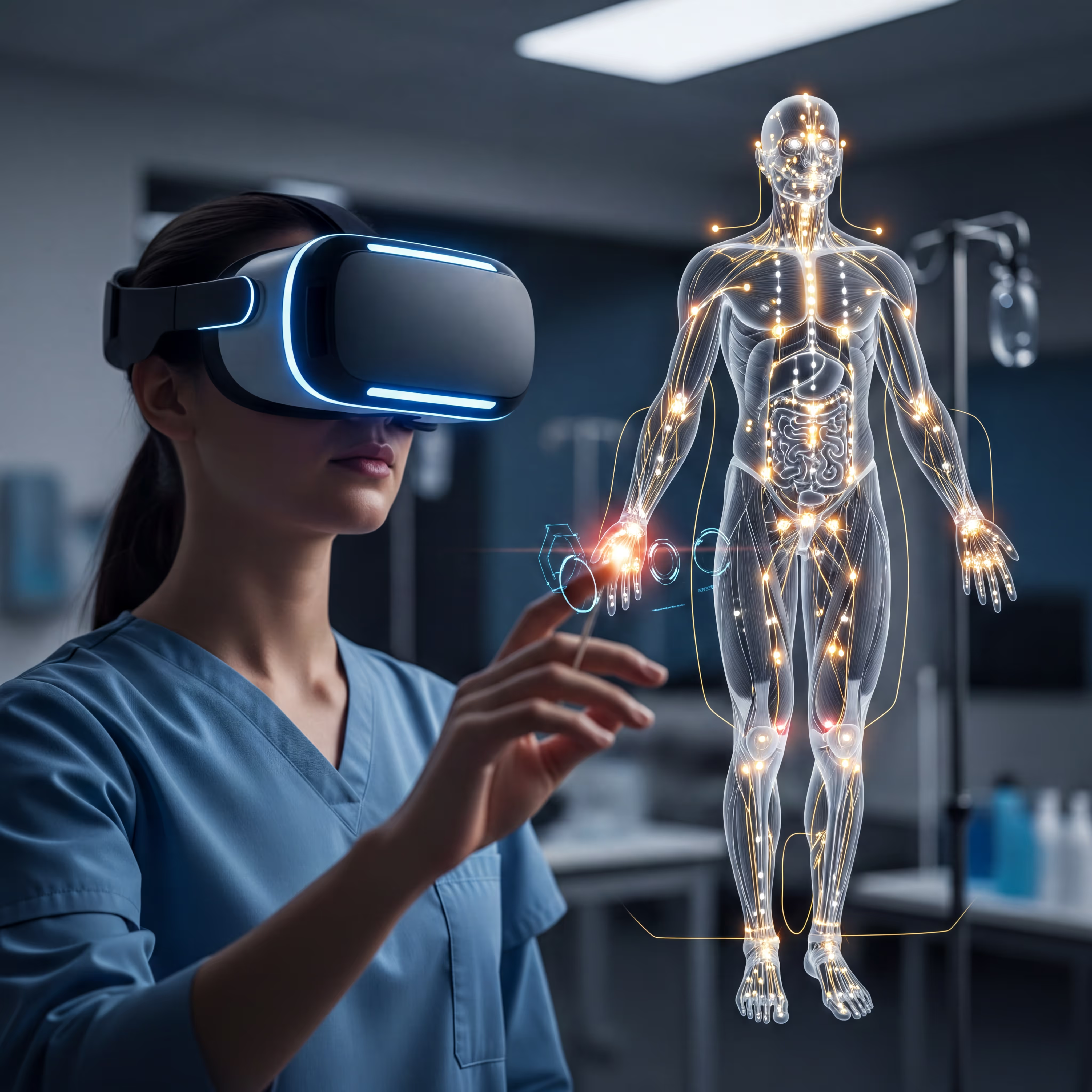
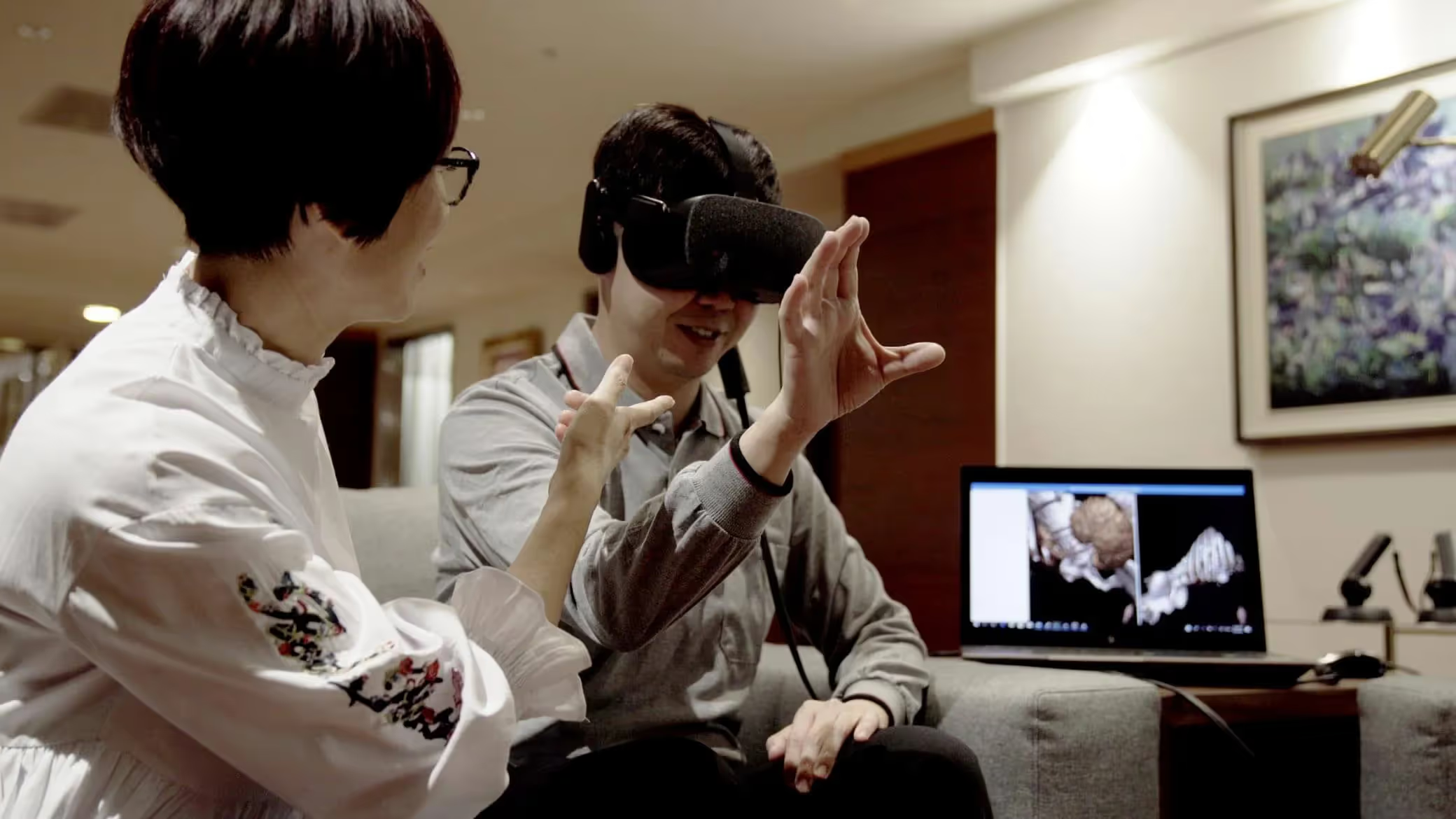
VR anatomy learning uses virtual reality headsets and software to let you explore the human body as an interactive 3D environment. The healthcare VR market reached $5.62 billion in 2024, with medical education as a key driver. Rather than looking at flat diagrams in a textbook or rotating a model on a computer screen, you put on a headset and step inside the anatomy itself. You can rotate organs, peel back muscle layers, and trace nerves through the body as if you were standing right there beside them.
What sets VR apart from other 3D tools? Immersion. When you're surrounded by a life-sized heart or can walk around a skeleton, your brain processes spatial information the way it would in the real world. Educators often call this "spatial understanding," which refers to grasping how body structures fit together in three-dimensional space.
The term "immersive learning" comes up frequently in this space. It simply means the technology places you inside the learning environment rather than having you observe it from the outside. For anatomy, this distinction matters because the human body exists in three dimensions, and learning it that way helps concepts stick.
Benefits of VR anatomy learning for medical students
So why are medical schools increasingly bringing VR into their anatomy courses? Randomized trials in 2024 confirmed that virtual procedures improved accuracy and shortened learning curves at leading U.S. teaching hospitals. The advantages go beyond the novelty of wearing a headset.
Improved spatial understanding of body structures
Anatomy is fundamentally about relationships. Where does the brachial artery run relative to the median nerve? How do the layers of the abdominal wall stack on top of each other? Which structures pass through the carpal tunnel? These relationships are difficult to appreciate from a single cross-section or a labeled diagram.
In VR, you can view the same structure from any angle, isolate it from surrounding tissues, or trace a vessel from its origin all the way to its endpoint. This kind of exploration builds the mental map that clinicians rely on when examining patients or planning procedures.
Think of it like the difference between looking at a 2D map of a city versus actually walking through its streets. Both give you information, but one gives you a feel for how everything connects.
Higher retention compared to textbooks and lectures
Reading about anatomy is passive. Exploring it in VR is active. You're making decisions about what to look at, manipulating structures with your hands, and engaging multiple senses at once.
When you physically reach out to rotate a kidney or step closer to examine the renal hilum, you're encoding that information through movement and spatial context, not just words on a page. This active engagement tends to support memory formation more effectively than reading or listening alone.
Repeatable practice without cadaver lab limitations
Cadaver labs remain valuable, but they come with constraints. Limited hours, preservation concerns, and the simple fact that once a structure is dissected, it cannot be undissected. VR removes these barriers entirely.
You can practice the same dissection dozens of times, revisit a region you struggled with at midnight before an exam, or explore structures your lab specimen happened to be missing. This repeatability is especially helpful for students who benefit from more time with certain concepts.
Key features of VR anatomy platforms
Not all VR anatomy apps offer the same capabilities. Here's what to look for when evaluating different platforms.
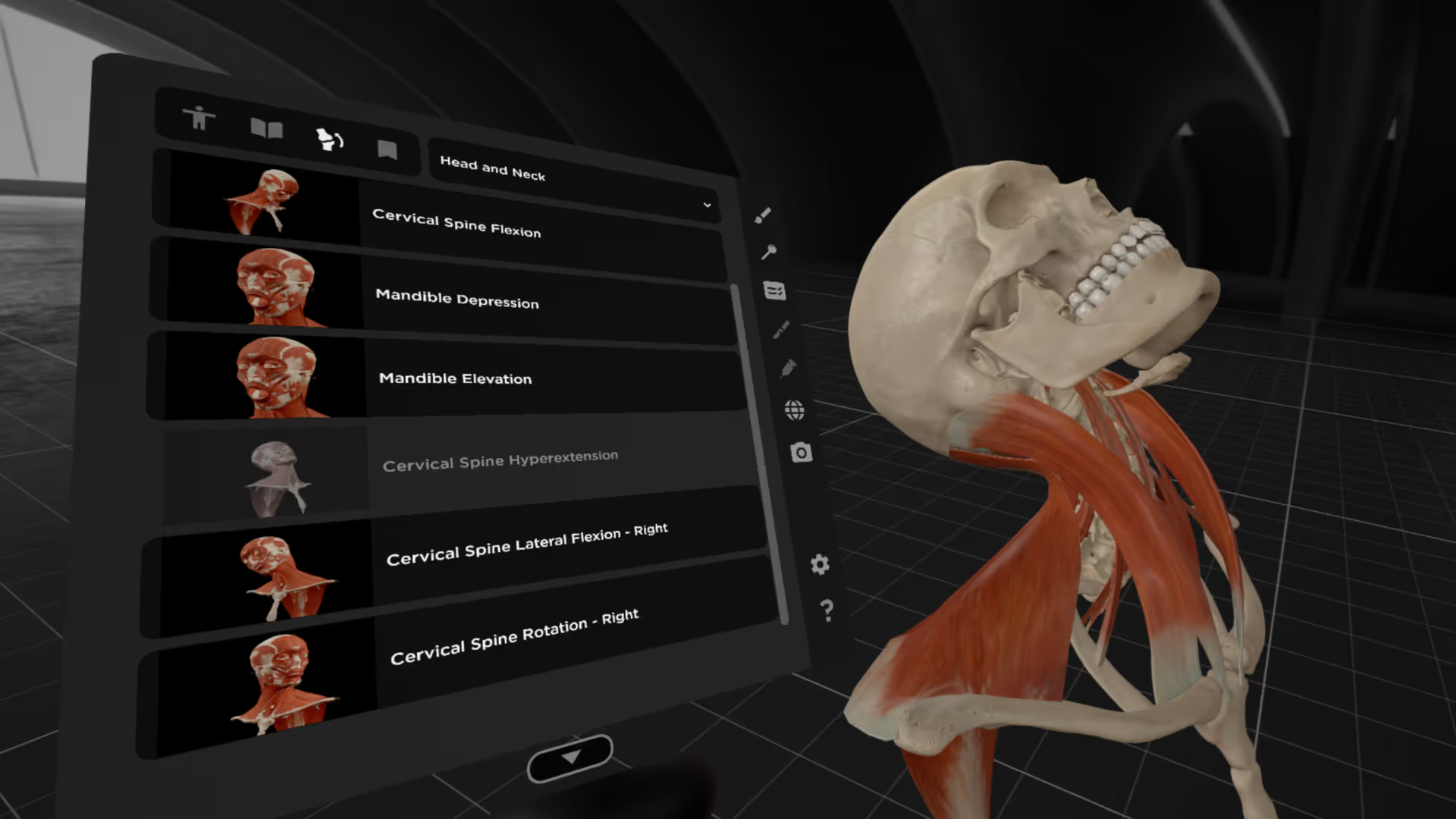
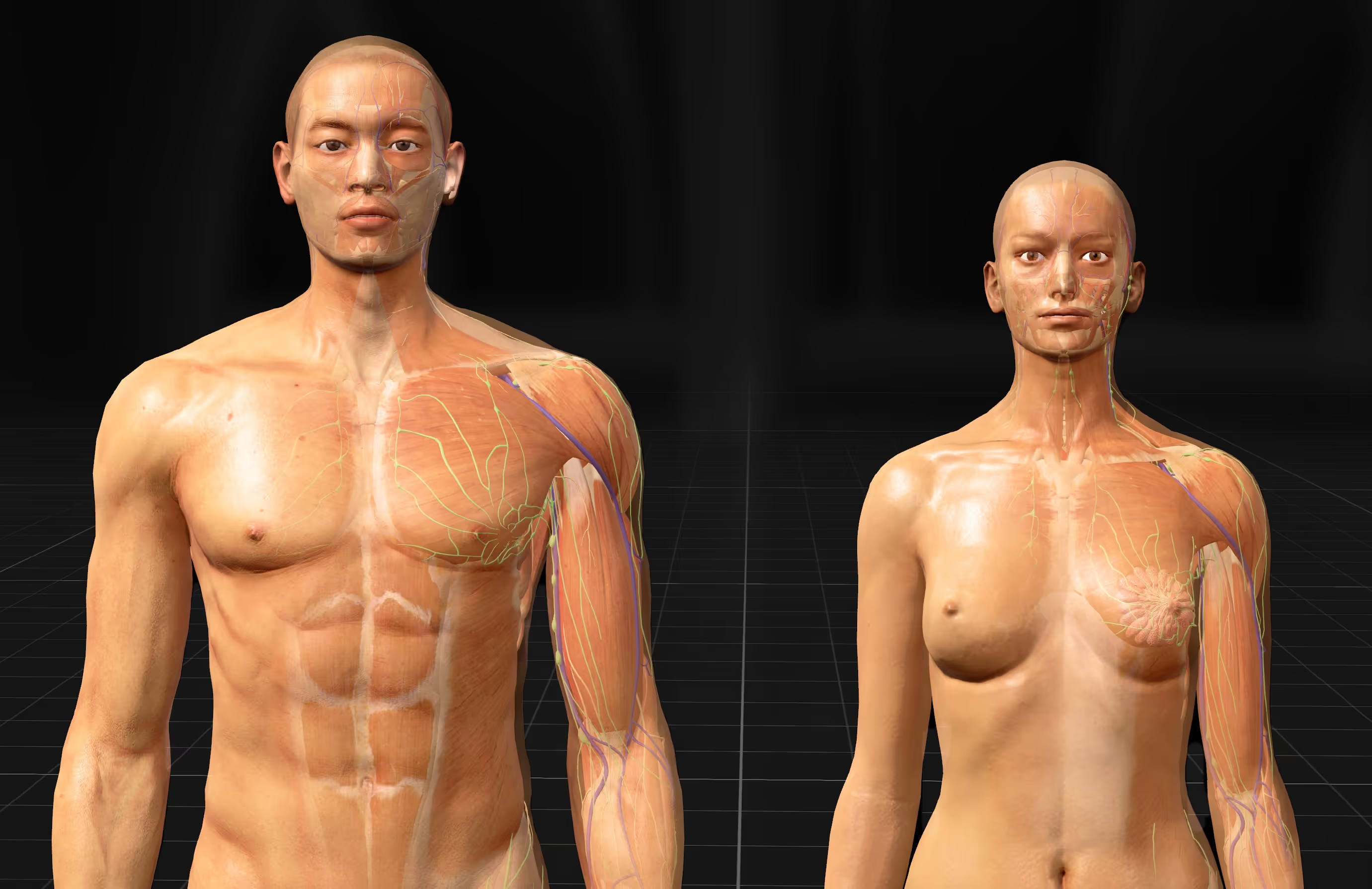
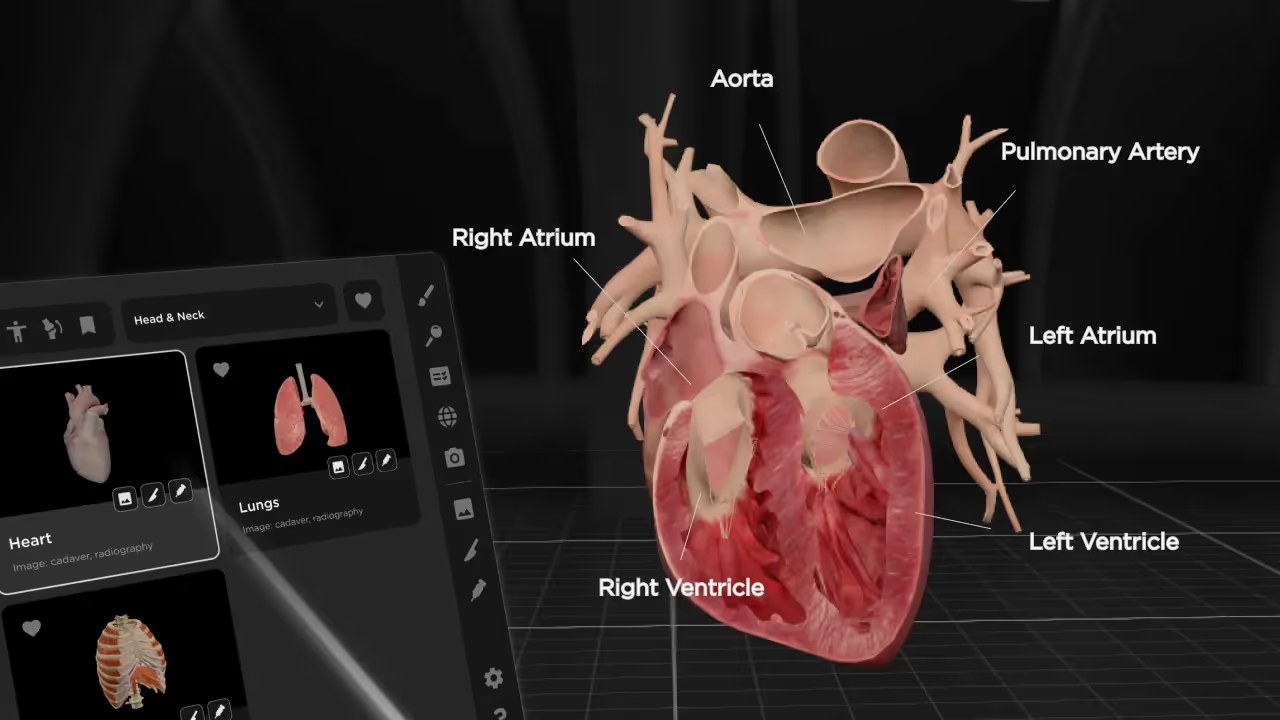
Interactive 3D anatomical models
The core of any VR anatomy platform is its 3D models. The best platforms let you:
- Rotate structures freely: View any organ or system from any angle
- Zoom in on fine details: Examine small structures like foramina or nerve branches up close
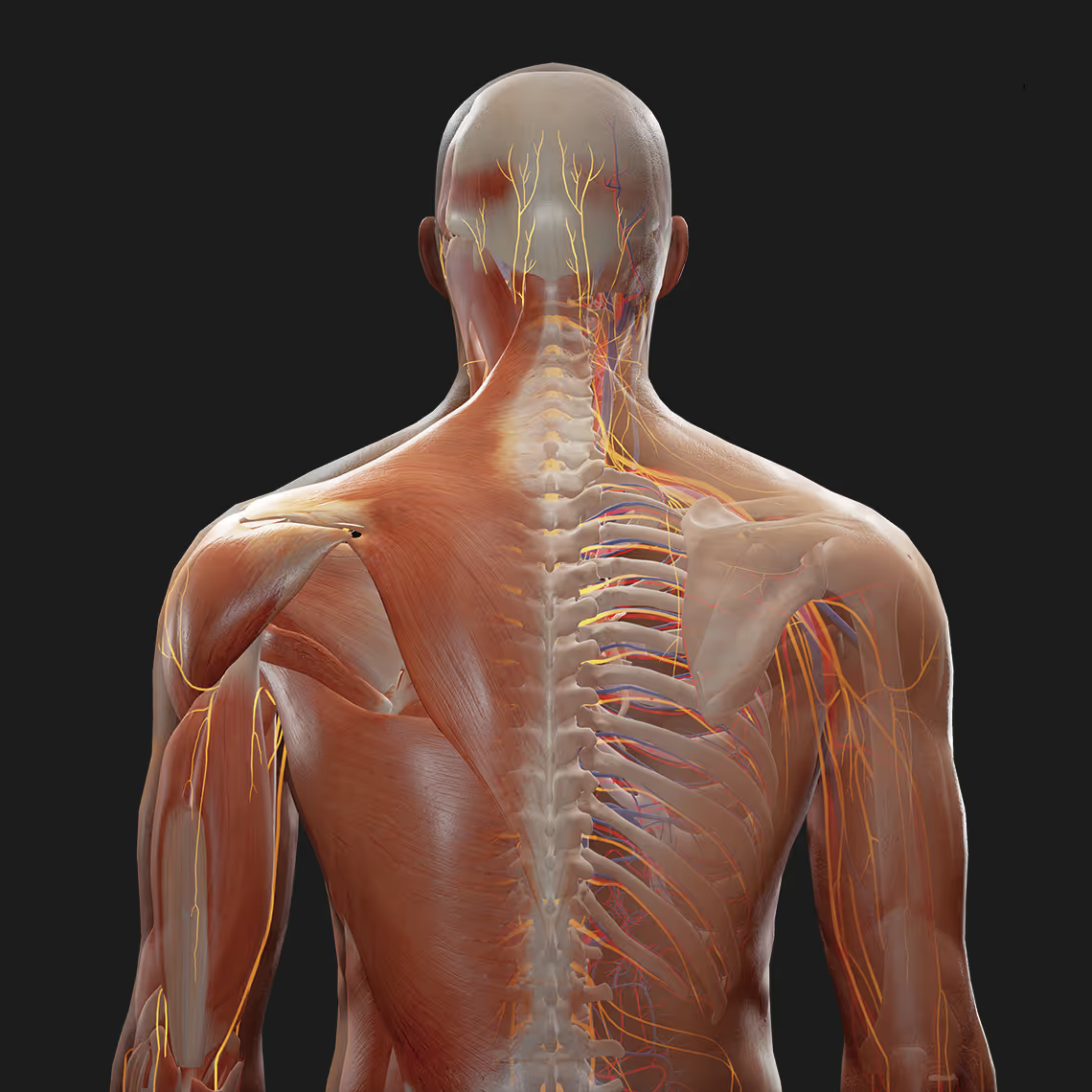
- Isolate individual systems: Show only the cardiovascular system, for instance, or hide muscles to reveal the skeleton beneath
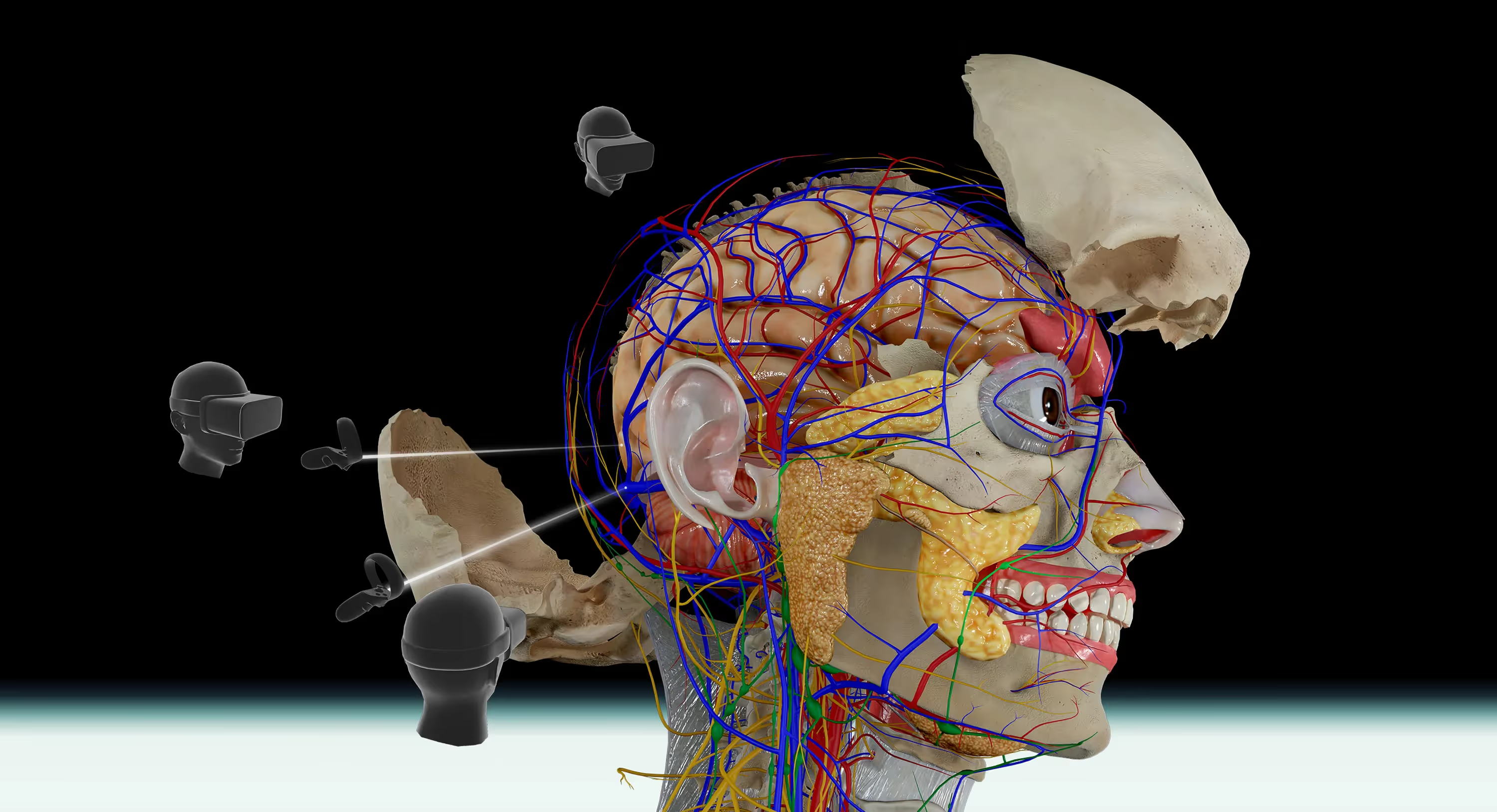
- Peel back layers progressively: Mimic the experience of dissection while being able to reverse the process instantly
Multi-user collaboration for group study
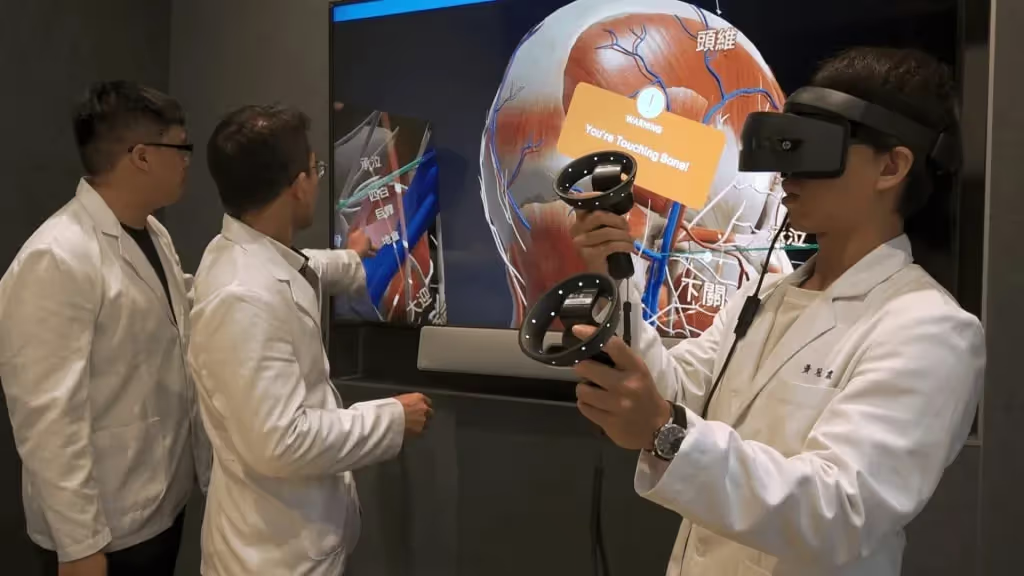
Some platforms support multiple users in the same virtual space. This means study groups can gather around a virtual cadaver together, or an instructor can guide a class through a structure while everyone sees the same view.
For remote learners or institutions with limited lab space, this collaborative feature can be particularly useful.
Built-in quizzes and assessment tools
Self-testing is one of the most effective study strategies, and many VR anatomy platforms include labeling quizzes, identification challenges, and progress tracking. These tools help you identify gaps in your knowledge before exam day rather than during it.
2D to 3D image exploration
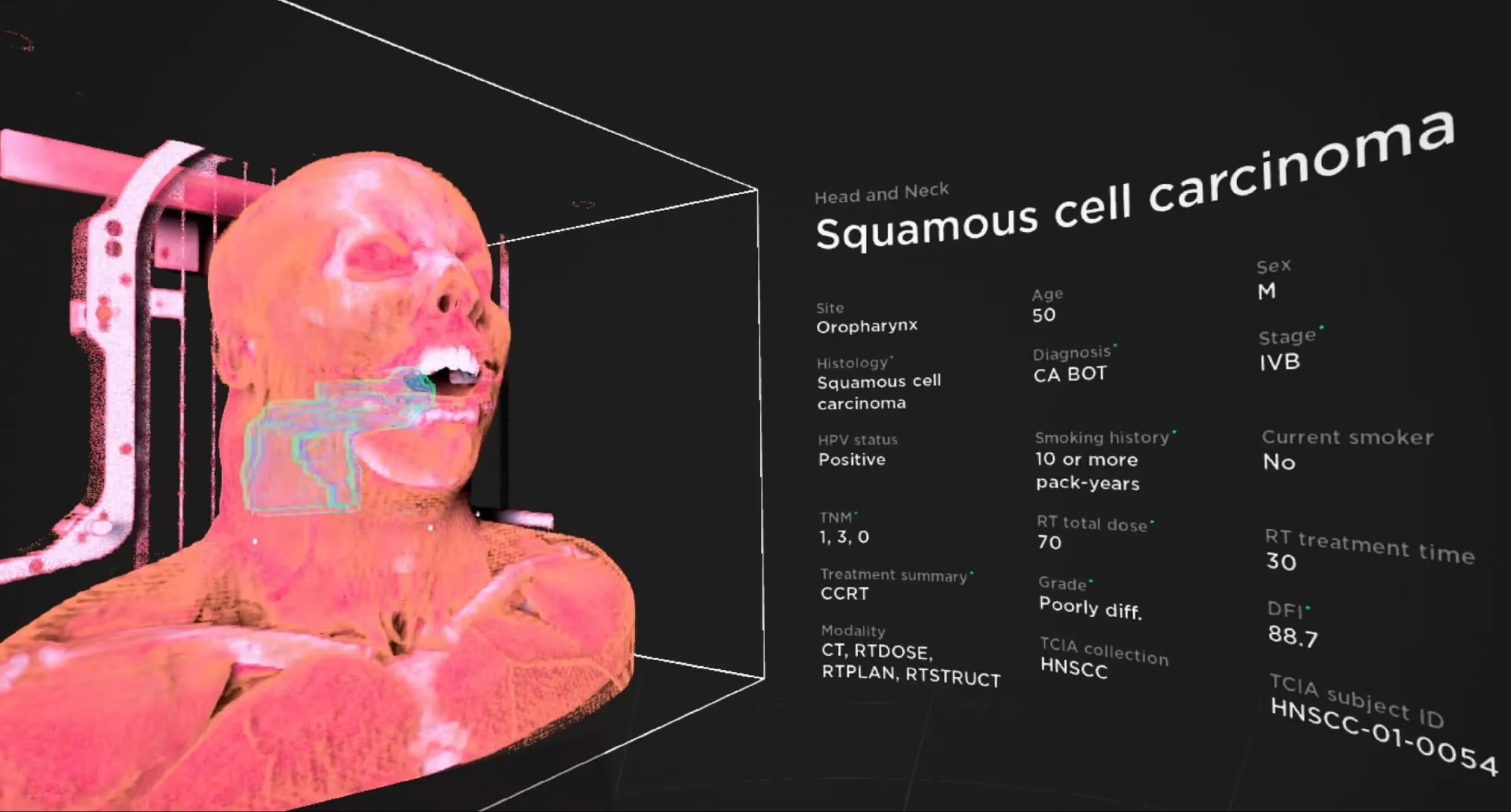
Some advanced platforms can import CT or MRI scans and render them as interactive 3D models. This bridges the gap between anatomical study and clinical imaging, which is a skill you'll use throughout your medical career.
Being able to correlate a cross-sectional image with the 3D structure it represents is challenging for many students. VR can make this connection more intuitive by letting you see both views side by side.
VR headsets compatible with anatomy apps
Choosing a headset depends on your budget, technical setup, and how you plan to use VR. Here's a quick comparison:
Meta Quest and Oculus anatomy support
Meta Quest devices (formerly branded as Oculus) are the most common headsets for anatomy apps. They're standalone, meaning no computer is required. You simply put on the headset and start learning.
Platforms like BodyMap support Meta Quest directly, making it straightforward for individual students to study at home or for institutions to deploy headsets across a class without complex IT setup.
HTC Vive and PC VR headsets
PC-tethered headsets like the HTC Vive offer higher graphical fidelity and more precise tracking. However, they require a compatible computer with a dedicated graphics card.
Institutions with existing VR labs often use these devices. They can be worth the investment when visual detail is a priority, though the added complexity means more setup time.
Mixed reality devices
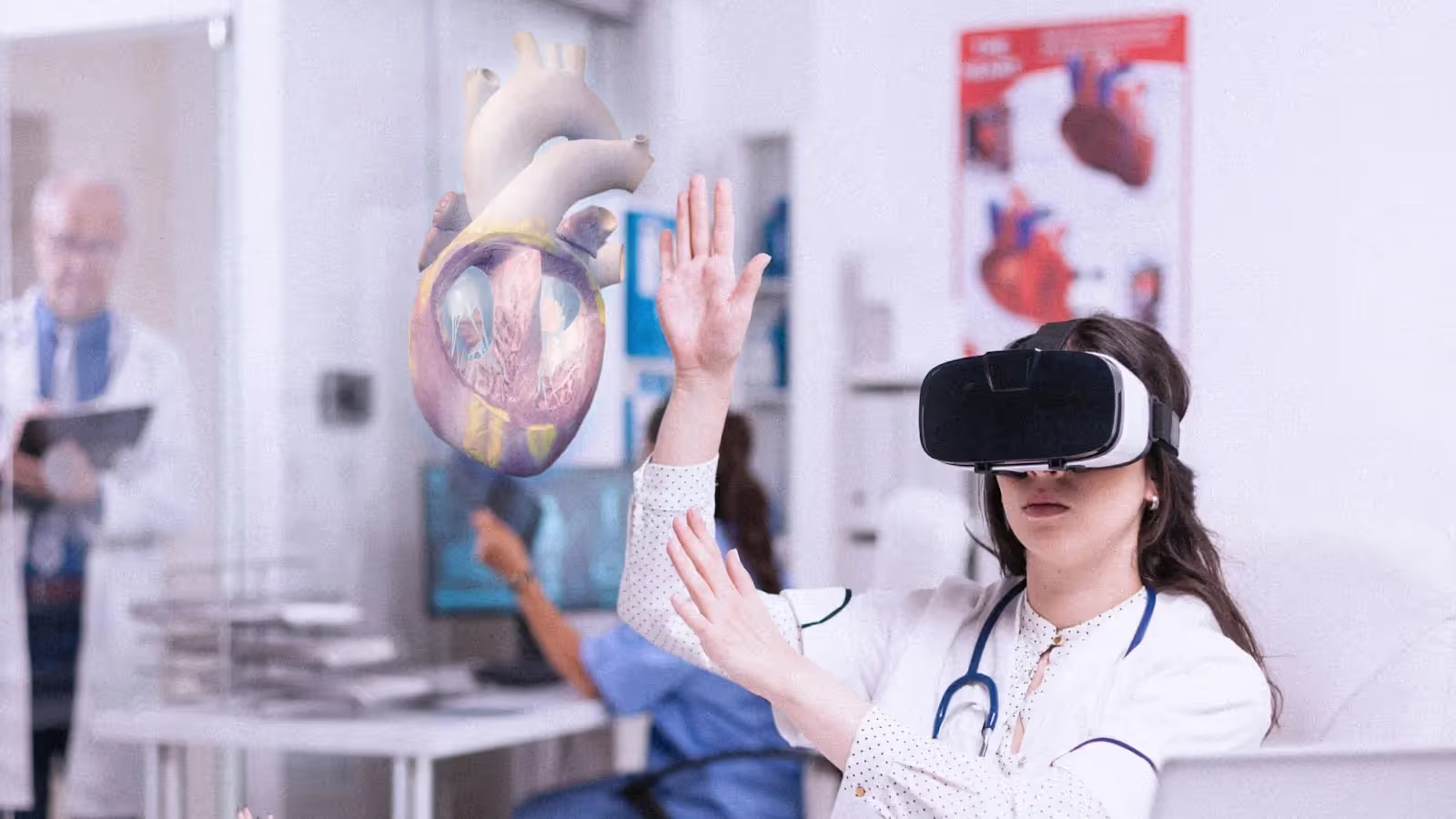
Mixed reality, or MR, blends virtual objects with your real environment. Instead of being fully immersed in a virtual space, you might see a 3D heart floating above your actual desk.
This approach can be useful for anatomy learning because it allows you to reference physical notes or textbooks while exploring virtual structures. The Meta Quest 3 and Apple Vision Pro both support mixed reality experiences.
Anatomy and physiology VR learning
Anatomy tells you what structures exist and where they're located. Physiology explains how those structures function. The best learning happens when you connect the two.
Visualizing physiological systems in three dimensions
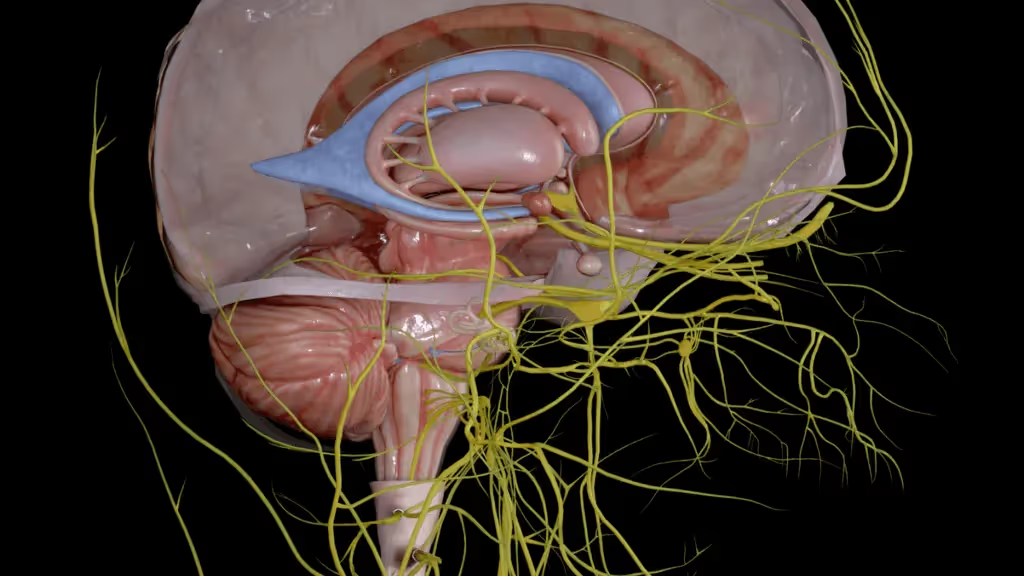
VR is beginning to move beyond static structures. Some platforms now show blood flow through vessels, electrical conduction through the heart, or the sequence of muscle contractions during movement.
Seeing the inferior vena cava return blood to the right atrium while watching the cardiac cycle animate helps connect structure to function in a way that static diagrams struggle to achieve.
Integrating physiology concepts into VR curriculum
Instructors can use VR to teach anatomy and physiology together in the same session. For example, while exploring the respiratory system's structure, students might also visualize gas exchange at the alveolar level.
This integrated approach mirrors how clinicians eventually think about the body. Not as isolated parts, but as interconnected systems working together.
Who uses VR anatomy learning
VR anatomy isn't limited to medical students, though they're often the primary audience.
Medical and health sciences students
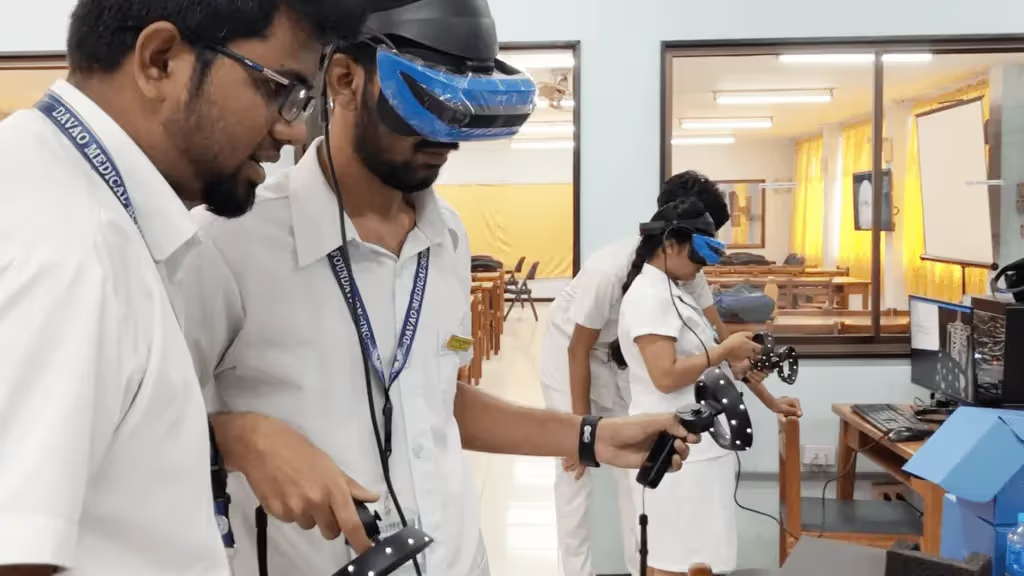
Medical school anatomy courses are the most obvious use case. Pre-med students, physician assistant programs, and osteopathic medical students all benefit from immersive anatomy study, whether as a primary learning tool or a supplement to traditional methods.
Nursing and allied health programs
Nursing students, physical therapists, occupational therapists, and other allied health professionals all build on anatomical foundations. VR provides an accessible way to develop this knowledge without requiring dedicated cadaver lab time for every program.
Acupuncture and TCM schools
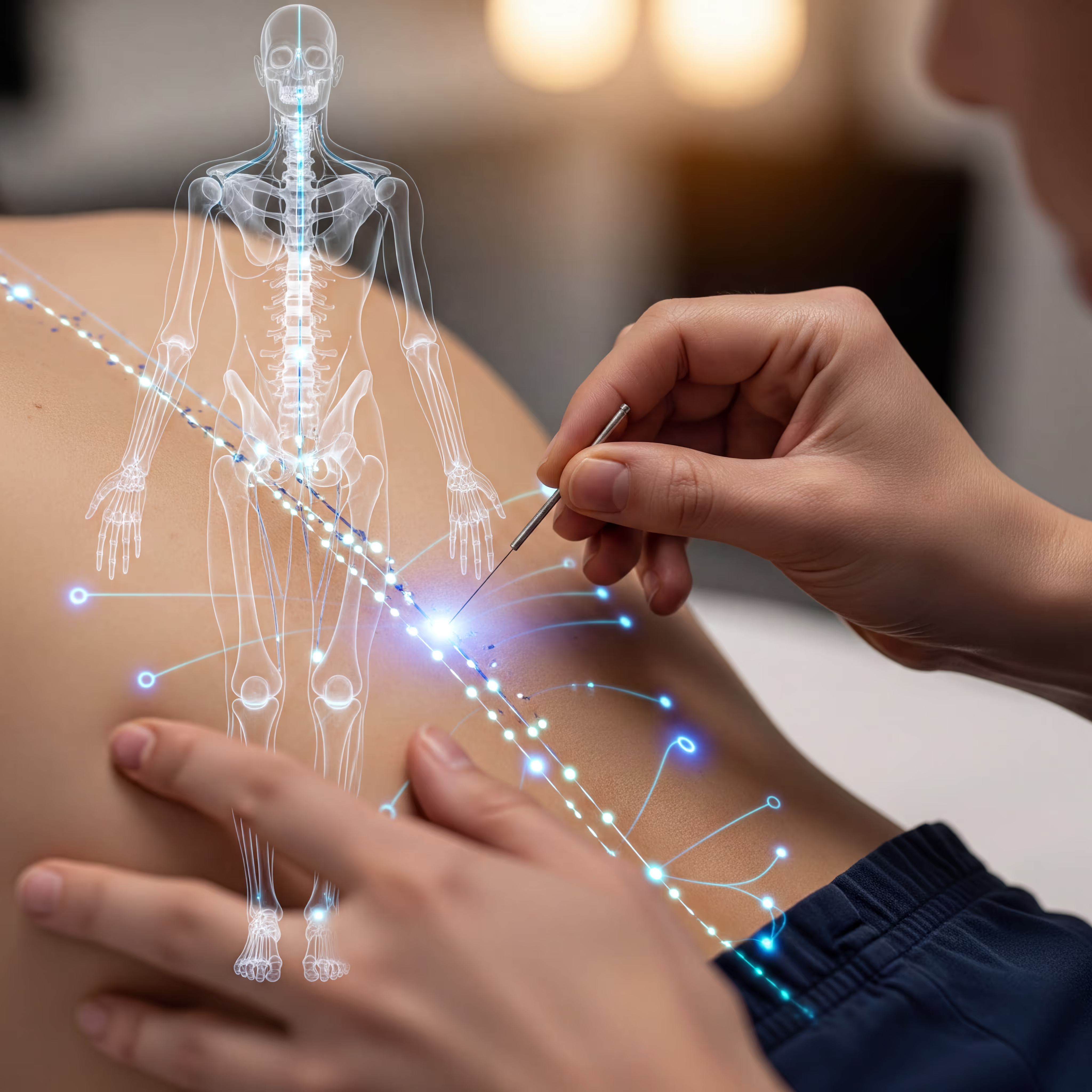
Acupuncture students face a unique challenge: learning precise point locations and meridian pathways on the body's surface. Platforms like AcuMap allow students to visualize these points in 3D, understanding their relationships to underlying anatomical structures rather than memorizing locations in isolation.
How to start learning anatomy in VR
Getting started is simpler than you might expect.
First, choose a headset. For most students, a Meta Quest offers the best balance of affordability and capability. If your institution has a VR lab, you may already have access to equipment.
Next, select a platform that matches your curriculum. Medical students might prioritize detailed anatomical models and quiz features, while acupuncture students would look for meridian and point visualization.
Finally, begin with guided tutorials. Most platforms include introductory sessions that teach you the controls and basic navigation. Within your first session, you'll likely feel comfortable moving through the virtual body on your own.
Start a free trial of the BodyMap VR anatomy platform
FAQs about VR anatomy learning
Is there a VR human anatomy app designed for medical students?
Yes, several VR anatomy platforms are built specifically for medical education. These include detailed anatomical models aligned with medical school curricula, quiz and assessment features, and support for both individual study and instructor-led sessions. BodyMap, for example, is used at institutions including UCLA, NYU, and Stanford.
Can VR anatomy learning replace cadaver labs?
VR anatomy serves as a powerful supplement to cadaver dissection rather than a complete replacement. It provides unlimited practice opportunities and helps students prepare for lab sessions or reinforce what they've learned afterward. Most educators view VR and cadaver labs as complementary tools.
How realistic are VR anatomy models compared to cadavers?
Modern VR anatomy platforms offer highly detailed, anatomically accurate 3D models that clearly display structures, layers, and spatial relationships. While they lack the tactile experience of physical dissection, they excel at showing relationships and allowing repeated exploration without the constraints of preserved tissue.
What is the learning curve for VR anatomy platforms?
Most VR anatomy apps are designed with intuitive controls and guided tutorials. Students with no prior VR experience typically become comfortable within their first session. The technology is meant to get out of your way so you can focus on learning anatomy, not learning VR.
Can students use VR anatomy software without owning a headset?
Some platforms offer desktop or web-based versions that allow you to explore 3D anatomy on a computer screen. While this provides access to the content, the full immersive experience and its benefits for spatial understanding require a VR headset.
Begin your VR anatomy journey today, sign up for a 7-day free trial.
Student Success & Study Hacks
Learn how to navigate the 3D model and utilize the tools to master human anatomy—all in one place.
.jpeg)
.avif)

.avif)
.avif)



The Benefits of Acupuncture for Pain Relief

The Importance of Regular Exercise for Mental Health
The Benefits of Meditation for Stress Reduction
The Importance of a Balanced Diet for Overall Health
The Benefits of Yoga for Mind and Body
The Benefits of Meditation for Stress Reduction