
How AcuMap Transforms Acupuncture Training from Guesswork to Measurable Skill
Introduction
Every acupuncture instructor knows the challenge: a student confidently locates an acupoint on a chart, but when it's time to insert the needle at the correct angle and depth, uncertainty creeps in. Traditional training methods—textbook diagrams, plastic models, and supervised patient practice—can only go so far in developing the spatial awareness and technical precision that safe, effective acupuncture demands.
The problem isn't a lack of dedication or intelligence. It's that conventional educational tools simply cannot bridge the gap between two-dimensional theory and three-dimensional clinical reality. Textbook illustrations fail to convey the spatial relationships between acupoints, meridians, and underlying anatomical structures. Physical models lack the ability to provide real-time feedback on needle insertion angles and depths. And early patient practice creates a high-stakes learning environment where students have limited opportunities for error correction before potentially compromising patient safety or comfort.
Add to this the practical constraints facing modern acupuncture education: limited practice opportunities due to patient availability, inconsistent training quality across institutions and instructors, material costs for needles and supplies, and the growing need for remote and flexible learning options. The result? Students who understand acupuncture theory but struggle to translate that knowledge into confident, precise clinical technique.
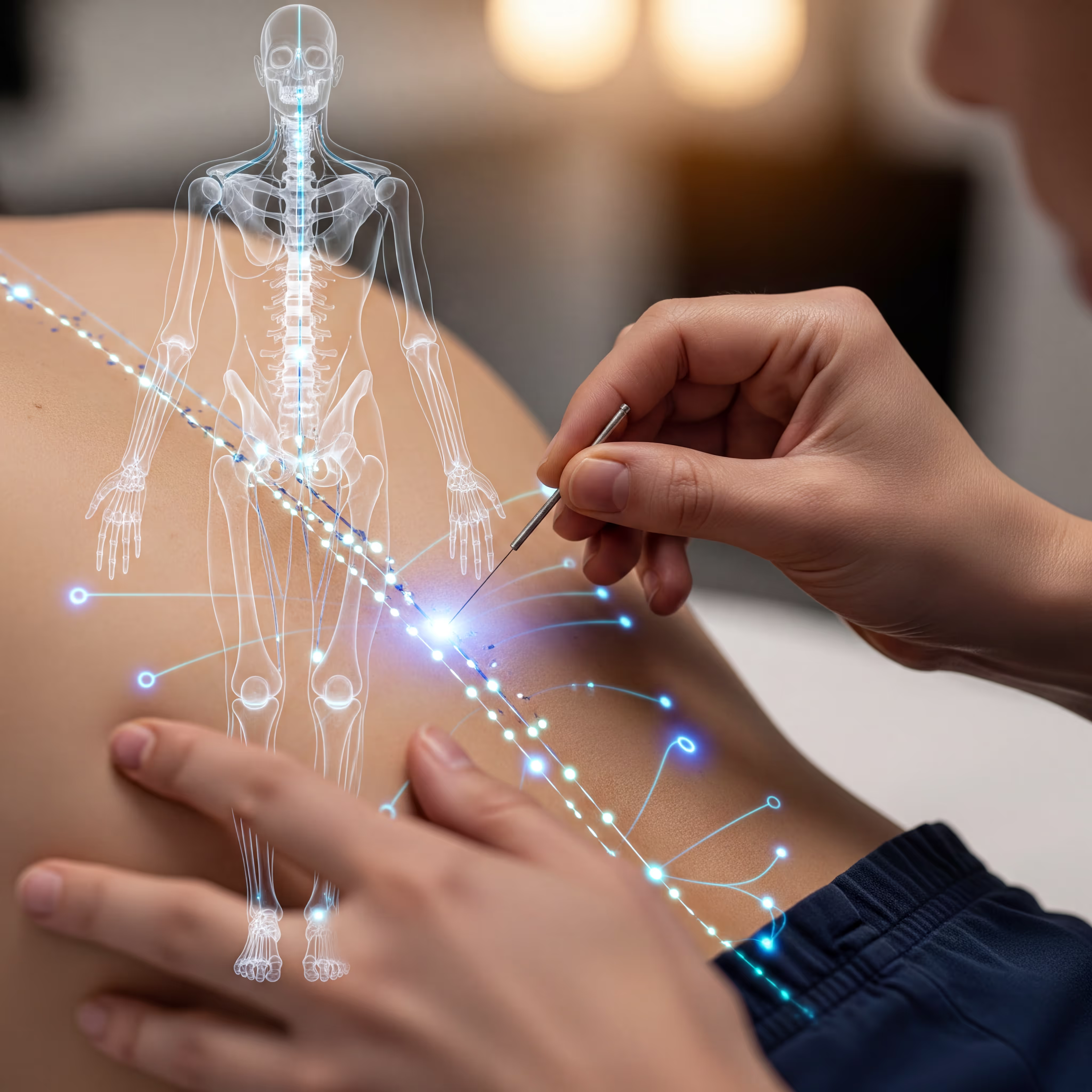
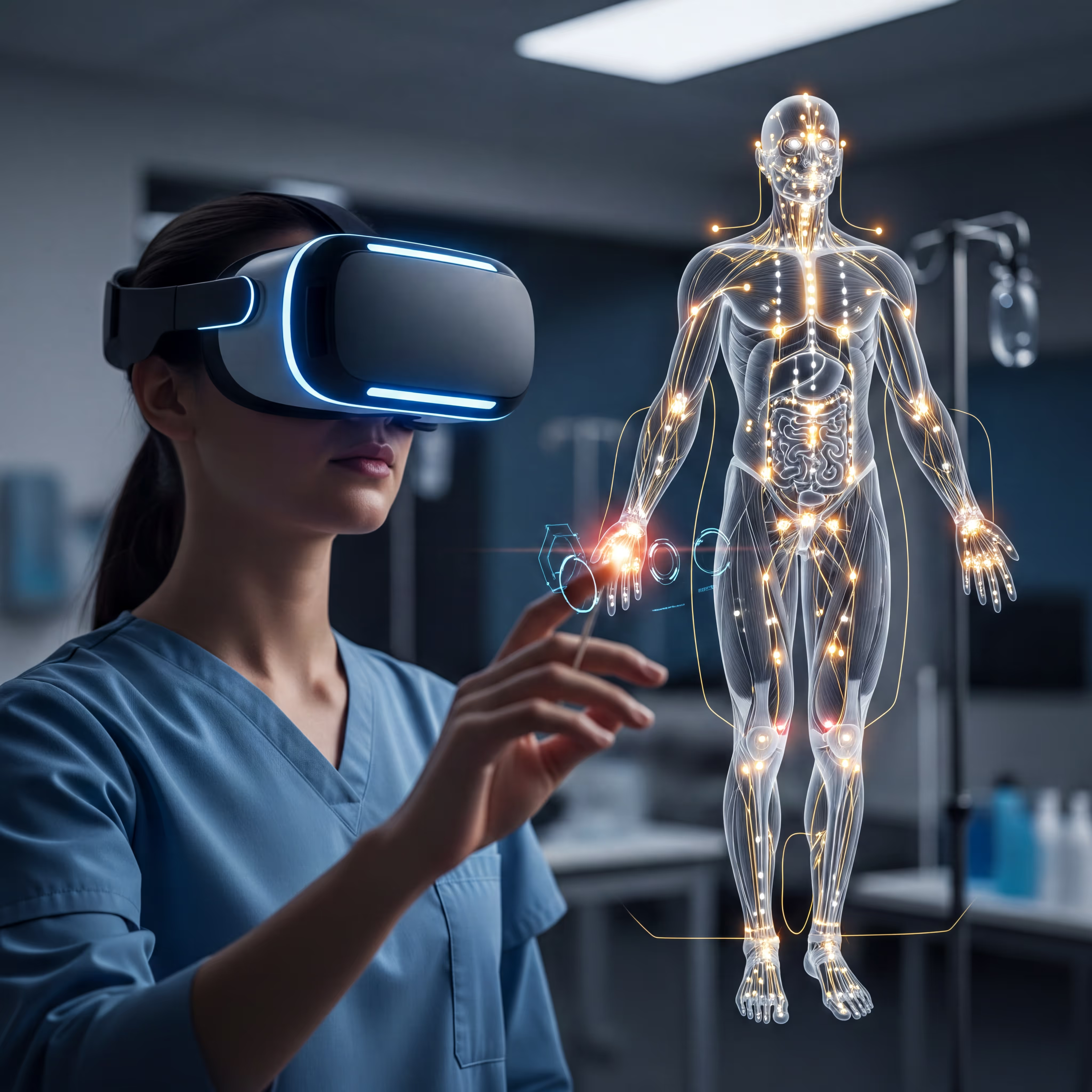
AcuMap, MAI's immersive VR platform for acupuncture education, addresses these challenges by creating a risk-free, repeatable training environment where students and practitioners can develop measurable precision in needle insertion technique. By combining interactive 3D anatomical models with real-time angle and depth visualization, AcuMap transforms abstract concepts into tangible skills—helping learners master the spatial relationships and technical accuracy that define expert acupuncture practice.
This article explores how AcuMap's precision training capabilities benefit TCM practitioners, licensed acupuncturists, integrative medicine schools, and acupuncture students by providing measurable feedback on needle insertion technique, unlimited practice opportunities, standardized training experiences with objective assessment, and global access to expert instruction and collaborative learning. Whether you're refining your own clinical skills, educating the next generation of practitioners, or building a modern acupuncture curriculum, understanding how precision training technology works is essential to advancing both individual competency and the profession as a whole.
The Precision Problem in Traditional Acupuncture Training
Why Spatial Accuracy Matters in Clinical Practice
In acupuncture, millimeters and degrees make the difference between therapeutic success and potential harm. The relationship between needle angle, depth, and therapeutic effectiveness isn't just theoretical. It's the foundation of safe, effective treatment. Insert a needle too shallow, and you may fail to reach the target tissue or stimulate the intended physiological response. Insert too deep, and you risk puncturing organs, damaging nerves, or causing unnecessary patient discomfort.
Consider GB-20 (Fengchi), a commonly used point for headaches, neck pain, and hypertension. The traditional needling instruction calls for perpendicular insertion to a depth of 0.5-1 cun, directed slightly toward the opposite eye. But beneath the surface lies the vertebral artery, making precise angle control not just important—it's essential for patient safety. A student who understands this intellectually may still struggle to translate that knowledge into confident, accurate needle placement when facing their first patient.
This gap between theoretical knowledge and practical skill execution affects not just safety, but also treatment outcomes and patient comfort. Practitioners who develop precise technique deliver more consistent therapeutic results, experience fewer adverse events, and build stronger patient trust. Yet traditional training methods offer limited pathways to developing this precision before students enter clinical practice.
Limitations of Conventional Training Methods
The challenges begin with 2D learning materials. Charts and textbooks, no matter how detailed, cannot convey depth, angle, or the three-dimensional spatial relationships between acupoints and anatomical structures. A student can memorize that LI-4 (Hegu) is located on the dorsum of the hand, between the first and second metacarpal bones, but visualizing the proper insertion angle and depth from a flat diagram requires a cognitive leap that many find difficult.
Physical models offer some improvement, providing tactile feedback and three-dimensional reference points. But static anatomy models lack feedback mechanisms and realistic tissue response. They can't tell a student when their needle angle deviates from the safe insertion pathway, or when they've inserted too deeply. The student practices the motion, but without objective confirmation of accuracy.
This leaves early patient practice as the primary method for developing real-world precision—a high-stakes learning environment with inherent limitations. Patient availability restricts practice opportunities. Safety concerns appropriately limit which points students can practice and how many attempts they can make. And the pressure of working with a real person can increase performance anxiety, making it harder for students to focus on developing smooth, confident technique.
Compounding these challenges is instructor variability. Different teachers emphasize different aspects of technique, use different teaching methods, and have different standards for assessing student competency. What one instructor considers adequate precision, another might view as needing improvement. This subjectivity makes it difficult for students to know when they've truly achieved competency, and for programs to ensure consistent training quality across multiple instructors or campus locations.
The Need for Measurable Competency Standards
The acupuncture profession is evolving. As integrative medicine gains acceptance in mainstream healthcare, there's growing emphasis on evidence-based practice and demonstrable competency. Accreditation bodies increasingly require programs to show not just that students have completed training hours, but that they've achieved measurable proficiency in essential clinical skills.
For integrative medicine schools, this means developing objective assessment methods that can document student progress and demonstrate program effectiveness. For practitioners, it means maintaining technical excellence throughout their careers, not just during initial training. And for the profession as a whole, it means establishing standards that protect patients while advancing acupuncture's credibility in the broader healthcare landscape.
Patient safety must remain the ultimate priority. Every practitioner has a professional and ethical obligation to ensure their technical skills meet the highest standards. But without tools that provide objective feedback and measurable practice opportunities, achieving and maintaining that standard becomes unnecessarily difficult.
How AcuMap Creates a Precision Training Environment
Immersive 3D Visualization: Beyond the Textbook
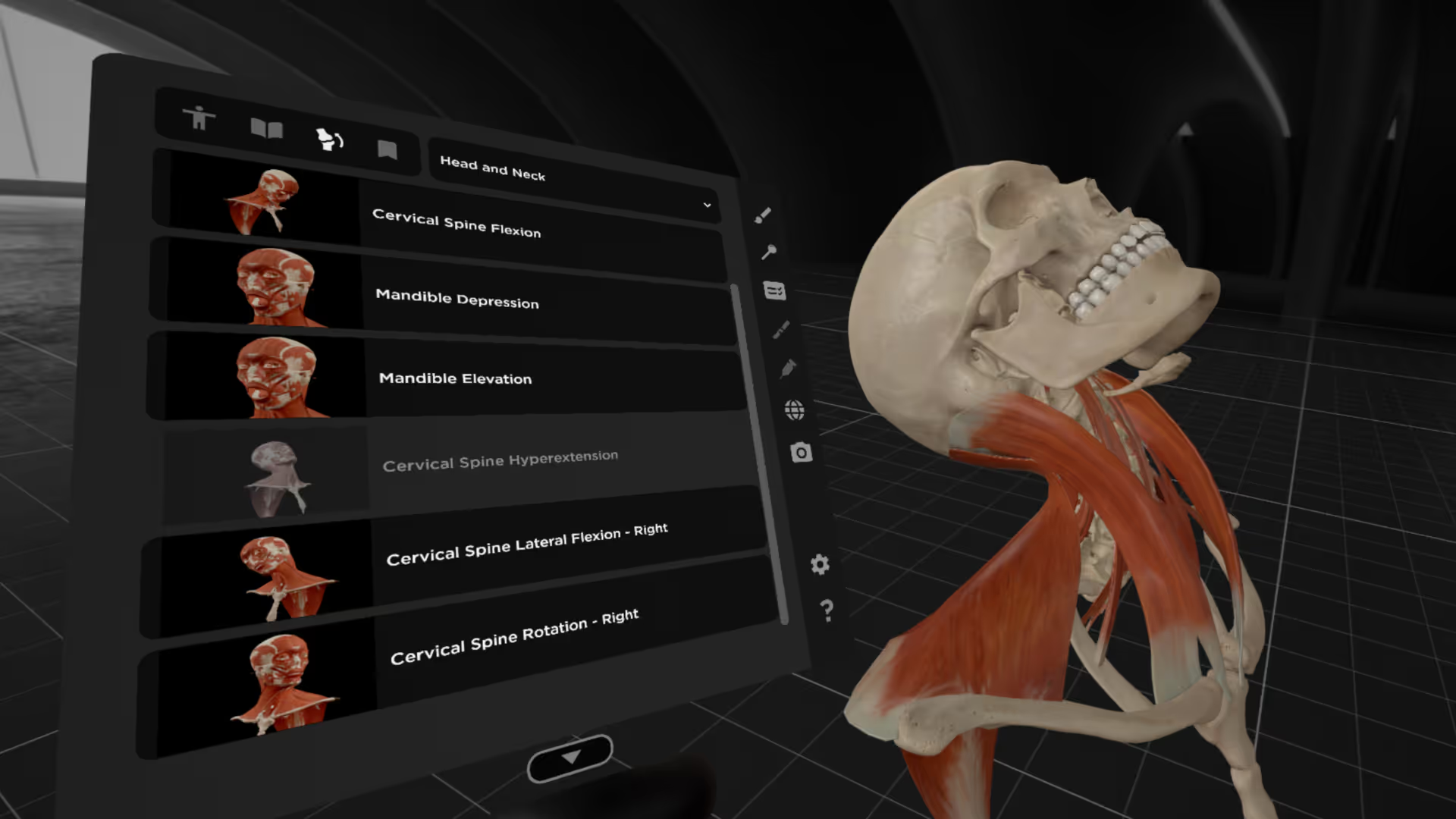
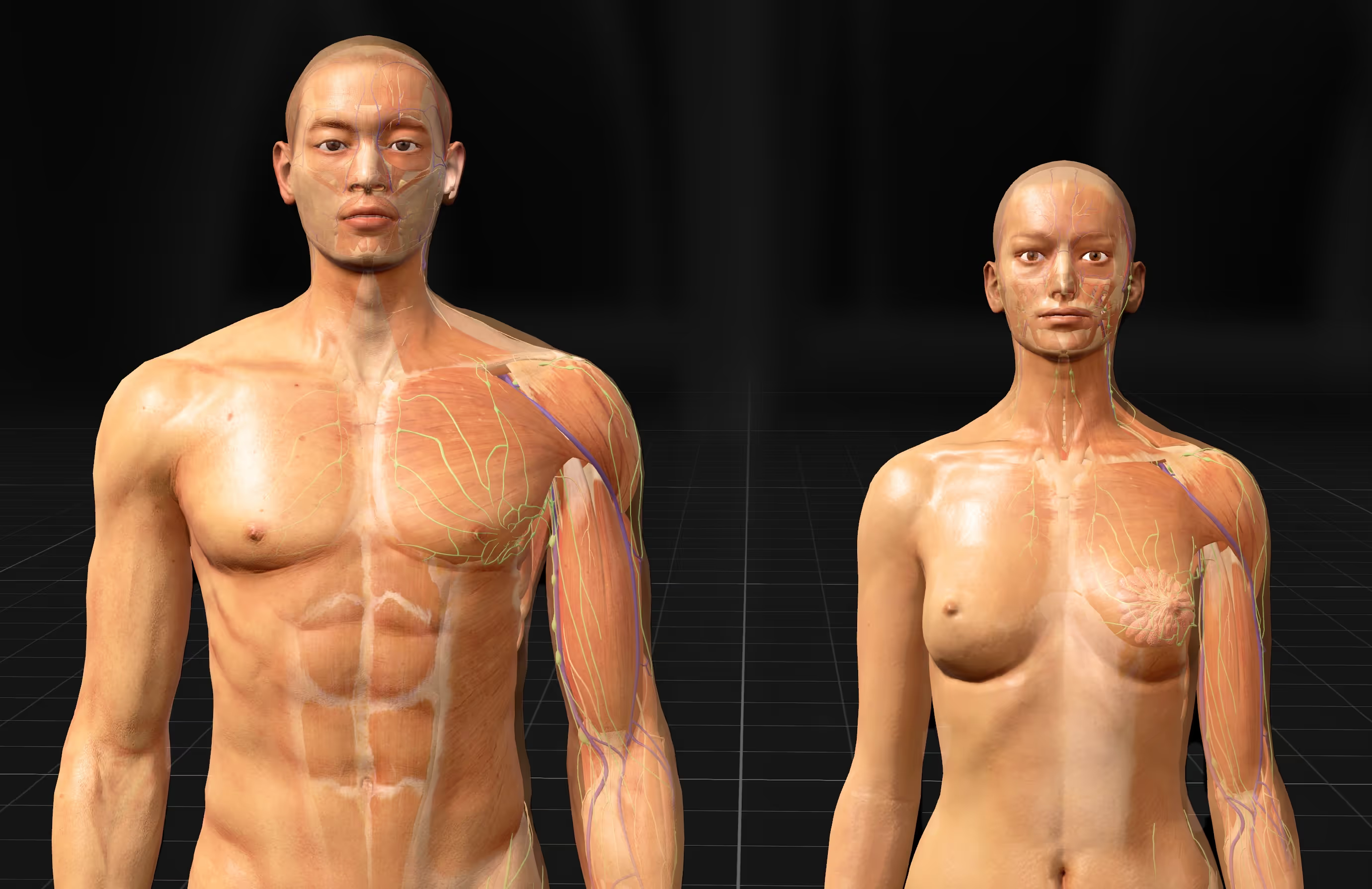
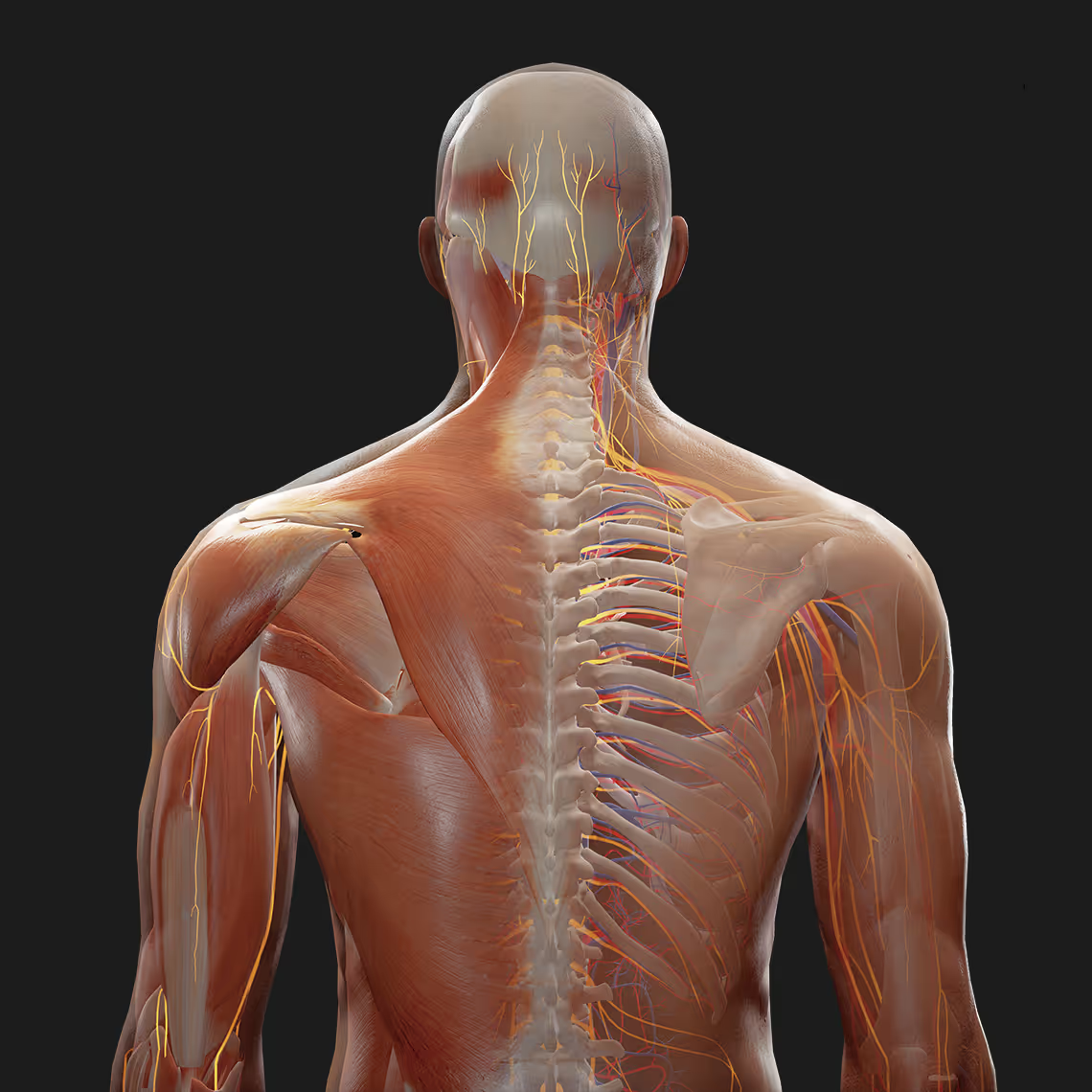
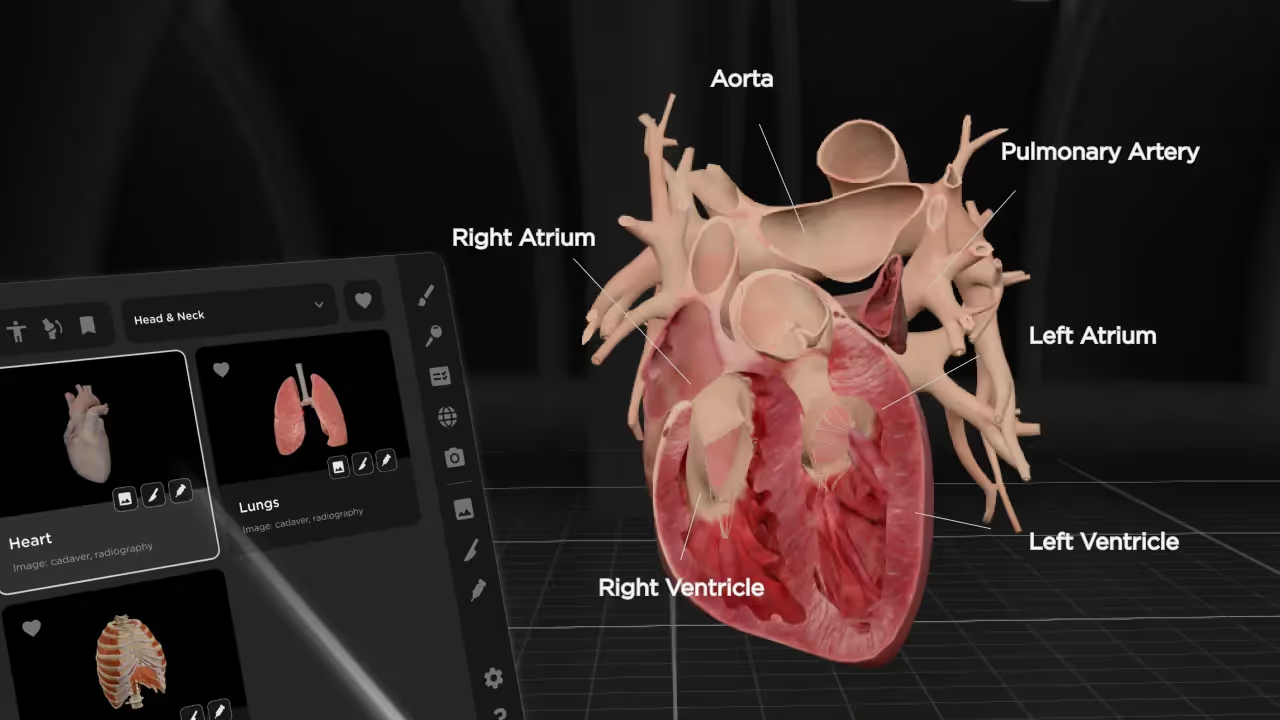
AcuMap fundamentally changes how students learn spatial relationships by placing them inside a fully interactive three-dimensional anatomical environment. Instead of looking at a flat diagram and imagining depth, students can rotate, scale, and manipulate a complete body model, viewing acupoints and meridian pathways from any angle. This eliminates the cognitive leap from 2D diagrams to 3D patient anatomy that challenges so many learners.
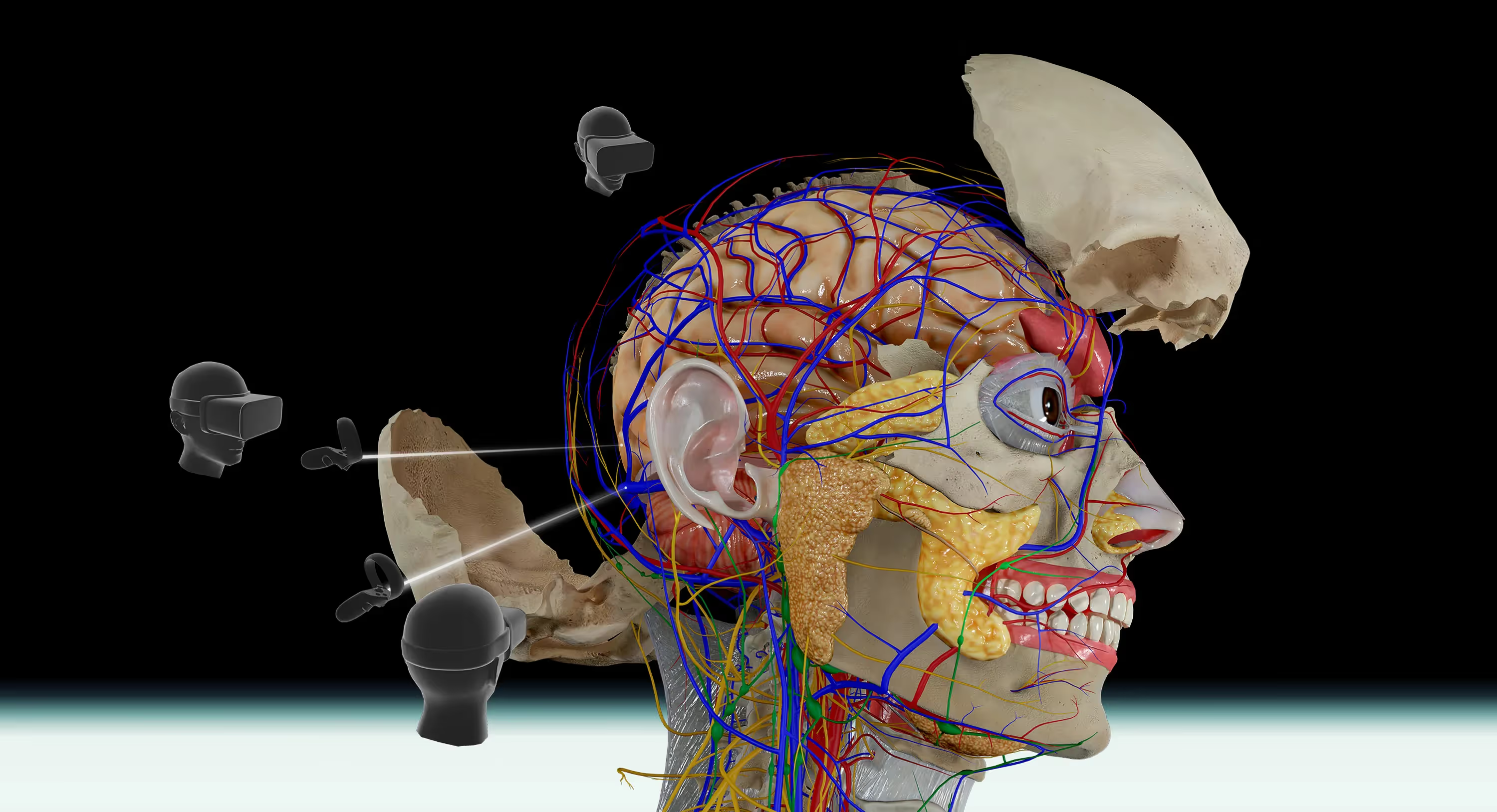
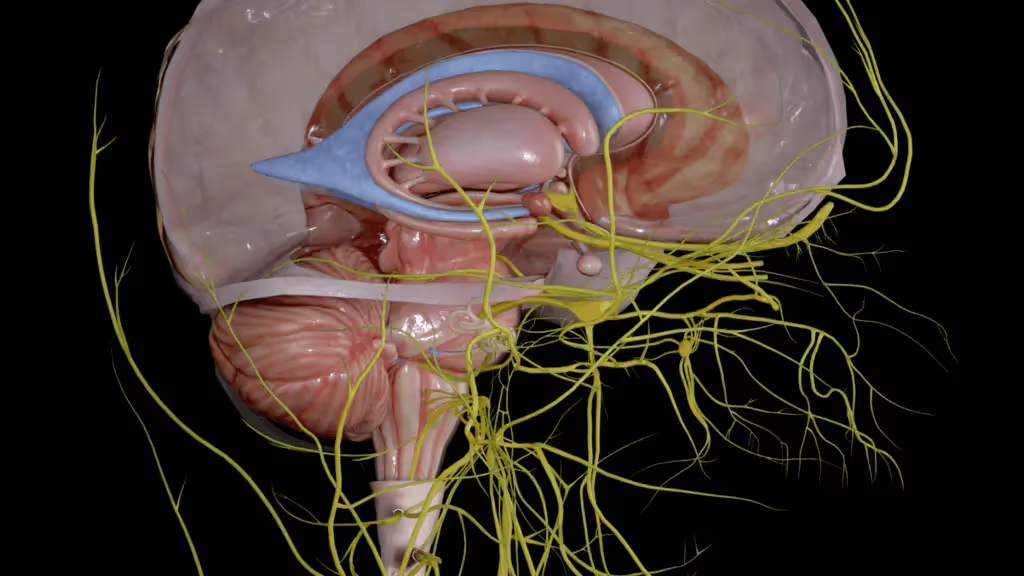
The platform's multi-layer visualization reveals how needles traverse tissue structures—showing not just where an acupoint is located on the surface, but what lies beneath. Students can see the relationship between an acupoint and underlying muscles, nerves, blood vessels, and organs. This anatomical integration helps them understand not just where to insert a needle, but why specific angles and depths are recommended for each point.
For TCM practitioners and licensed acupuncturists, this capability offers a powerful tool for refreshing anatomical knowledge and understanding the rationale behind classical needling techniques. For students, it provides the spatial context that textbooks simply cannot deliver, accelerating the development of the three-dimensional thinking essential for clinical practice.
Real-Time Needle Insertion Feedback: The Game-Changer
The acupuncture simulation module—detailed in Tutorial 4—represents AcuMap's most significant contribution to precision training. This is where theory becomes measurable skill.
When a student practices needle insertion in AcuMap, they receive immediate visual confirmation of their technique across three critical dimensions:
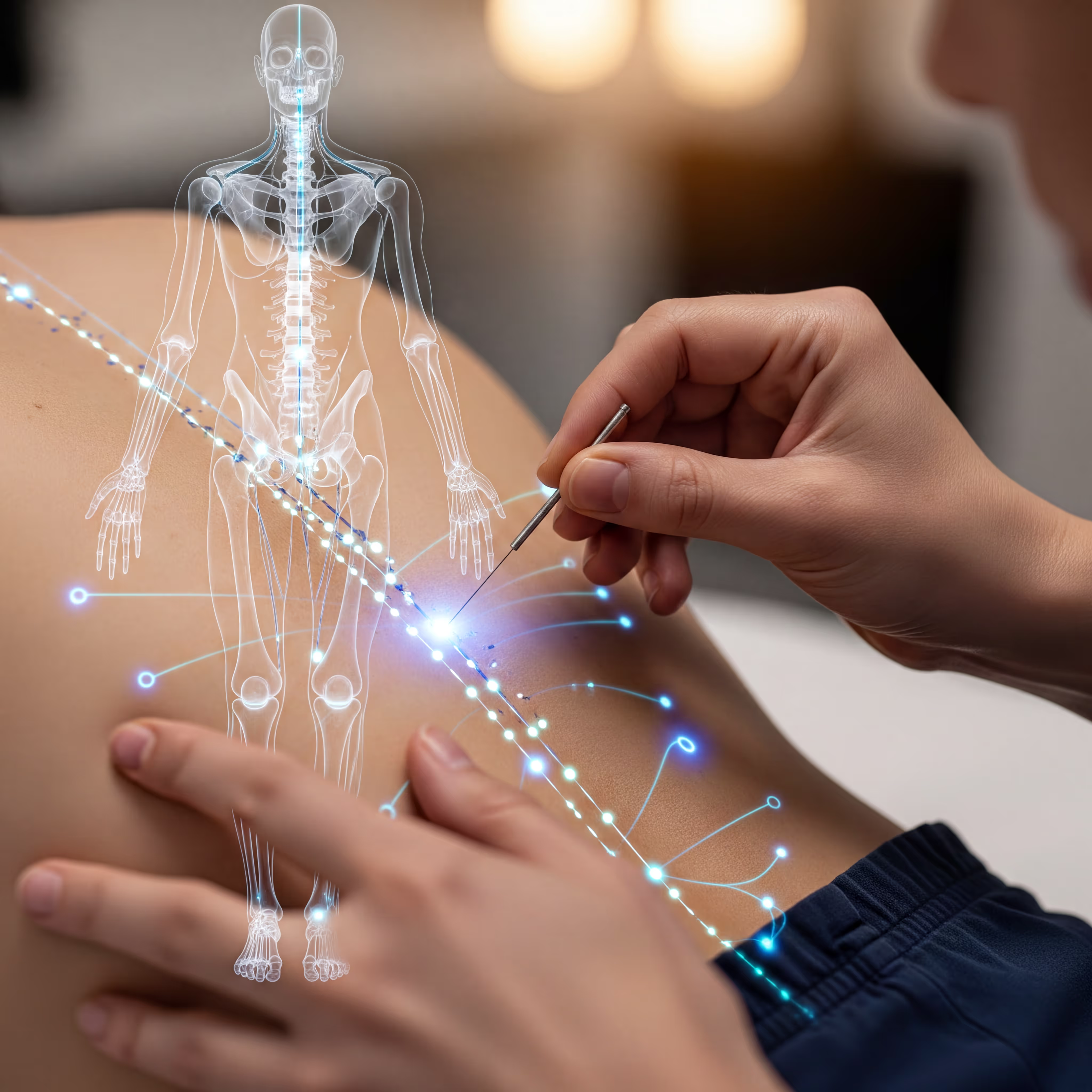
Angle Visualization shows the exact degree of needle insertion relative to the skin surface. If the recommended technique calls for perpendicular insertion and the student's angle deviates by even a few degrees, they see it instantly. This real-time feedback allows immediate self-correction, building muscle memory for proper angle control.
Depth Measurement tracks needle penetration depth in millimeters, ensuring students develop accurate depth perception. They can practice reaching the target depth without over-inserting—a skill that's difficult to develop with traditional models that provide no depth feedback.
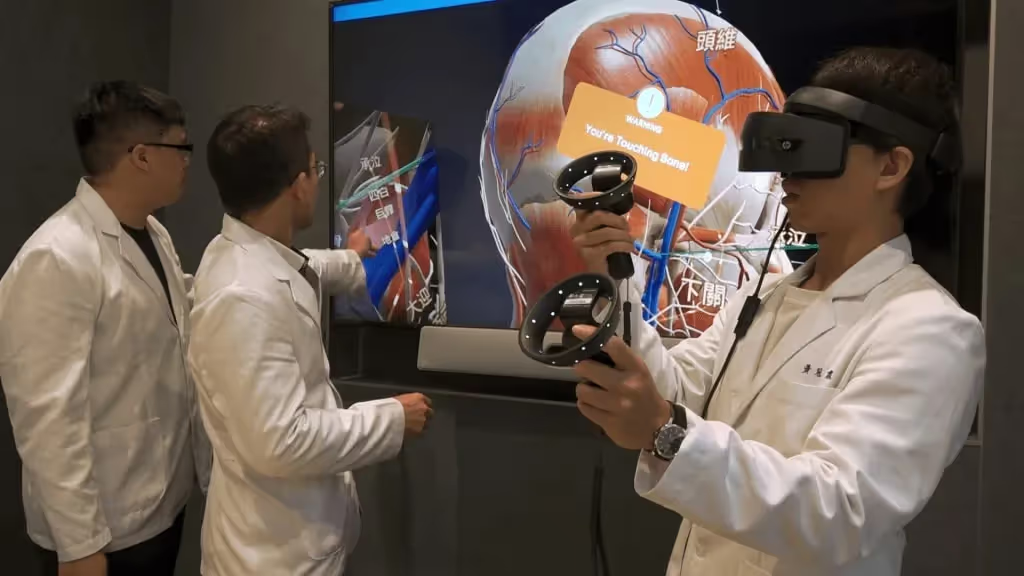
Insertion Pathway Display provides visual representation of the needle's trajectory through anatomical layers. Students see exactly which tissues the needle passes through, reinforcing safety awareness and helping them understand the therapeutic rationale for specific insertion techniques.
The power of this system lies in its unlimited repeatability. A student struggling with a complex point can practice it 20, 50, or 100 times, receiving consistent, objective feedback with each attempt. There's no material cost for needles or supplies, no patient safety concerns, no time pressure. Just focused, deliberate practice that builds genuine competency.
Risk-Free Mastery Development
Consider a second-year acupuncture student preparing to learn GB-20 (Fengchi), the point we discussed earlier. In traditional training, she might practice on a model a few times, watch her instructor demonstrate the technique, and then attempt her first patient insertion under supervision—all while knowing that incorrect angle or depth could potentially harm the patient.
In AcuMap, she takes a different path. She practices the point 50 times over two weeks, receiving immediate feedback when her angle deviates from the safe 0.5-1 cun perpendicular insertion. The real-time visualization shows her exactly how the needle should pass between the trapezius and sternocleidomastoid attachments, and how close the vertebral artery lies to the insertion pathway. She experiments with slight variations in angle and depth, seeing immediately how each change affects the needle's trajectory through tissue layers.
When she performs her first supervised patient insertion, her instructor notes her confidence and precision—skills developed through measurable, repeatable VR practice. The patient experiences minimal discomfort, and the student feels prepared rather than anxious. This is the practical impact of risk-free mastery development.
For licensed acupuncturists, this same capability enables technique refinement without patient involvement. A practitioner with 10 years of experience might discover through AcuMap practice that their needle insertion angle for certain points has drifted slightly from optimal technique over time. Thirty minutes of focused VR practice with depth visualization can correct years of subtle technical drift, potentially improving treatment outcomes.
Standardized Learning Experience
One of AcuMap's most valuable features for integrative medicine schools is its ability to deliver consistent, high-quality instruction regardless of instructor variability or campus location. Every student receives identical training content, uses the same interactive 3D models, and practices with the same simulation tools that provide the same objective feedback.
This standardization doesn't eliminate the value of individual instructors—it enhances it. Faculty can focus on clinical reasoning, point selection strategies, and patient interaction skills, knowing that all students have access to consistent technical training and objective competency assessment. Programs can document student progress using precise angle and depth measurements, creating clear records for accreditation requirements and institutional quality assurance.
For students, standardization means clarity. They know exactly what technical standards they need to meet, can track their progress objectively, and can be confident that their training prepares them for real-world practice regardless of which instructor they work with or which campus they attend.
Integrated Learning: Connecting Theory to Technique
The Flashcard System: Clinical Context for Every Point
Technical precision without clinical knowledge creates technicians, not practitioners. AcuMap's flashcard system—highlighted in Tutorial 5—ensures students develop comprehensive competency by integrating theoretical knowledge with practical skill development.
Each acupoint in the system includes detailed information cards covering traditional indications and functions, anatomical location with precision landmarks, needling depth and angle specifications, contraindications and safety considerations, and clinical applications and point combinations. This means students don't just practice inserting needles—they learn why they're inserting them, what therapeutic effects to expect, and when to avoid using specific points.
This integrated approach creates clinically-ready practitioners who can make informed treatment decisions, not just execute needle insertion techniques. A student practicing ST-36 (Zusanli) in simulation mode simultaneously learns its role in strengthening digestion, boosting immunity, and tonifying Qi—connecting the physical act of needling with the therapeutic intention behind it.
Meridian Pathway Exploration
Understanding individual acupoints is essential, but expert practitioners think in terms of meridian systems and point relationships. AcuMap's comprehensive meridian menu allows students to study complete channel pathways, visualizing how Qi flows through the body and how points relate to each other within channel networks.
This systematic approach helps students develop the pattern recognition skills essential for clinical practice. They learn to see the body not as a collection of isolated points, but as an integrated system of energetic pathways. When they encounter a patient with a complex presentation, they can draw on this systematic understanding to design effective treatment strategies.
For TCM practitioners seeking continuing education, meridian pathway exploration offers opportunities to deepen understanding of channel theory and discover new clinical applications for familiar points. The ability to visualize meridian flow in three dimensions, with anatomical structures simultaneously displayed, can reveal insights that years of clinical practice might not provide.
Creating Clinically-Ready Practitioners
The ultimate goal of acupuncture education isn't just technical proficiency—it's the ability to deliver safe, effective patient care. AcuMap supports this goal by ensuring students develop technical skills and theoretical knowledge simultaneously, understand the clinical reasoning behind specific techniques, and are prepared for real-world decision-making from their first patient encounter.
Consider how this plays out in a practical scenario: Dr. Chen, an acupuncture program director, uses AcuMap's Online Class module to conduct a live workshop on scalp acupuncture for 30 students across three campus locations. During the 90-minute session, students simultaneously practice the Motor Area line insertion technique in VR while Dr. Chen demonstrates proper 15-degree angle and 0.5-1.5 cun depth in real-time.
Students receive immediate feedback on their technique, and Dr. Chen can observe each student's metrics remotely, providing individualized corrections. The flashcard system provides clinical context for each scalp zone, explaining indications for stroke rehabilitation, motor dysfunction, and paralysis. Post-workshop assessment shows 94% of students achieved competency benchmarks—compared to 67% in previous years using traditional demonstration methods.
This is integrated learning in action: technical skill development, theoretical knowledge, clinical application, and expert instruction combined in a single, efficient educational experience.
Collaborative Learning and Global Knowledge Exchange
The Online Class Module: Breaking Geographic Barriers
Traditional acupuncture education often feels isolating, especially for distance learners or students in programs with limited faculty expertise in specialized techniques. AcuMap's Online Class module—detailed in Tutorial 7—transforms this dynamic by creating virtual classroom environments where students and practitioners worldwide can learn together in real-time.
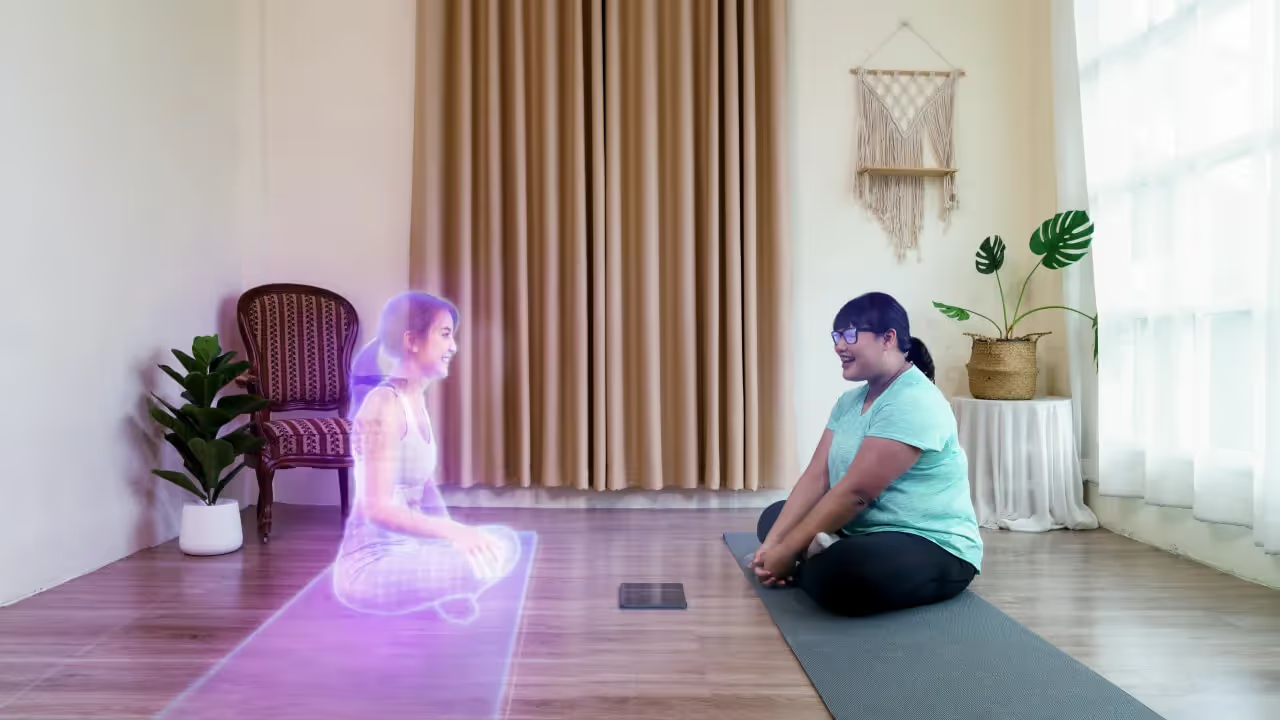
The platform supports live, interactive instruction including lectures, technique workshops, case study discussions, and clinical seminars. A student in rural Montana can participate in a workshop led by a master practitioner in Beijing, practicing techniques in VR while receiving the same quality instruction as students physically present in the instructor's classroom. Geographic barriers disappear, democratizing access to expert knowledge.
For integrative medicine schools, this capability enables delivery of consistent practical instruction to distance learning students, hosting of guest lectures from international experts without travel costs, facilitation of inter-campus collaboration and standardized curriculum delivery, and provision of flexible learning options for working professionals in certificate programs.
Benefits Across Learning Contexts
The collaborative learning features serve different audiences in distinct but complementary ways.
Acupuncture students gain access to expert instruction beyond their local faculty's expertise, peer learning opportunities with students from diverse educational backgrounds, flexible study schedules accommodating work and family commitments, and the ability to build a global professional network from day one of their training. A student specializing in sports medicine acupuncture can connect with others pursuing the same specialty, sharing techniques and clinical insights that enrich everyone's education.
TCM practitioners and licensed acupuncturists use the online class module for continuing education credits without travel time or expense, technique refinement workshops with master practitioners, case discussion forums for complex clinical scenarios, and professional community engagement. A practitioner interested in advancing their auricular acupuncture skills can attend a specialized workshop, practice the techniques in VR with real-time feedback, and then implement those refined skills in their practice the next day.
Integrative medicine schools benefit from the ability to differentiate their programs through innovative education delivery, scale practical training across multiple locations, bring diverse expert perspectives to their students, and create learning communities that extend beyond graduation. Alumni can continue participating in workshops and study groups, maintaining connection with their educational institution and staying current with evolving best practices.
From Isolation to Community
The shift from isolated learning to connected community represents a fundamental change in acupuncture education. Students who might otherwise feel alone in their studies find peer accountability and motivation through collaborative practice sessions. Practitioners who work in solo practices gain exposure to diverse clinical perspectives and cultural approaches to TCM. Faculty members can collaborate with colleagues at other institutions, sharing curriculum innovations and teaching strategies.
This community dimension enhances learning outcomes in ways that go beyond technical skill development. Students learn to articulate their clinical reasoning, defend their treatment choices, and consider alternative approaches—all essential skills for professional practice. The global nature of the community exposes learners to different styles of acupuncture practice, from traditional Chinese approaches to Japanese, Korean, and contemporary Western integrative methods.
Measurable Outcomes: From Practice to Proficiency
Objective Competency Assessment
AcuMap's precision measurement capabilities transform competency assessment from subjective instructor judgment to objective data analysis. The system tracks precise angle measurements in degrees from perpendicular, exact depth tracking in millimeters of insertion, repetition counts and practice time documentation, progress across multiple practice sessions, and data-driven identification of areas needing additional focus.
For students, this means clear feedback on their development. Instead of wondering whether they've achieved competency, they can see objective evidence of their progress. A student who initially struggles to maintain consistent needle angles can track their improvement over weeks of practice, watching their angle variance decrease as muscle memory develops.
For schools, objective assessment provides documentation for accreditation requirements, enables identification of curriculum areas that need strengthening, and supports evidence-based program improvement. If data shows that students consistently struggle with certain point categories or needling techniques, faculty can adjust instruction to address those specific challenges.
Accelerated Learning Curves
Research in VR-based medical education consistently demonstrates that immersive simulation accelerates skill acquisition compared to traditional methods. AcuMap users experience this acceleration through reduced time from introduction to competency demonstration, higher confidence levels when transitioning to patient care, improved retention of spatial relationships and technical details, and fewer technical errors during early clinical practice.
The acceleration comes from several factors: unlimited practice opportunities without material or time constraints, immediate feedback that enables rapid self-correction, risk-free environment that reduces performance anxiety, and immersive visualization that enhances spatial understanding. A student might need 20 supervised patient treatments to develop confident needle insertion technique using traditional methods, but achieve the same confidence level after extensive VR practice and just 5-10 supervised patient treatments.
Clinical Translation: VR Skills to Patient Care
The critical question for any educational technology is whether skills developed in simulation transfer to real-world performance. For AcuMap, the evidence is compelling. Muscle memory developed through repeated VR practice transfers directly to physical needle manipulation. The hand-eye coordination, depth perception, and angle control students develop in the virtual environment carry over seamlessly to clinical settings.
Spatial awareness and depth perception improvements are particularly notable. Students who practice extensively in AcuMap's three-dimensional environment develop superior ability to visualize anatomical relationships and judge needle depth—skills that directly impact patient safety and treatment effectiveness. They experience reduced performance anxiety during early patient encounters because they've already performed the technique successfully dozens or hundreds of times, even if those performances were in VR.
The result is fewer technical errors, greater patient safety, improved treatment outcomes, and increased practitioner confidence—the ultimate measures of educational effectiveness.
Institutional Benefits
For integrative medicine schools considering AcuMap adoption, the institutional benefits extend beyond improved student outcomes. The platform reduces need for expensive cadaver labs and physical models, enables scalable practical training without space or supply constraints, provides documented student competency for accreditation requirements, differentiates curriculum to attract tech-savvy students, and improves program outcomes and graduate success rates.
The return on investment comes not just from cost savings, but from enhanced program reputation and student satisfaction. Schools that embrace innovative educational technology position themselves as forward-thinking institutions preparing students for modern integrative healthcare practice. This differentiation can be decisive in attracting high-quality applicants and securing enrollment in an increasingly competitive educational landscape.
Getting Started with AcuMap: Accessibility and Implementation
Platform Flexibility and Intuitive Design
One of the most common concerns about VR-based education is accessibility—both in terms of cost and technical complexity. AcuMap addresses both concerns through platform flexibility and intuitive design.
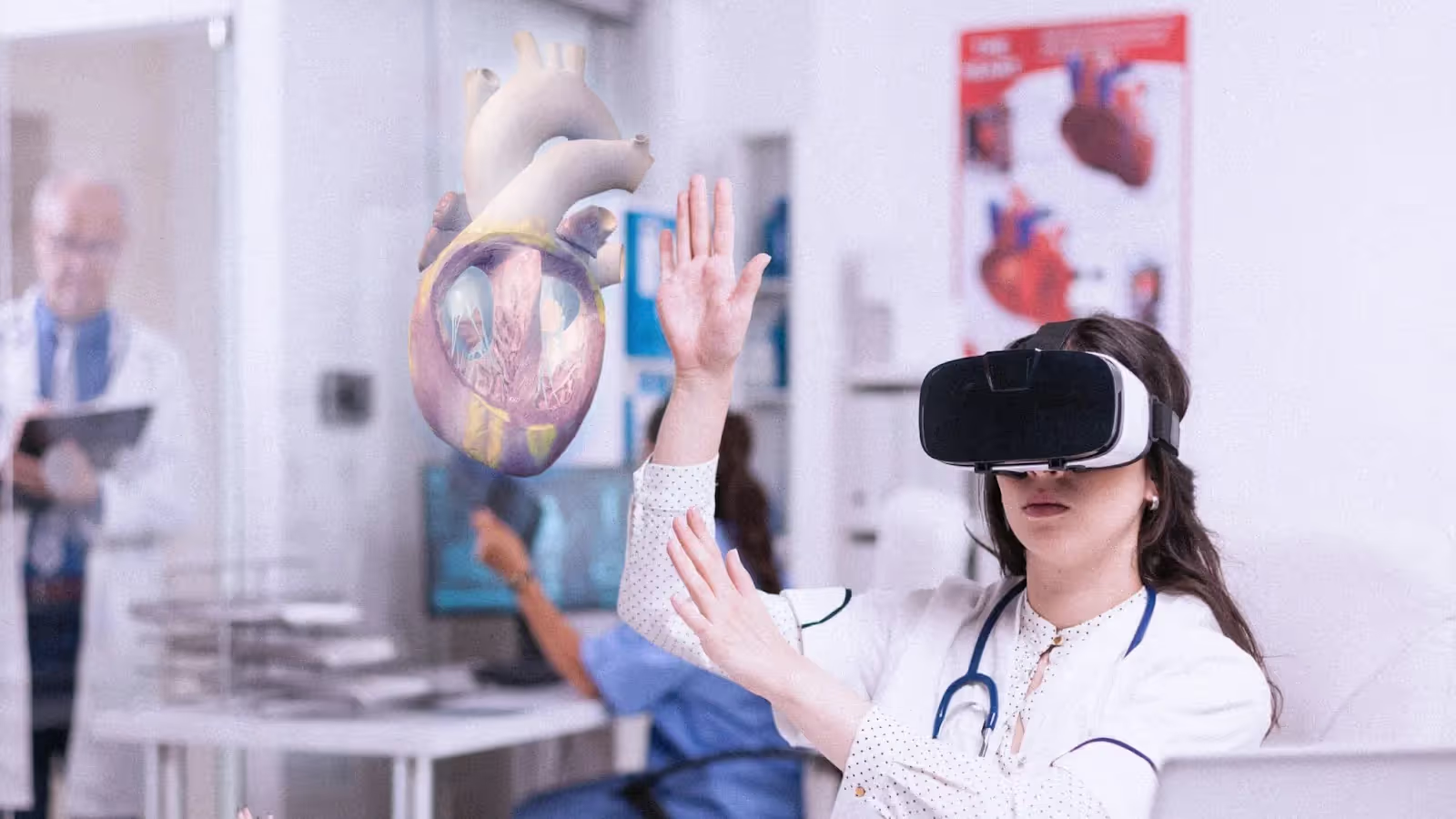
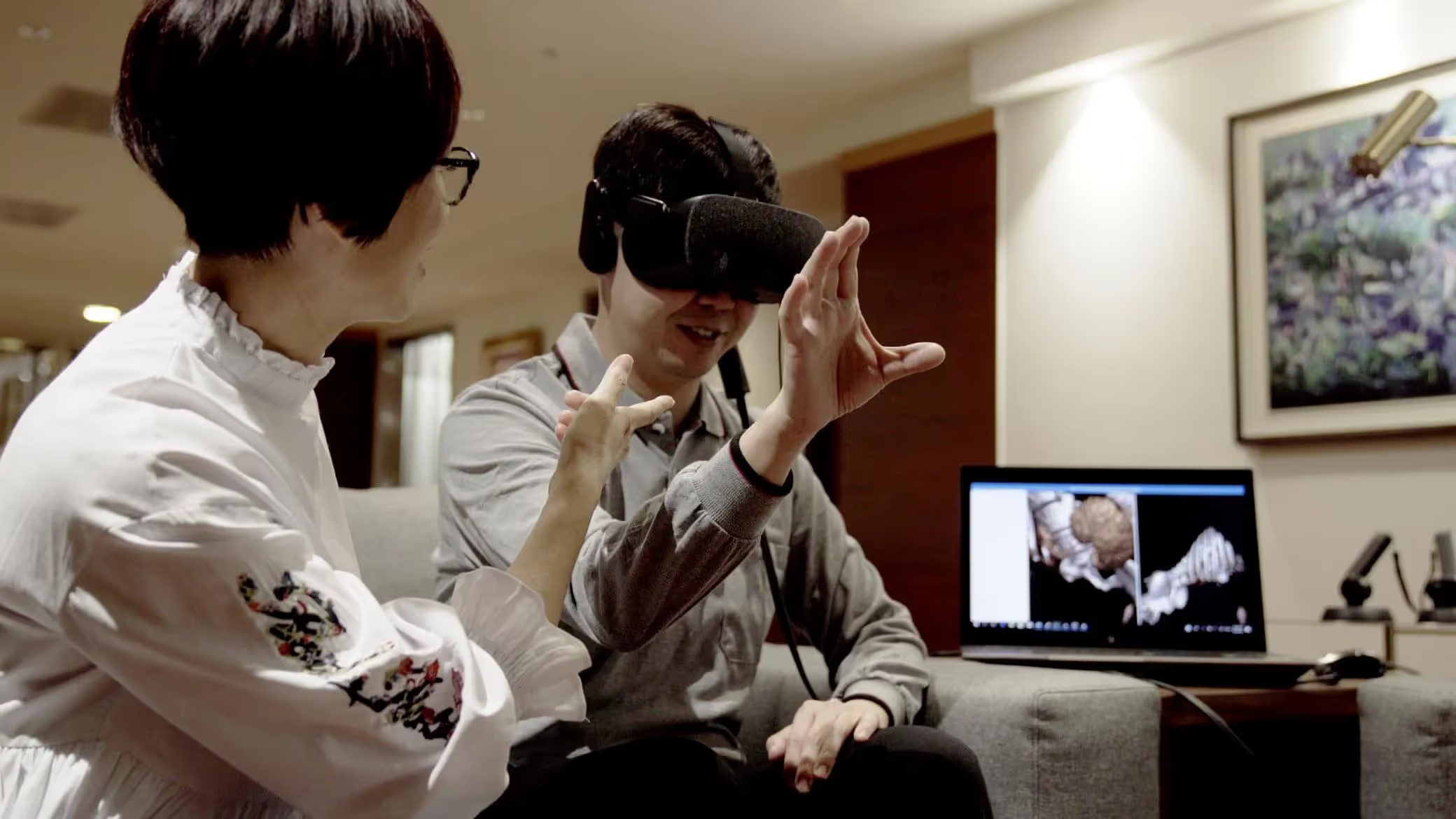
The system supports standalone VR devices like the Meta Quest series, offering portability and affordability for individual students and small programs. It also works with PC VR systems like HTC Vive and Valve Index for institutions building dedicated VR labs. There's no need for expensive, dedicated VR rooms or complex technical infrastructure. A student can use AcuMap in their apartment with a consumer VR headset; a school can implement it in a standard classroom with minimal setup.
Tutorial 3 demonstrates the gesture-based control system that makes AcuMap accessible even to VR-inexperienced users. Natural hand gestures enable intuitive navigation through the VR environment. The learning curve for the technology itself is minimal, allowing users to focus on content mastery rather than struggling with controls. The comprehensive toolbar provides access to all exploration and analysis features without overwhelming users with complexity.
Implementation Pathways
For integrative medicine schools, implementation can begin with pilot programs involving small student cohorts, allowing faculty to gain familiarity with the platform and assess its impact before full-scale adoption. MAI provides faculty training and curriculum integration support, helping instructors understand how to incorporate VR-based learning into existing courses. Licensing scales with program growth, making AcuMap accessible for both small certificate programs and large degree-granting institutions. Technical support and ongoing platform updates ensure schools always have access to the latest features and content.
For individual practitioners and students, the pathway is even simpler. Affordable individual subscriptions provide immediate access to the full content library. Self-paced learning accommodates busy schedules, with optional participation in live classes when time permits. The platform works with consumer VR headsets that many people already own or can purchase affordably, eliminating the need for specialized equipment.
The MAI Advantage
What distinguishes AcuMap from other educational technologies is MAI's commitment to advancing healthcare education through research-backed, continuously improved immersive learning tools. The platform benefits from partnerships with medical schools and healthcare institutions, ensuring content remains current with evolving best practices. Continuous updates add new features and content based on user feedback and educational research. Responsive customer support and an engaged user community provide assistance and shared learning opportunities.
MAI's expertise in both medical education and immersive technology means AcuMap isn't just a VR application—it's a comprehensive educational platform designed specifically for the needs of acupuncture and TCM training. Every feature reflects deep understanding of how practitioners learn, what challenges they face, and what tools they need to achieve mastery.
Conclusion
Precision in acupuncture isn't just about technical skill—it's about patient safety, therapeutic effectiveness, and professional confidence. The difference between good acupuncture and great acupuncture often comes down to millimeters and degrees. AcuMap makes those critical measurements visible, teachable, and masterable.
For integrative medicine schools, AcuMap offers a scalable, standardized solution for practical training that reduces costs, improves outcomes, and meets modern accreditation standards while attracting students who expect technology-enhanced education. The platform enables consistent curriculum delivery across multiple instructors and locations, provides objective competency assessment, and differentiates programs in an increasingly competitive educational landscape.
For acupuncture students, the platform accelerates learning curves, builds genuine confidence through measurable skill development, and prepares learners for clinical practice with precision and safety awareness that traditional methods cannot match. The unlimited practice opportunities, immediate feedback, and risk-free environment create optimal conditions for mastery development.
For TCM practitioners, AcuMap provides accessible continuing education that refines technique, expands clinical capabilities, and connects practitioners with a global community committed to excellence. The ability to practice complex or high-risk points without patient involvement, combined with access to expert instruction from master practitioners worldwide, supports lifelong professional development.
For licensed acupuncturists, the platform reinforces safety protocols, enables specialty technique mastery, and offers convenient professional development that fits practice schedules while maintaining the highest standards of technical precision. Whether refreshing fundamental skills or learning advanced techniques, practitioners find AcuMap's precision training capabilities invaluable for maintaining and enhancing clinical competency.
As integrative medicine continues its growth in mainstream healthcare, the acupuncture profession must demonstrate measurable competency and evidence-based practice. AcuMap represents more than just innovative technology—it's a commitment to advancing the profession through precision, safety, and accessible excellence in education. The platform addresses fundamental challenges that have limited acupuncture education for generations, providing tools that were previously impossible: measurable, repeatable, risk-free practice with immediate feedback on the most critical technical elements of needle insertion.
Whether you're educating the next generation of practitioners, refining your own clinical skills, or building a modern acupuncture program, precision training is no longer optional—it's the foundation of professional excellence. AcuMap transforms precision from an aspirational goal to an achievable, measurable outcome.
Discover how AcuMap can transform your approach to acupuncture training. Explore the platform, experience the precision, and join the future of acupuncture education.
For Schools and Institutions: Request a personalized AcuMap demonstration for your faculty and see how VR technology can enhance student outcomes, streamline practical training, and differentiate your curriculum. Contact our education team to schedule your institutional demo and learn about implementation pathways tailored to your program's needs.
For Students and Practitioners: Start your free trial of AcuMap today and practice needle insertion technique with real-time angle and depth feedback. Join thousands of students and practitioners worldwide who are mastering acupuncture precision through immersive VR. Experience firsthand how measurable practice transforms confidence and competency.
For Continuing Education: Explore our calendar of expert-led acupuncture workshops covering advanced techniques, specialty points, and clinical applications. Earn continuing education credits from the comfort of your practice or home while connecting with a global community of practitioners committed to excellence.
The future of acupuncture education is precise, measurable, and accessible. Welcome to AcuMap.
About AcuMap
MAI builds BodyMap and AcuMap, an all-in-one VR and MR platform for learning human anatomy and acupuncture. The company offers highly detailed, interactive 3D body models that help students, instructors, and clinicians understand spatial relationships that are hard to grasp with traditional textbooks and static models. Their solutions are research-backed, with medical school partners reporting strong student preference and improved confidence when learning via VR. MAI focuses on making anatomy and acupuncture training more accessible by removing the need for cadaver labs and physical models, while supporting modern VR headsets like Meta Quest and HTC Vive devices.
Ready to enhance your precision acupuncture training?
Explore Our Tutorials: Learn more about AcuMap's capabilities at https://www.mai.ai/acumap-tutorials
This article was created to support Traditional Chinese Medicine practitioners, acupuncturists, integrative medicine schools, and acupuncture students in their journey toward precision-based practice.
Begin your VR anatomy journey today, sign up for a 7-day free trial.
Future of MedTech
Learn how to navigate the 3D model and utilize the tools to master human anatomy—all in one place.
.jpeg)
.avif)

.avif)
.avif)



The Benefits of Acupuncture for Pain Relief

The Importance of Regular Exercise for Mental Health
The Benefits of Meditation for Stress Reduction
The Importance of a Balanced Diet for Overall Health
The Benefits of Yoga for Mind and Body
The Benefits of Meditation for Stress Reduction