
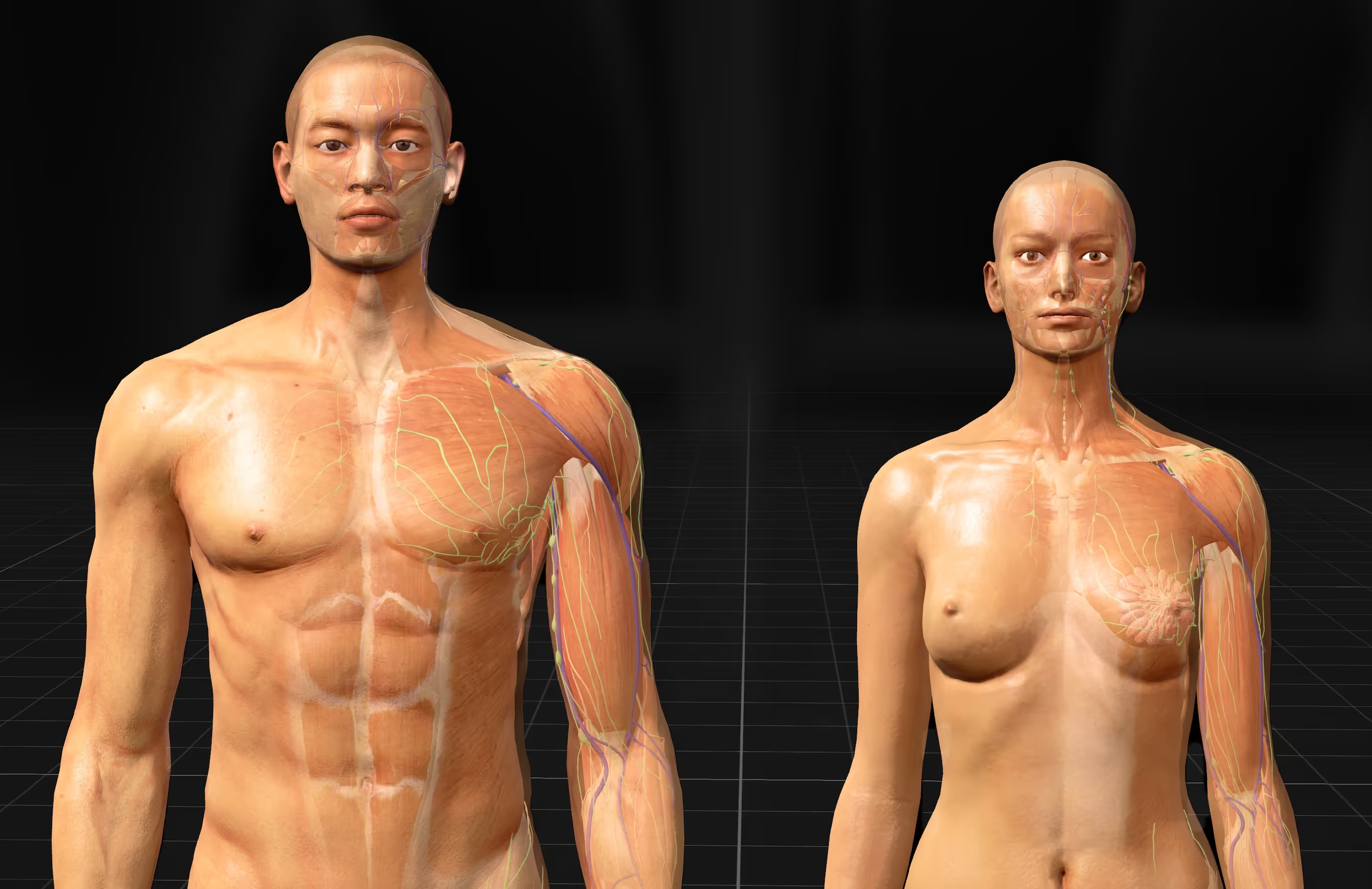
Learning anatomy from flat diagrams is a bit like trying to understand a city by looking at postcards. You get the general idea, but the moment you need to navigate the real thing—finding how one structure connects to another, or why a nerve takes a particular path—the limitations become obvious.
Accurate 3D body models solve this problem by placing anatomically verified structures in their correct spatial relationships, giving students and practitioners a way to explore the human body as it actually exists. This article covers what makes a 3D model truly accurate, why that accuracy matters for clinical training, and how immersive VR technology is changing the way medical and acupuncture students learn anatomy.
What makes a 3D body model anatomically accurate
An accurate 3D body model faithfully represents human structures in their correct positions, proportions, and relationships to one another. Think of it like the difference between a rough sketch of a building and a detailed architectural blueprint—both show the same thing, but only one gives you the precise measurements and spatial relationships you'd actually rely on.
So what separates an accurate model from an inaccurate one? It comes down to a few key criteria:
- Verified anatomical data: The model draws from medical imaging, cadaver studies, or peer-reviewed anatomical references rather than artistic interpretation
- True-to-life spatial relationships: Structures sit in their correct positions relative to neighboring organs, vessels, and nerves
- Proportional accuracy: Organs and tissues appear at realistic sizes, not exaggerated for visual effect
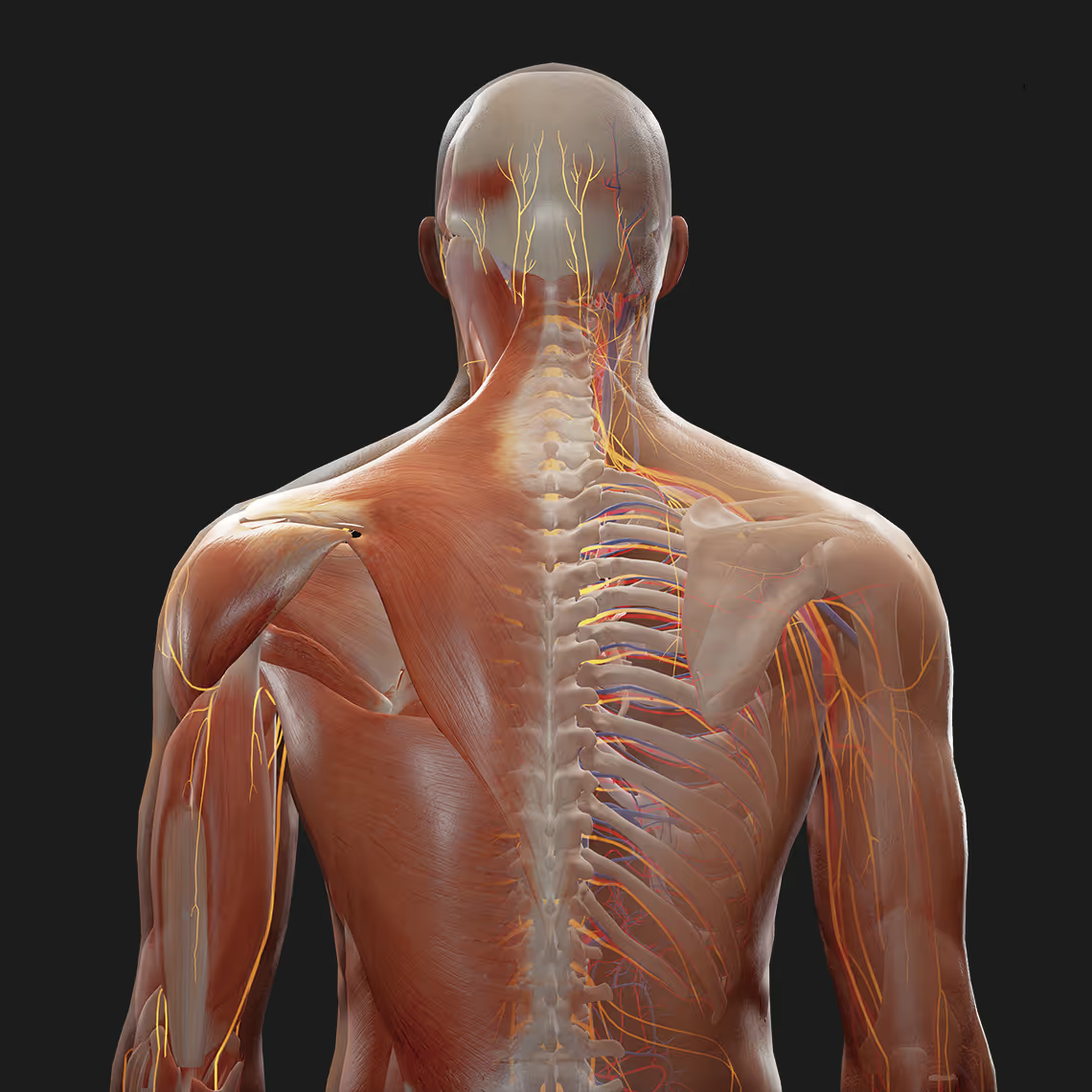
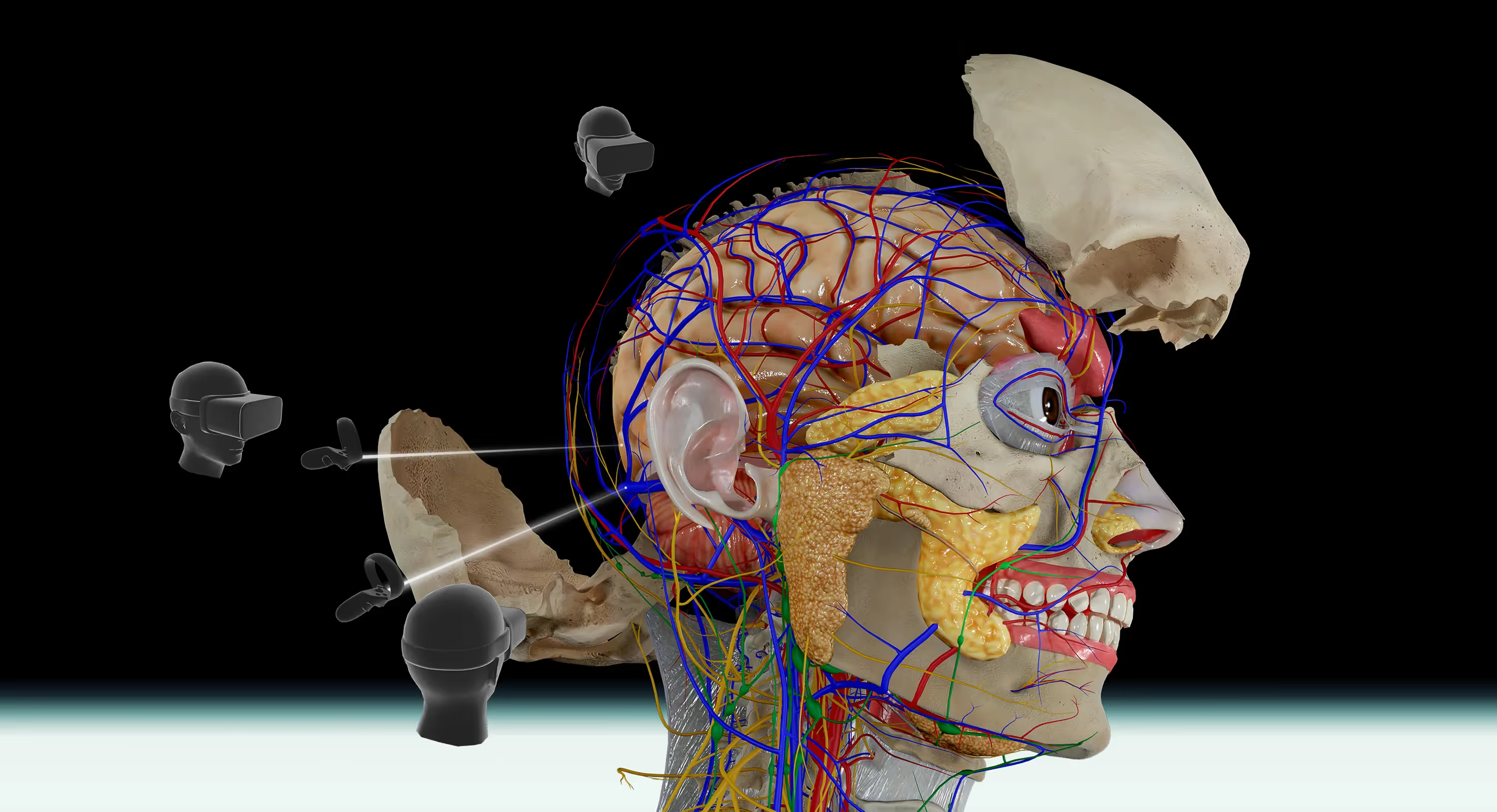
- Structural completeness: Fine details like small nerve branches, minor blood vessels, and connective tissues are included
A model that looks impressive but places the brachial plexus in the wrong location could actually harm a student's learning. The goal isn't visual appeal—it's clinical utility.
Why anatomical accuracy matters for medical students
Learning from an inaccurate model is a bit like memorizing a map with the streets in the wrong places. You might feel confident until you actually try to navigate the real thing.
When students study anatomy, they're building mental models they'll rely on throughout their careers. A surgeon identifying structures during an operation, a nurse locating a vein for an IV, an acupuncturist placing a needle—all depend on accurate spatial knowledge formed during training. Students trained on accurate models can identify real structures during procedures without confusion, while those who learned from flawed references often struggle to reconcile what they memorized with what they see in front of them.
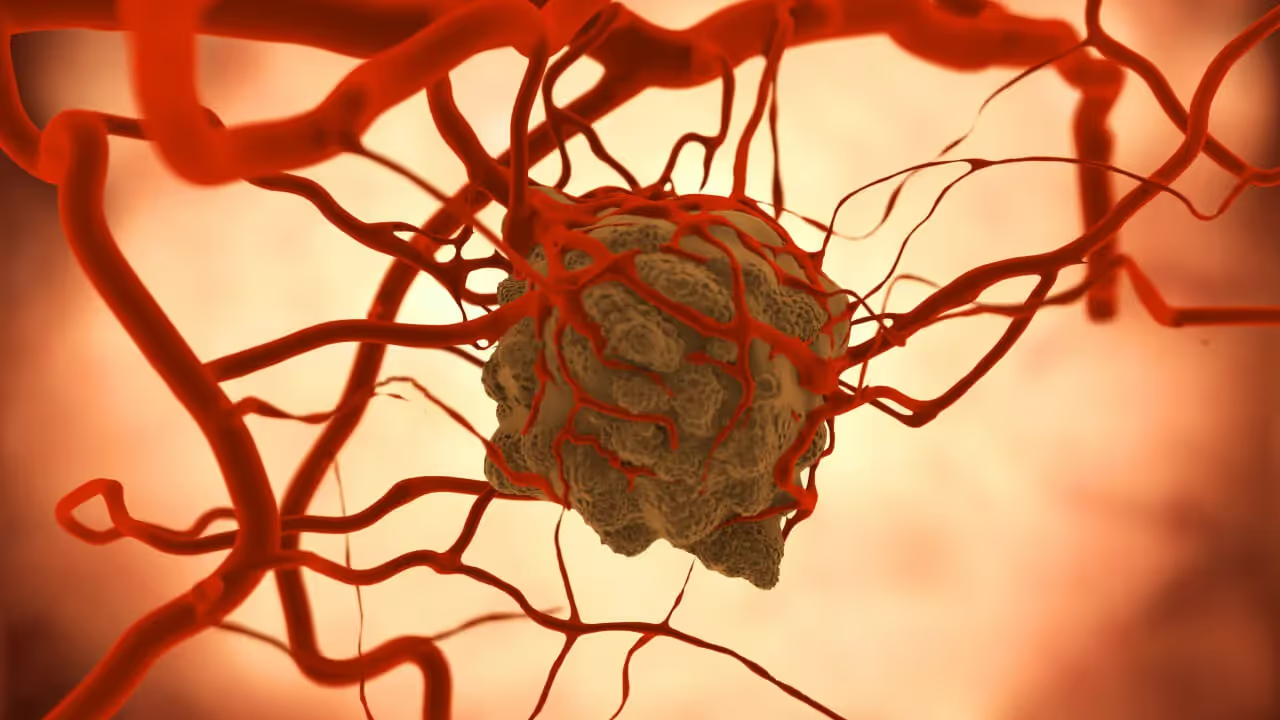
Correct positioning also helps learners grasp how organs relate to one another. Why might a tumor in one location compress a nearby nerve? Why does inflammation in the abdomen sometimes cause shoulder pain? Accurate spatial relationships make these connections clear.
Anatomical systems included in detailed 3D body models
Comprehensive 3D anatomy platforms cover all major body systems, allowing students to explore the body as an integrated whole rather than isolated parts. Here's what each system typically includes.
Skeletal system
Bones, joints, cartilage, and bony landmarks form the structural framework of the body. Landmarks like the anterior superior iliac spine or the mastoid process serve as reference points for locating deeper structures during physical exams and procedures.
Muscular system
Skeletal muscles, tendons, and their attachment points—called origins and insertions—show how movement occurs. Seeing muscle layers helps explain why certain injuries produce specific symptoms and why some movements become limited after damage to particular structures.
Cardiovascular system
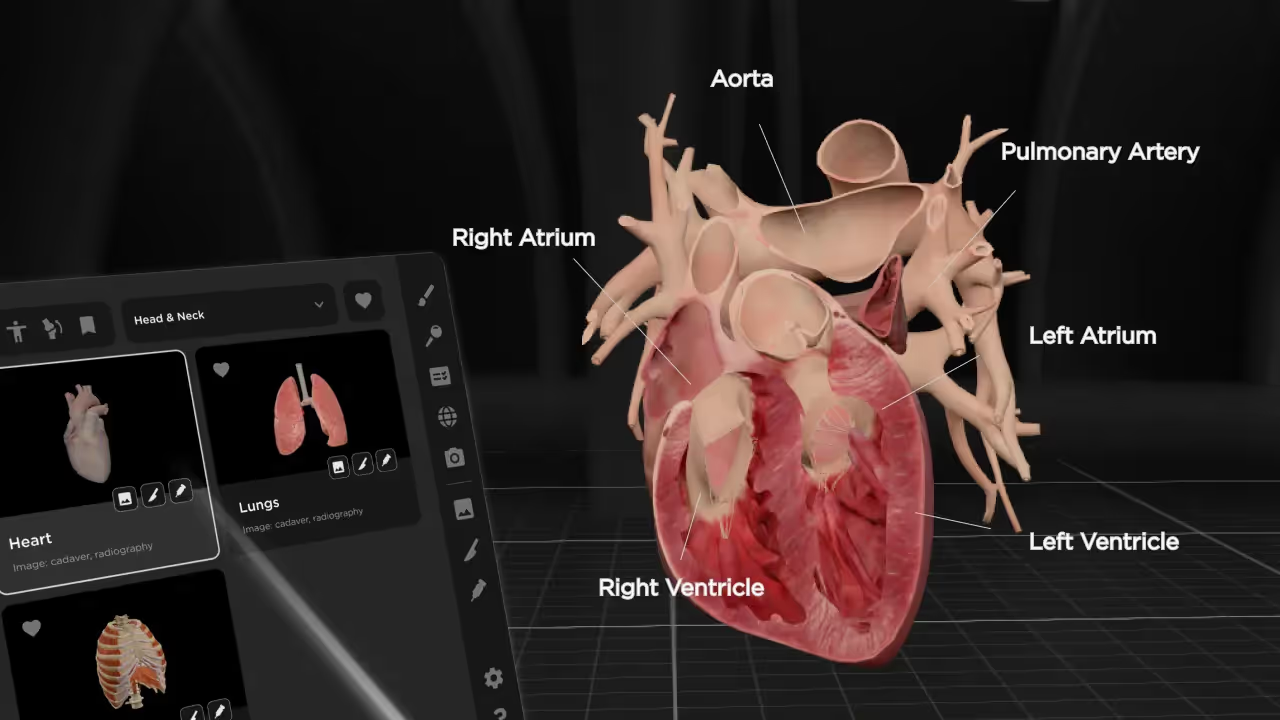
Heart chambers, major arteries, veins, and smaller vessels demonstrate how blood circulates throughout the body. Seeing the coronary arteries wrap around the heart, for example, clarifies why blockages in different locations produce different outcomes for patients.
Nervous system
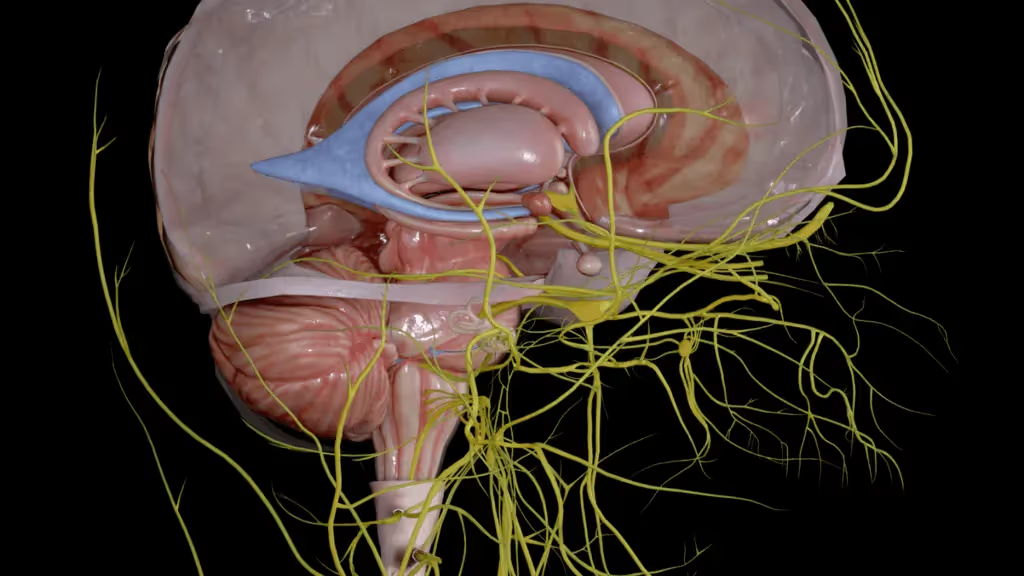
The brain, spinal cord, peripheral nerves, and autonomic pathways reveal the body's communication network. Tracing a nerve from its origin to its endpoint helps students understand referred pain patterns—why a heart attack might cause arm pain, or why a herniated disc in the lower back can cause numbness in the foot.
Digestive system
From the oral cavity through the intestines, plus accessory organs like the liver and pancreas, this system shows the path food takes and where absorption occurs. The spatial relationships between digestive organs and surrounding structures become especially important during abdominal surgeries.
Respiratory system
Airways from nasal passages to alveoli, the lungs, and the diaphragm illustrate how breathing works. Cross-sectional views help students understand how these structures appear on chest X-rays and CT scans.
Integumentary system
Skin layers, hair follicles, sweat glands, and subcutaneous tissue demonstrate the body's protective barrier. Seeing how skin relates to underlying muscles and vessels helps with procedures like injections and wound care.
Reproductive and endocrine systems
Male and female reproductive organs alongside major endocrine glands—thyroid, adrenals, pituitary—complete the picture of human physiology. The endocrine glands are scattered throughout the body, so understanding their locations relative to other structures matters for imaging interpretation and surgical planning.
Interactive features that make 3D anatomy models effective
Static images, even beautiful ones, can only take learning so far. Interactivity transforms passive viewing into active exploration, and that's where real understanding develops.
Layer-by-layer dissection
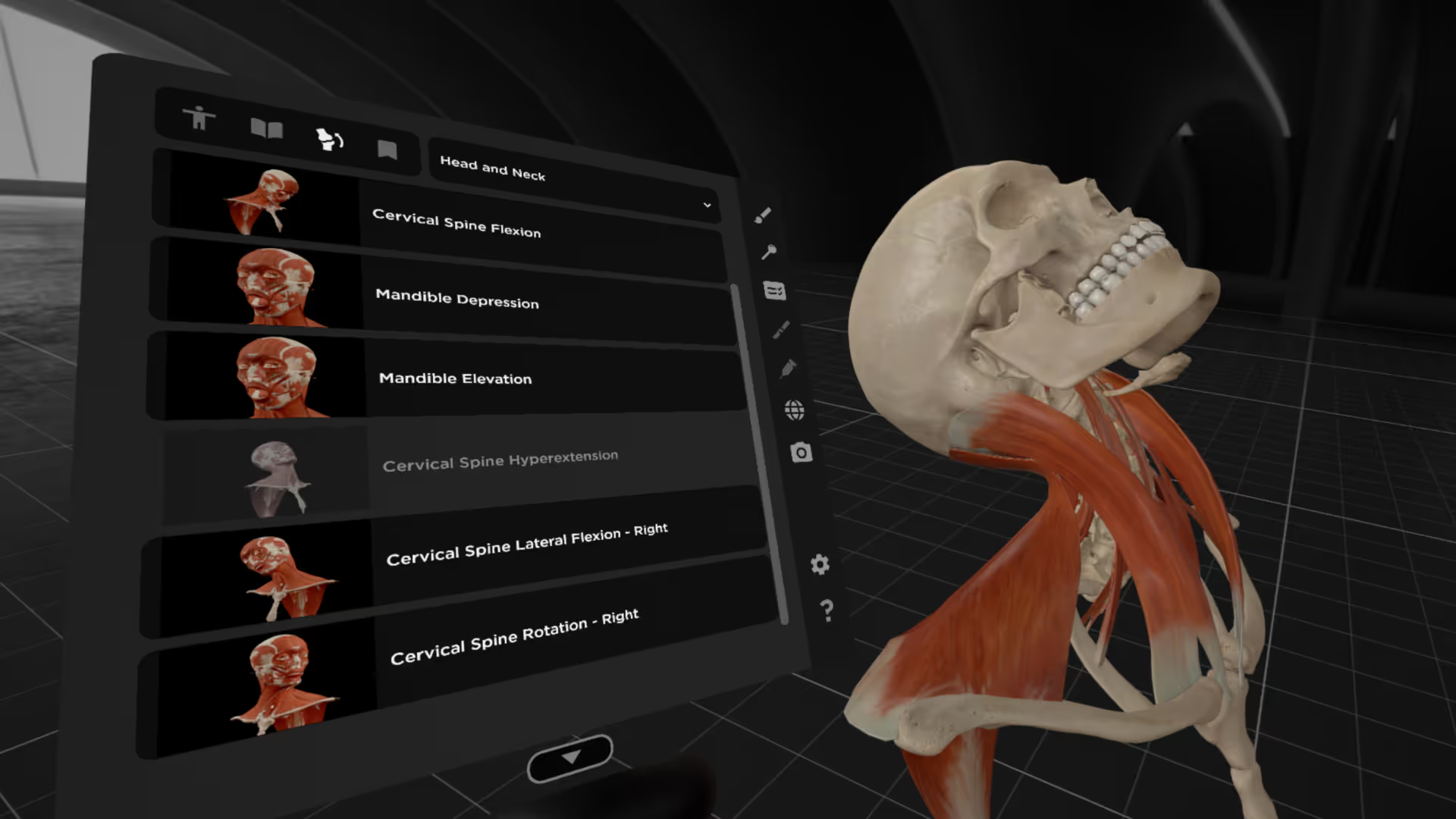
Users can peel away skin, muscle, and fascia to reveal deeper structures—similar to cadaver dissection but repeatable and reversible. Made a mistake or want to see that transition again? Simply reset and try once more. This feature is particularly helpful for understanding the layers of the abdominal wall or the compartments of the neck, where multiple structures stack on top of one another.
360-degree rotation and zoom
Learners can view anatomy from any angle and zoom into small structures like foramina (the openings in bones where nerves and vessels pass) or nerve branches. This flexibility lets students examine relationships that would require multiple cadaver positions to appreciate in a physical lab.
Structure labeling and identification
Interactive labels and quizzes help students memorize anatomical names and locations. Rather than passively reading terms, learners actively identify structures, which strengthens recall. Many platforms also offer quiz modes where labels are hidden and students test themselves.
Cross-sectional and regional views
Sagittal, coronal, and transverse planes help users understand how structures appear in medical imaging. This connection between 3D anatomy and 2D imaging proves invaluable when students begin interpreting CT scans or MRIs in their clinical rotations.
How VR improves spatial understanding of human anatomy
Spatial understanding—the ability to mentally visualize how three-dimensional structures relate to one another—sits at the heart of anatomical knowledge. It's one thing to know that the vagus nerve passes through the neck. It's another to truly grasp its path relative to the carotid artery and jugular vein.
Immersive learning for complex structures
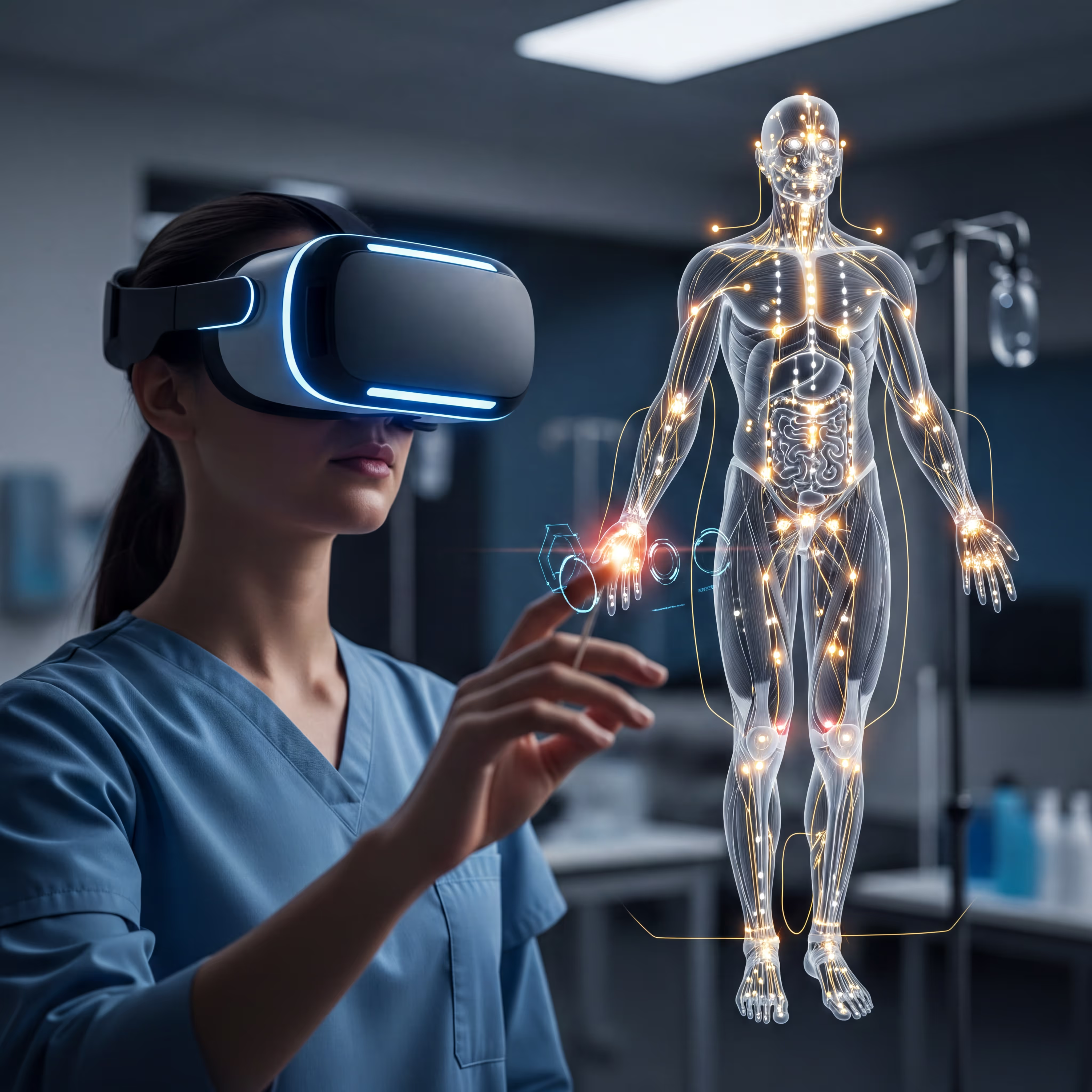
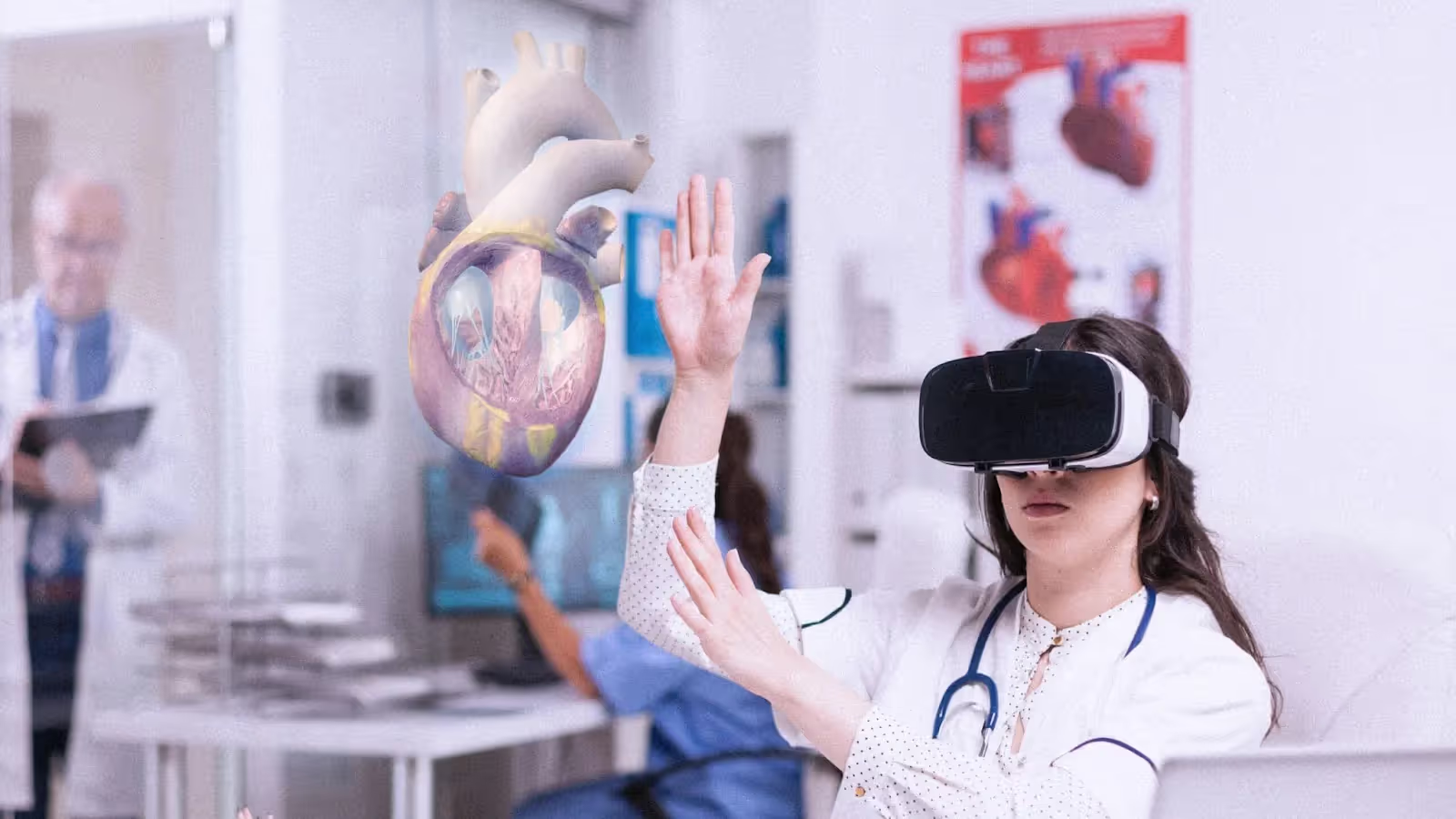
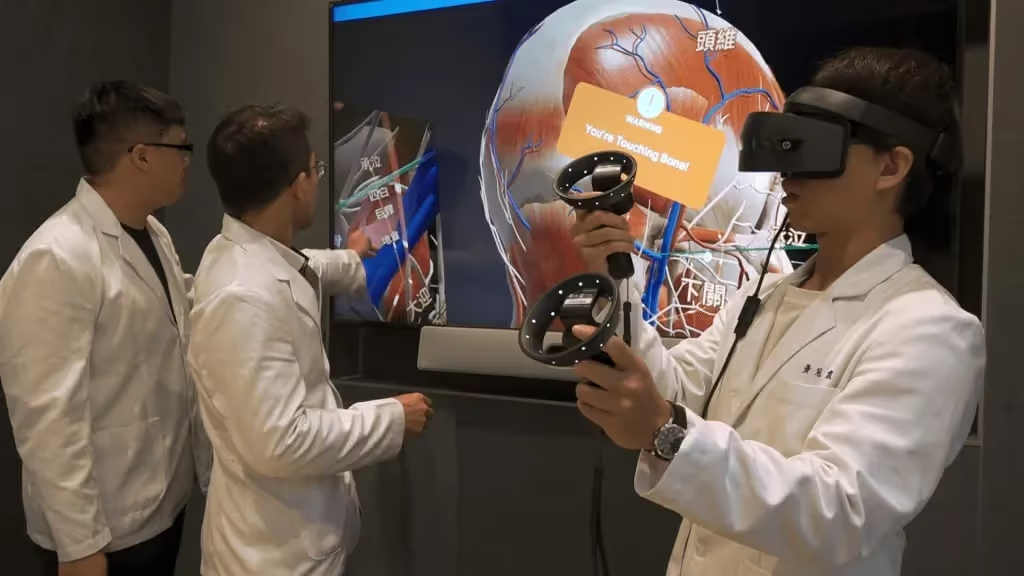
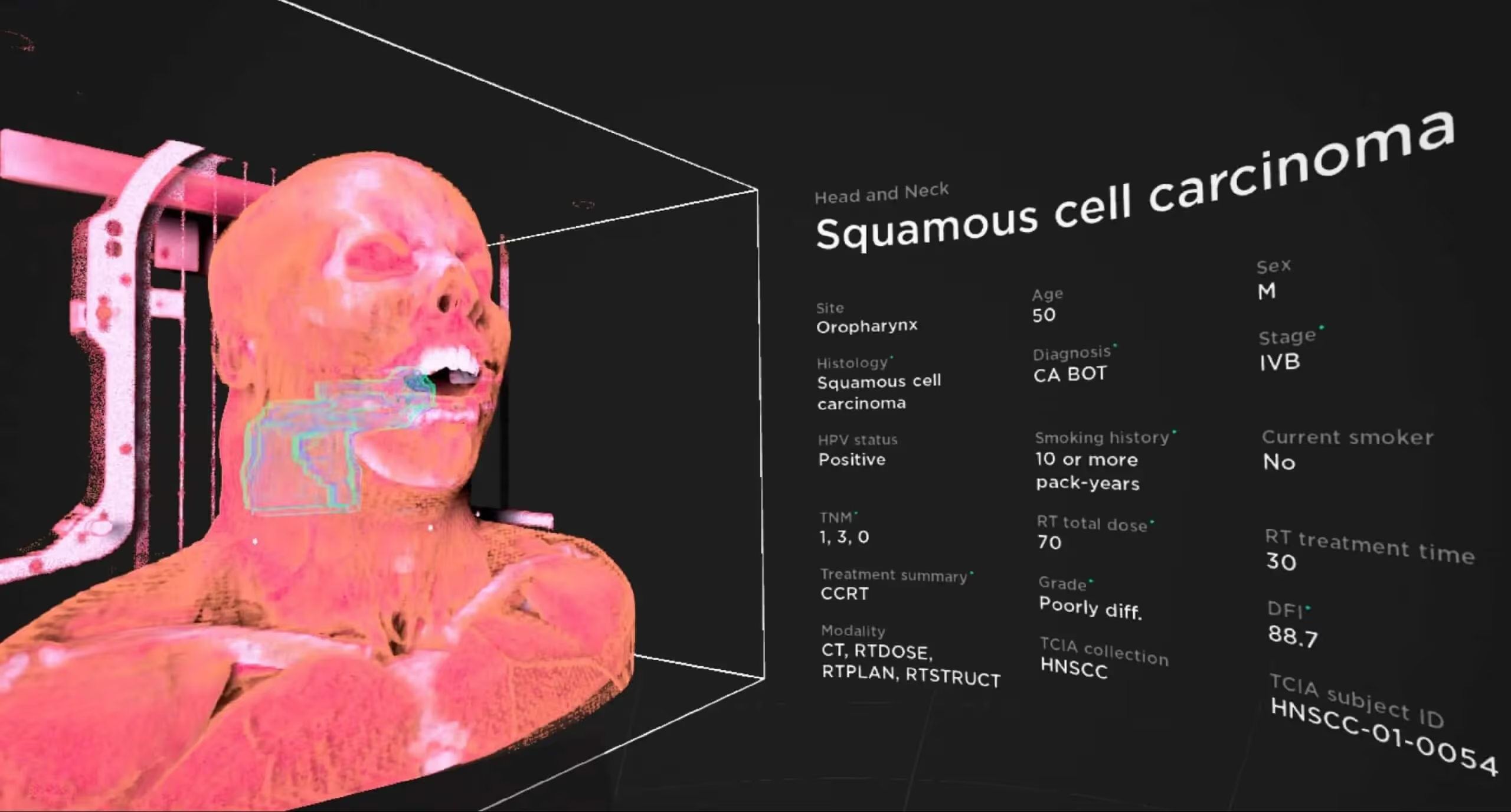
Being "inside" the anatomy helps learners grasp relationships that are difficult to convey on flat screens. With VR platforms like BodyMap, students can trace a nerve from its origin in the brainstem all the way to its peripheral distribution, seeing every structure it passes along the way.
We recently talked to Katie, a medical student from The University of Toledo, about her experience using BodyMap. "The continuity of how BodyMap can pull up different structures and trace them back when you start with something as simple as one is astounding," she shared. Katie was able to look at the supraorbital foramen on the skull, then select a nerve to track it back to the trigeminal ganglia—something that would take significant time and effort with a physical specimen.
Increased retention through active engagement
Active manipulation of virtual structures engages more cognitive pathways than passive reading. When you rotate a heart to see the coronary arteries from behind, or peel away the muscles of the forearm to find the median nerve, you're creating memories tied to movement and spatial exploration rather than just visual recognition.
Safe and repeatable practice environments
Students can explore anatomy an unlimited number of times without consumable resources. Unlike cadaver labs with limited specimens and time slots, VR allows learners to revisit challenging areas until concepts click. And mistakes carry no consequences—you can accidentally "cut" through an important structure and simply undo the action.
Applications of 3D body models in medical and acupuncture education
The practical applications of accurate 3D models extend across multiple educational contexts, from traditional medical schools to acupuncture training programs.
Medical school anatomy courses
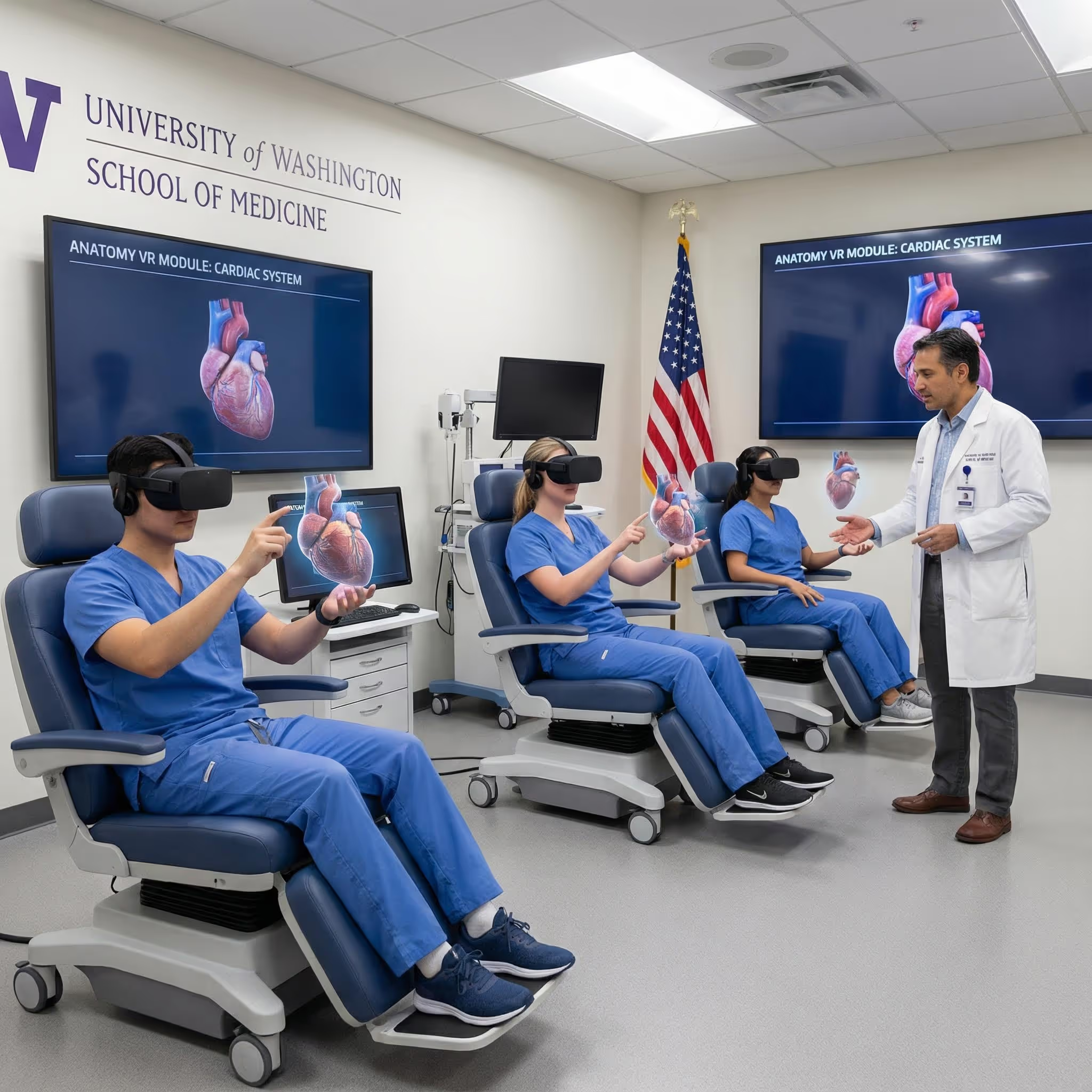
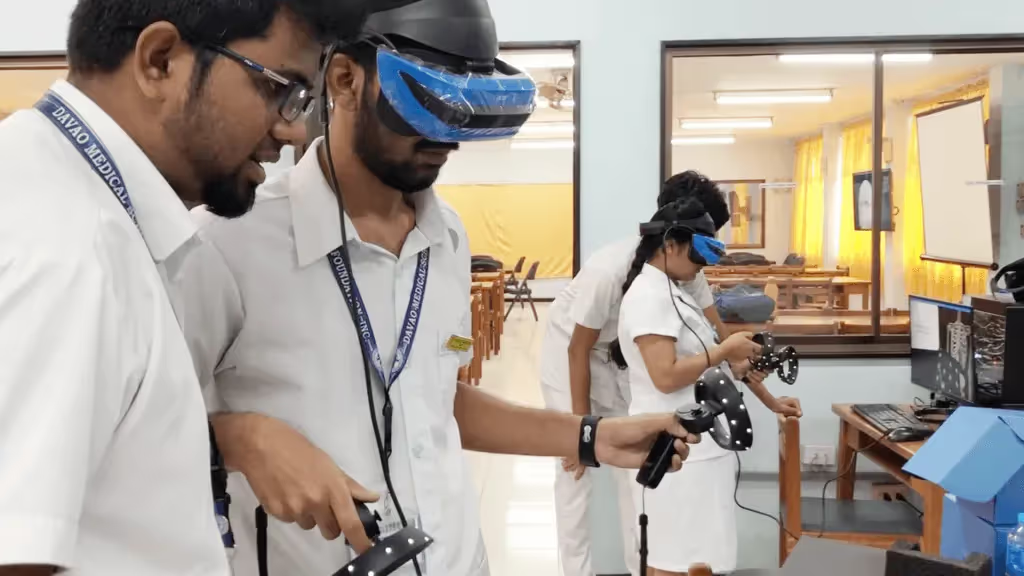
3D models supplement or reduce reliance on cadaver labs, allowing students to review structures before exams or revisit material from previous units. The repeatability factor alone makes them valuable—students can dissect the same region dozens of times if that's what it takes for the material to stick.
Acupuncture point and meridian visualization
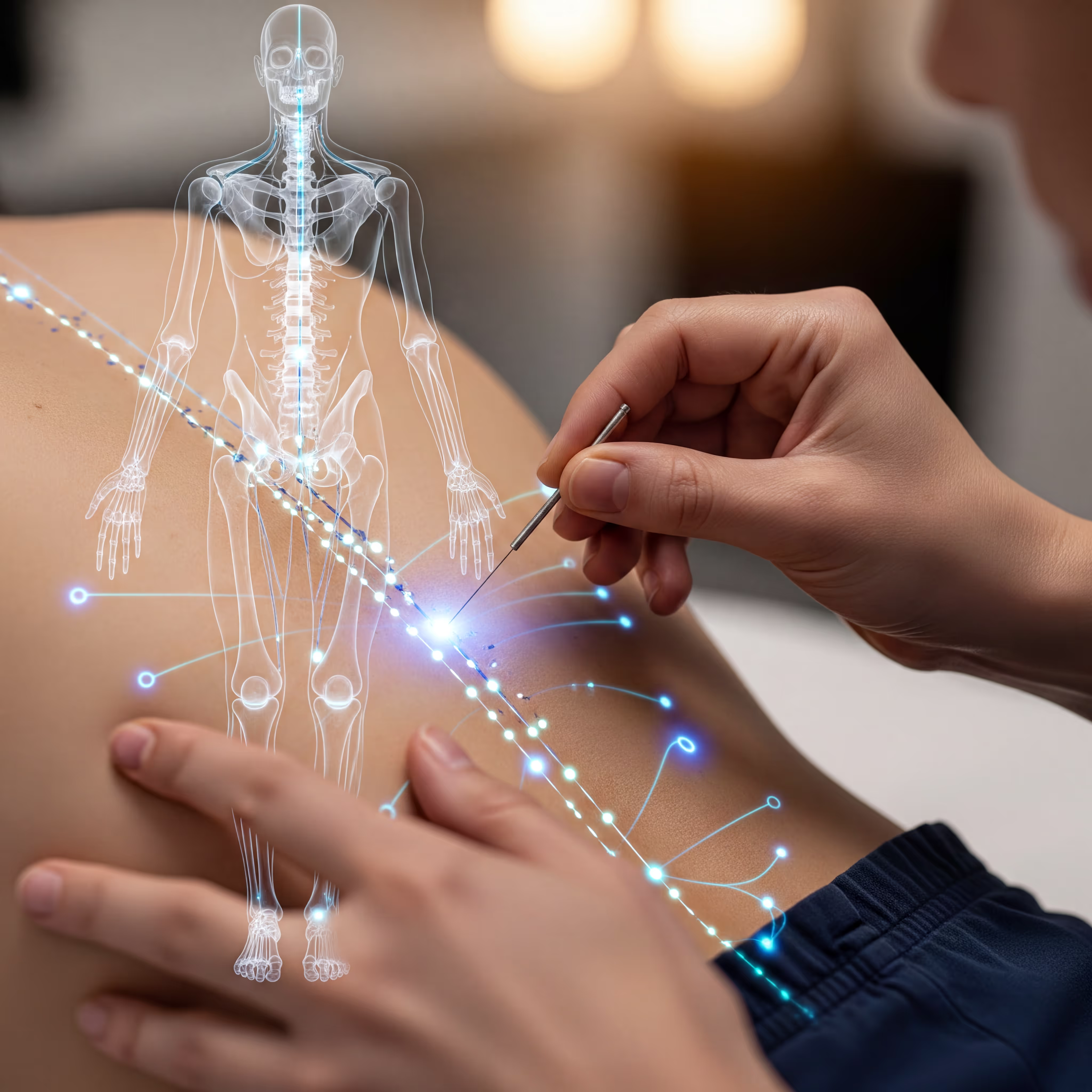
For acupuncture practitioners, seeing point locations relative to underlying muscles, nerves, and vessels is critical for accurate needle placement. MAI's AcuMap platform specifically addresses this, showing traditional points in their anatomical context so practitioners understand not just where to place a needle, but what lies beneath.
Clinical skills and procedural training
Students can rehearse identifying anatomical landmarks used in injections, catheterizations, or surgical approaches before ever touching a patient. This preparation builds familiarity with the territory, so when students do perform procedures on real patients, they're not seeing the anatomy for the first time.
How to choose an accurate 3D anatomy platform
Not all 3D anatomy platforms offer the same level of detail or educational value. Here's what to look for when evaluating options.
Anatomical detail and verified accuracy
Look for platforms that cite anatomical sources and include fine structures, not just major organs. If a platform can't show you the small branches of the brachial plexus or the layers of the abdominal wall, it may not serve advanced learning.
VR and mixed reality compatibility
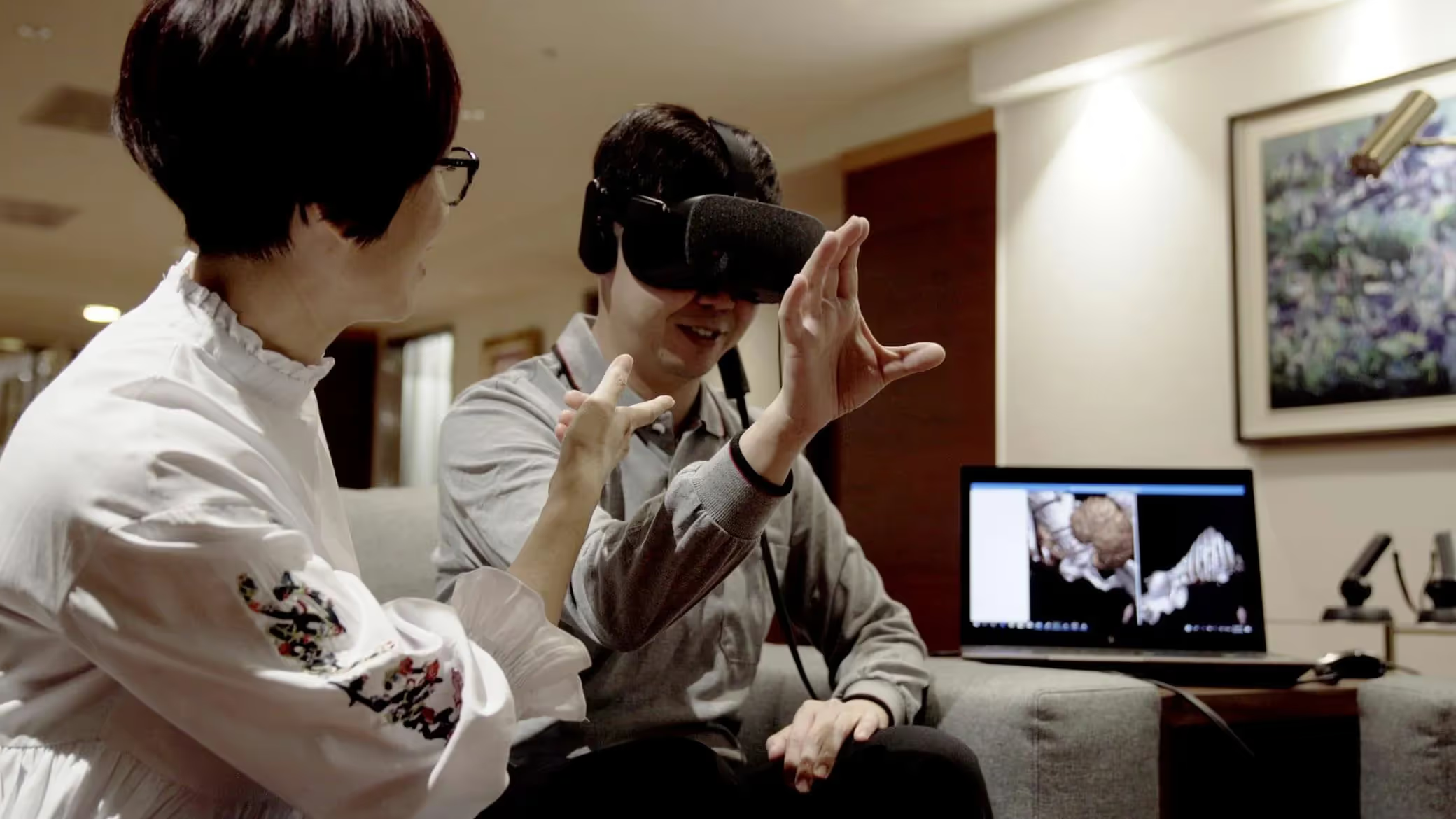
Check device support—platforms compatible with Meta Quest or HTC Vive devices offer deeper spatial learning benefits than desktop-only applications. While desktop 3D viewers are useful, they can't match the immersive experience of true VR where you can walk around structures and view them at life size.
Evidence-based learning outcomes
Prefer platforms with published research or institutional partnerships demonstrating educational effectiveness. MAI, for instance, works with medical school research partners who have documented improved student confidence and preference for VR-based anatomy learning.
Interactivity and user control
The platform allows learners to manipulate, isolate, and quiz themselves—not just passively view rotating models. The ability to hide structures, take cross-sections, and test your knowledge transforms a reference tool into a learning environment.
Start learning anatomy with immersive 3D technology
Accurate, interactive 3D models in VR represent a significant step forward for anatomy education. They offer what textbooks and even cadaver labs struggle to provide: unlimited, repeatable access to spatially accurate human anatomy that students can explore from any angle, at any pace.
Whether you're a medical student preparing for boards, an instructor looking to modernize your curriculum, or an acupuncture practitioner wanting to deepen your anatomical knowledge, immersive 3D technology offers a way to see the human body that wasn't possible a generation ago.
Start a free trial of the BodyMap anatomy platform
FAQs about accurate 3D body models for medical training
Can accurate 3D body models replace cadaver dissection in medical school?
3D body models can supplement cadaver labs and reduce dependence on physical specimens, but most programs currently use them as a complement rather than a full replacement. They offer unlimited, repeatable practice that cadavers cannot provide, while cadavers offer tactile feedback and tissue variability that digital models don't yet replicate.
Are 3D anatomy models effective for board exam preparation?
Yes, interactive 3D models help students visualize spatial relationships frequently tested on anatomy boards. The active engagement with structures—rotating, isolating, and identifying—supports the kind of long-term retention that serves students well on high-stakes exams.
What VR headsets are compatible with anatomy learning platforms?
Many platforms support popular headsets like Meta Quest and HTC Vive devices. Always check each platform's specifications to confirm compatibility with your hardware before purchasing or subscribing.
How do accurate 3D body models support different learning styles?
Visual and kinesthetic learners benefit from manipulating 3D structures directly, while auditory learners can pair exploration with narrated guides or instructor explanations. The interactive format accommodates multiple approaches to studying anatomy, making it more flexible than traditional methods.
Begin your VR anatomy journey today, sign up for a 7-day free trial.
Curriculum Integration Guides
Learn how to navigate the 3D model and utilize the tools to master human anatomy—all in one place.
.jpeg)
.avif)

.avif)
.avif)




The Benefits of Acupuncture for Pain Relief

The Importance of Regular Exercise for Mental Health
The Benefits of Meditation for Stress Reduction
The Importance of a Balanced Diet for Overall Health
The Benefits of Yoga for Mind and Body
The Benefits of Meditation for Stress Reduction